
The Åkian Revival and Its Persecution
The EmigrantsThis flow traces Danjel Andreasson’s religious awakening, communal practice, confrontation with church and state, and decision to leave Sweden.
increasing Bearing strength in each event
 decreasing
Bearing strength in each eventdecreasingThe Old Wound of Åkianism
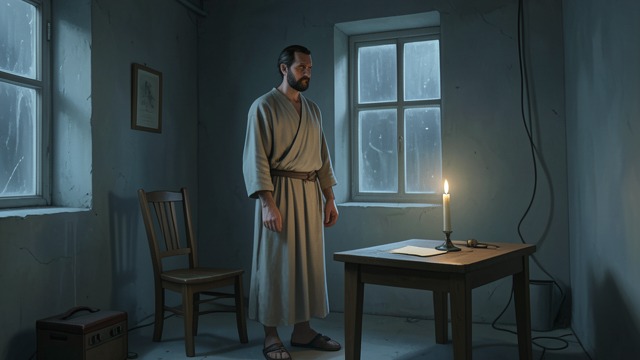
The Old Wound of Åkianism
A communal faith
Åke Svensson’s followers reject property distinctions and the authority of the established church. Their shared life is treated by officials as both religious error and civic danger.
Punishment remembered
Leaders are sent to Danvik asylum, where some die. The fate of the earlier movement leaves a warning hanging over any later dissent.
Danjel’s Vision
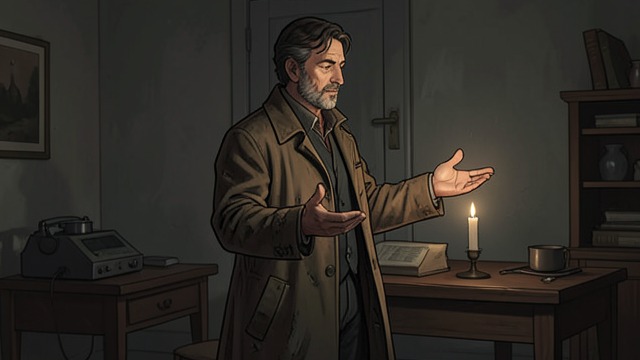
Danjel’s Vision
A private revelation
Danjel Andreasson believes Jesus Christ and his dead uncle have called him to resume the Åkian mission. His quiet life changes into a public religious vocation.
Faith made visible
He stops producing alcohol, opens his home to outcasts, and shares possessions. His household becomes a living challenge to the parish’s established order.
A House Open to Outcasts
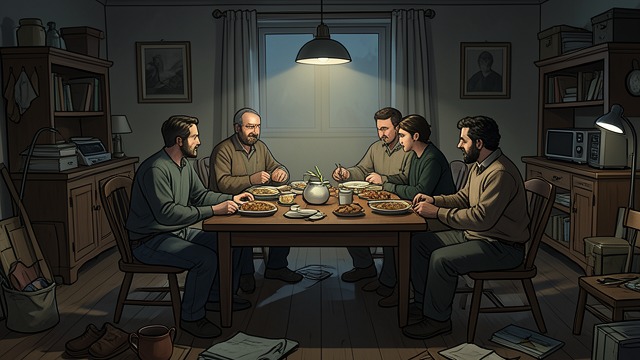
A House Open to Outcasts
Community through care
Danjel Andreasson welcomes poor and stigmatized people, including Ulrika of Västergöhl and her daughter. His religious belief takes practical form in shelter, food, and shared life.
Household strain
Inga-Lena supports her husband but worries about resources and social consequences. Their home becomes a refuge and a source of conflict within the marriage.
The Illegal Communion
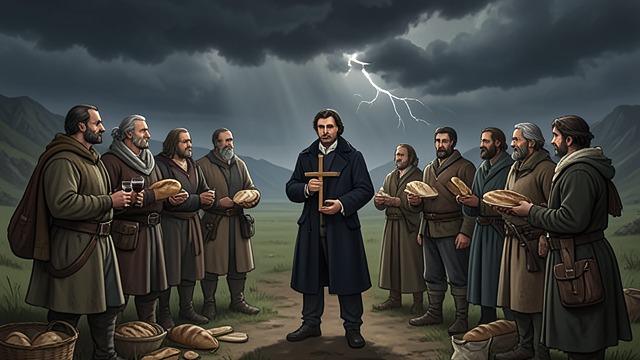
The Illegal Communion
Worship under pressure
Danjel Andreasson administers Communion to his followers at Kärragärde. Church and civil authorities arrive and treat the gathering as a violation of law.
Public confrontation
The meeting exposes the division between spiritual conviction and official control. Some attendees retreat, while Danjel’s closest followers remain committed.
Exile Avoided by Departure

Exile Avoided by Departure
Pressure intensifies
Danjel Andreasson faces repeated fines and the prospect of exile for continuing his meetings. He interprets departure as a divinely opened route.
A new destination
He joins the emigrants with his household and remaining followers. The voyage offers freedom to worship, though his certainty about the new land will soon be tested.
The late eighteenth century and the account of 1786
Autumn 1848, at Kärragärde
Late 1848, after Danjel’s conversion
Winter 1849, during the nighttime gathering
Spring 1850, before the next court sentence
