Ben Alexander
The ExceptionBen Alexander, whom Cane Alexander calls Grandpa Ben, is Cane’s grandfather and a formative figure in his memories of growing up. Though the novel presents him chiefly through Cane’s recollections, Ben’s care, their shared time in the desert, and his family’s language of strength give Cane’s history a personal inheritance beyond business and property.
Identity and Family Background
Ben is Cane’s grandfather. Cane recalls that his own father was often occupied with building an independent business, while his mother disapproved of how much he worked and believed he should accept a modest job from Ben. Cane confirms that this disagreement was connected to his mother’s departure. The recollection places Ben within a family shaped by competing ideas of work, ambition, and responsibility, without suggesting that he caused the separation.
Ben owned extensive land in the area when Cane was young. Over the years he sold much of it, but one remaining tract passed into Cane’s ownership. The desert Cane later visits with Jada is therefore both a piece of family property and ground attached to his childhood with Ben.
Cane’s Childhood with Ben
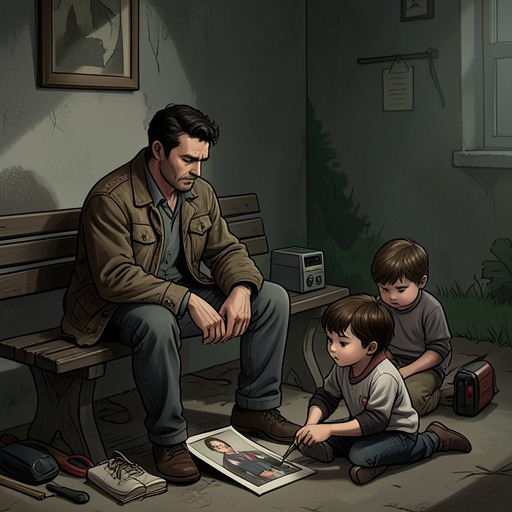
When Cane’s father was working, Ben took responsibility for spending time with his grandson. Cane remembers their hikes across the desert: he searched for gold, snakes, and interesting rocks while Ben walked nearby. Cane says he came to know the terrain through repeated visits, having walked across much of it over the years. These memories present Ben’s care less as formal instruction than as steady companionship in a landscape Cane came to know intimately.
One rock ledge also connects Cane’s childhood memories to his friendship with Max, whom Cane suggests could explain the story behind it. The anecdote is left unexplained, but it places Max within the remembered world of Cane and Ben rather than making the desert solely a private family setting.
Family Saying and Legacy
Ben passed down a family maxim based on the Alexander name. He told Cane that the name meant strength in Greek and taught him to meet difficult circumstances by becoming stronger and adding to the family’s strength. Cane remembers the saying with affection and amusement, but its practical message is clear: hardship is a prompt to endure and improve, not simply a reason to give up.
That inheritance gives the desert scenes a meaning beyond their setting. Cane’s surviving claim to the land links him materially to his grandfather, while his stories preserve Ben’s influence in words and habits of interpretation. Ben’s place in the narrative is consequently both intimate and indirect: he is remembered through Cane’s childhood experiences and through the family idea of strength that Cane carries forward.