
Max Cady's Arc
The ExecutionersThe full trajectory of Max Cady from convicted rapist to released predator to a corpse on the hillside.
increasing Bearing strength in each event
 decreasing
Bearing strength in each eventdecreasingArmy Conviction
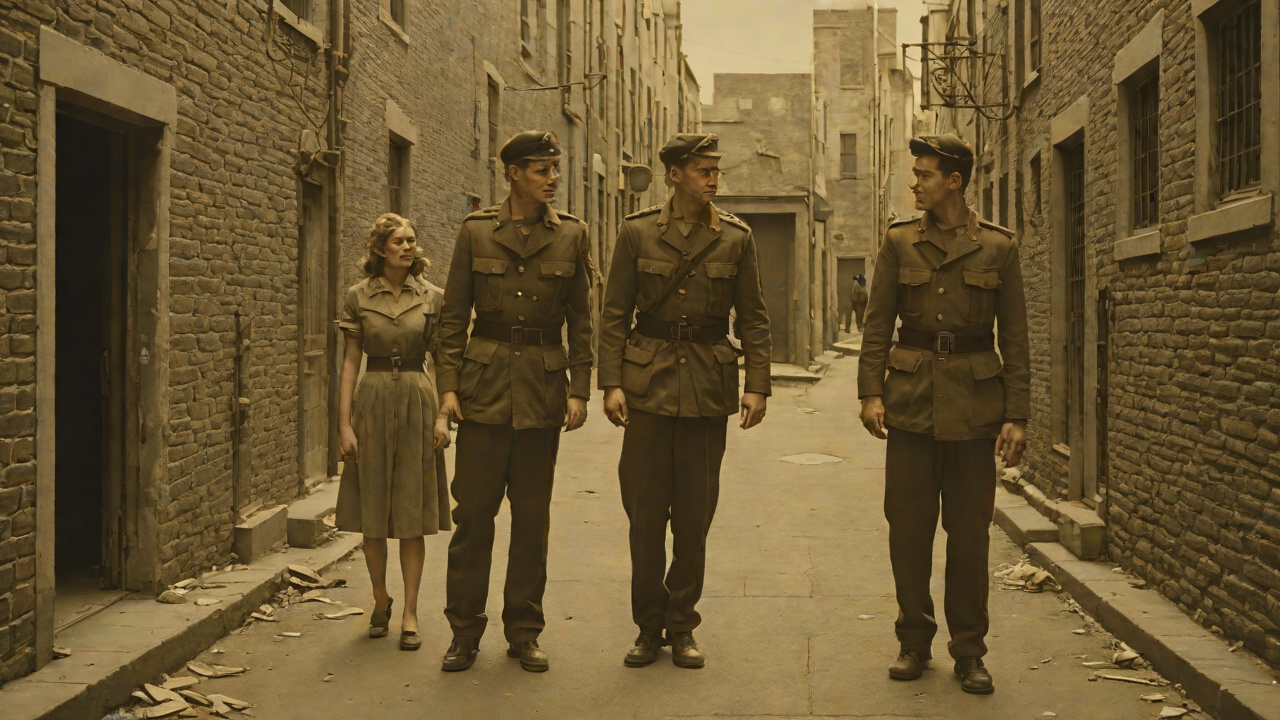
Army Conviction
Context
In 1943, Sam Bowden interrupts Cady raping a fourteen-year-old girl in a Melbourne alley. Cady is court-martialed and sentenced to life at hard labor.
Significance
The conviction becomes the defining grievance of Cady's life. He refuses to see the rape as a crime and instead sees a meddling lieutenant who stole his future.
Aftermath
Thirteen years later, after his sentence is reviewed and cut, Cady is released with a fixed idea: Bowden owes him a life.
Thirteen Years in Prison
Thirteen Years in Prison
Context
Cady serves years of hard labor, loses his wife to a divorce, and receives word that his only child has died under a delivery truck. Prison hardens his obsession.
Significance
While Bowden builds a career, family, and home, Cady builds a fantasy of repayment. The asymmetry between their lives becomes the engine of the story.
Aftermath
Cady returns to Charleston, finds his ex-wife, and tests his methods on her. The plan for the Bowdens is already taking shape.
The Word to Lieutenant
The Word to Lieutenant
Context
Cady appears at Sam Bowden's office, follows him to the parking lot, and delivers a grinning lecture about the word and the picture. He hands back the car key and leaves.
Significance
Cady is no longer a memory; he is a physical presence. The encounter is his declaration of war, wrapped in an almost courtly malice.
Aftermath
Sam tells Carol, and the family's panic begins. Cady has done nothing illegal except frighten a lawyer, which the law cannot punish.
Campaign of Terror
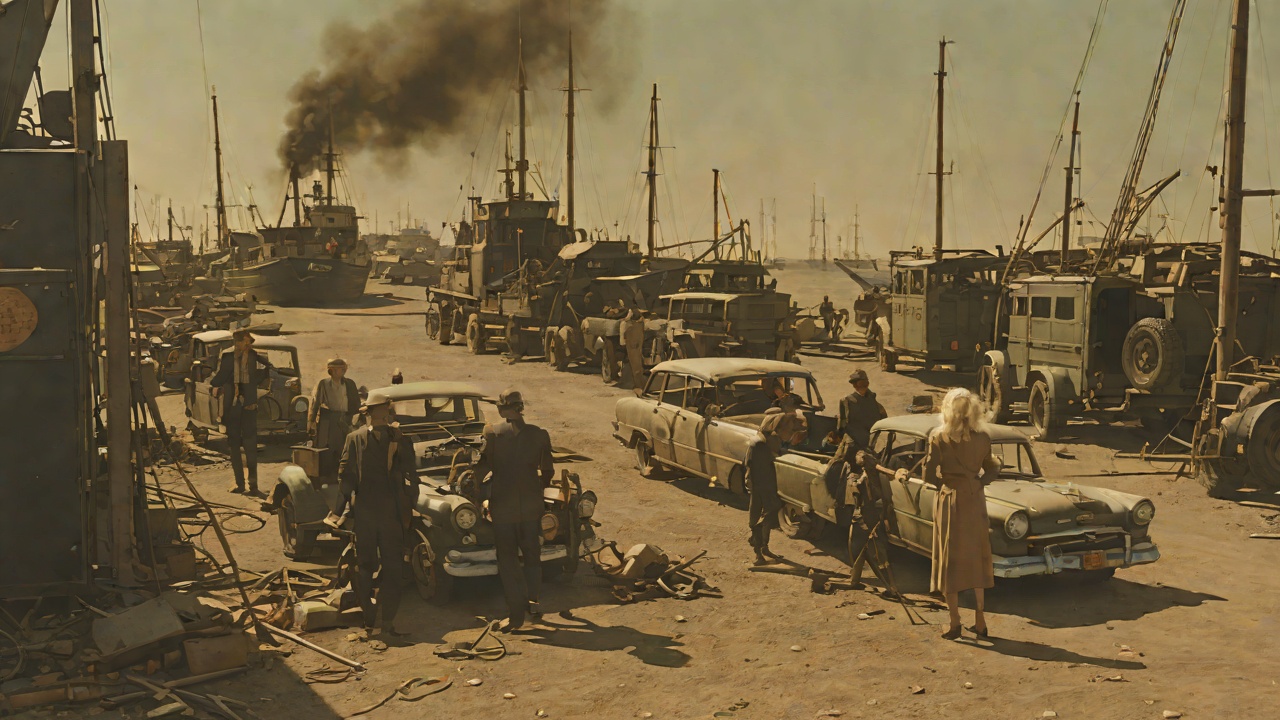
Campaign of Terror
Context
Cady poisons Marilyn, appears at the boat yard, shoots at Jamie, loosens the station wagon's wheel lugs, and finally enters the house by night. Each act is calibrated to hurt the Bowdens in a different way.
Significance
The campaign shows Cady's tactical range: poison, harassment, sniping, sabotage, and direct assault. He is not a simple brute; he is an artist of fear.
Aftermath
The final assault costs Kersek his life and Cady his own. The campaign ends not with a triumph but with a corpse carried down through the wet grass.
Death on the Hill
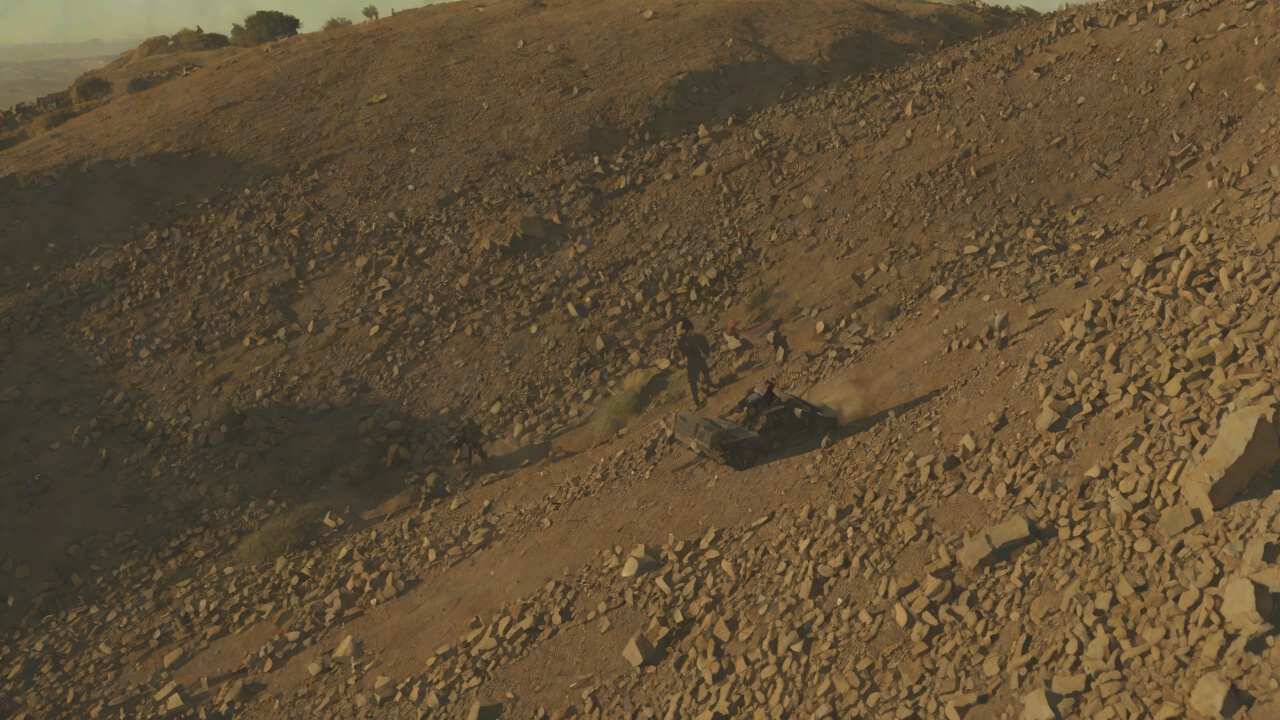
Death on the Hill
Context
After the attack, Cady runs uphill, bleeding from a torn artery. He climbs several hundred feet, collapses near his hidden car, and is found dead at first light.
Significance
Cady's death is anticlimactic: he dies in the brush, not in a grand confrontation. The hunter becomes quarry, and the body is carried down the same path the Bowdens use for target practice.
Aftermath
Sam stares at the body and feels no remorse. Cady's long hatred finally meets its physical end, and the family is left to live with the fact that they have survived by killing.
1943 in Melbourne
from 1943 to the September release
Thursday in New Essex
from the poisoned dog in June to the night attack in August
August 7 dawn
