
Law and Order under Pressure
The ExecutionersThe novel's central intellectual theme: whether the law can protect a family from a cunning predator, and what happens when it cannot.
increasing Bearing strength in each event
 decreasing
Bearing strength in each eventdecreasingSam's Legal Philosophy
Sam's Legal Philosophy
Context
Sam tells Carol he believes in the law as a creaking but ethical structure based on the inviolability of every citizen's freedom. If the law cannot protect them, he is dedicated to a myth.
Significance
The speech is the novel's thesis statement. Sam's faith gives the story its moral stakes and makes his later compromises genuinely tragic.
Aftermath
He tests the law through Charlie Hopper and Captain Dutton. Each test chips away at the myth.
Bill Stetch's Cynical Lesson
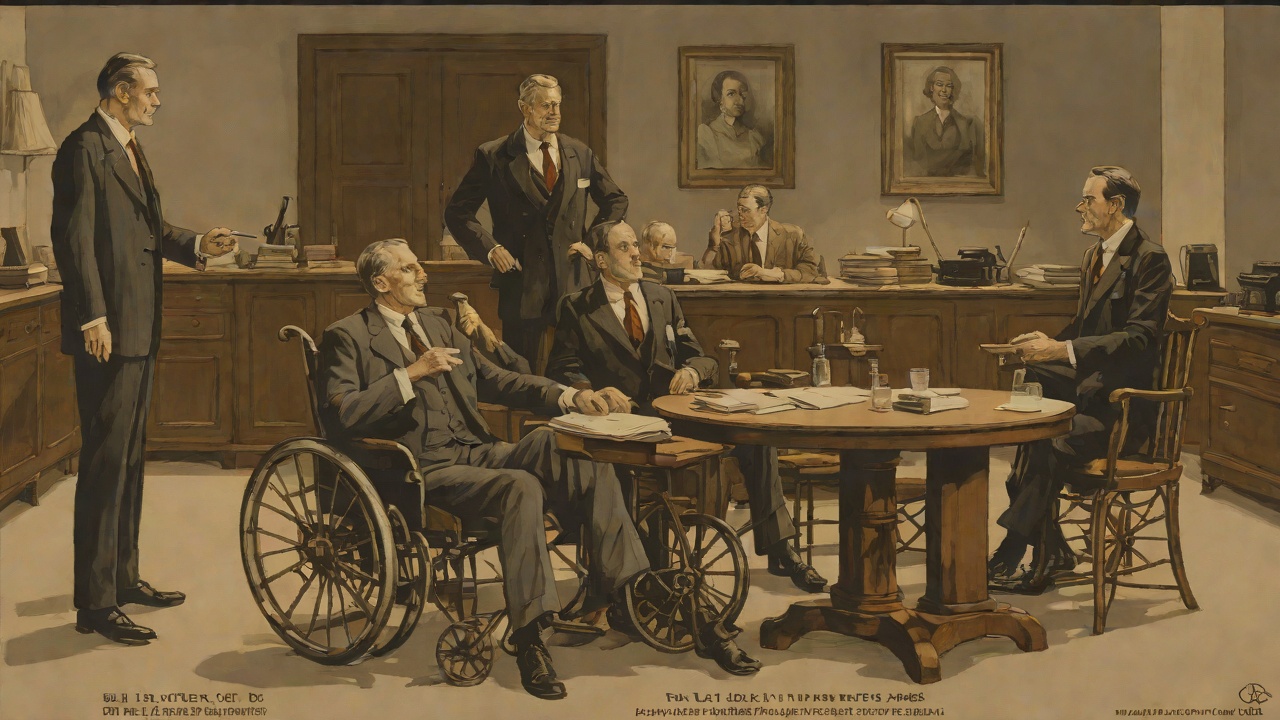
Bill Stetch's Cynical Lesson
Context
Bill Stetch tells Sam that the law firm has always needed a balance wheel with starry eyes, while he and Mike Dorrity handle the loophole division. He urges Sam not to be too appalled at asking for an extralegal favor.
Significance
Stetch's speech reveals the gap between the law's public image and its daily practice. Sam's idealism is exposed as a useful professional pose rather than a universal truth.
Aftermath
Sam returns to his office feeling contempt for himself. The lecture pushes him toward Sievers and the underground economy of violence.
Captain Dutton's Priorities
Captain Dutton's Priorities
Context
Dutton explains how New Essex keeps organized crime out by harassing unwanted outsiders, but refuses to use the same tactics on Cady. He cites manpower, taxes, and precedent.
Significance
The contrast shows that the law is not a machine of justice but a managed system of risk. The Bowdens fall outside the system's calculation.
Aftermath
Sam realizes he is not a resident of the city and therefore has no political claim on its police. The legal avenue is closed.
The Trap as Supplement
The Trap as Supplement
Context
Sam tells Carol that the trap is a supplement to the law, a rationalization he cannot fully accept. Two thousand years ago the village would have stoned the predator; now he must do it himself.
Significance
The moment makes explicit the novel's question: when the law fails, is a citizen entitled to prehistoric justice? Sam believes he is, but the belief tastes like rot.
Aftermath
He goes ahead with the plan, then tries to return to Dutton at the last moment. The final attempt to restore legal authority does not save him.
The Law's Last Word
The Law's Last Word
Context
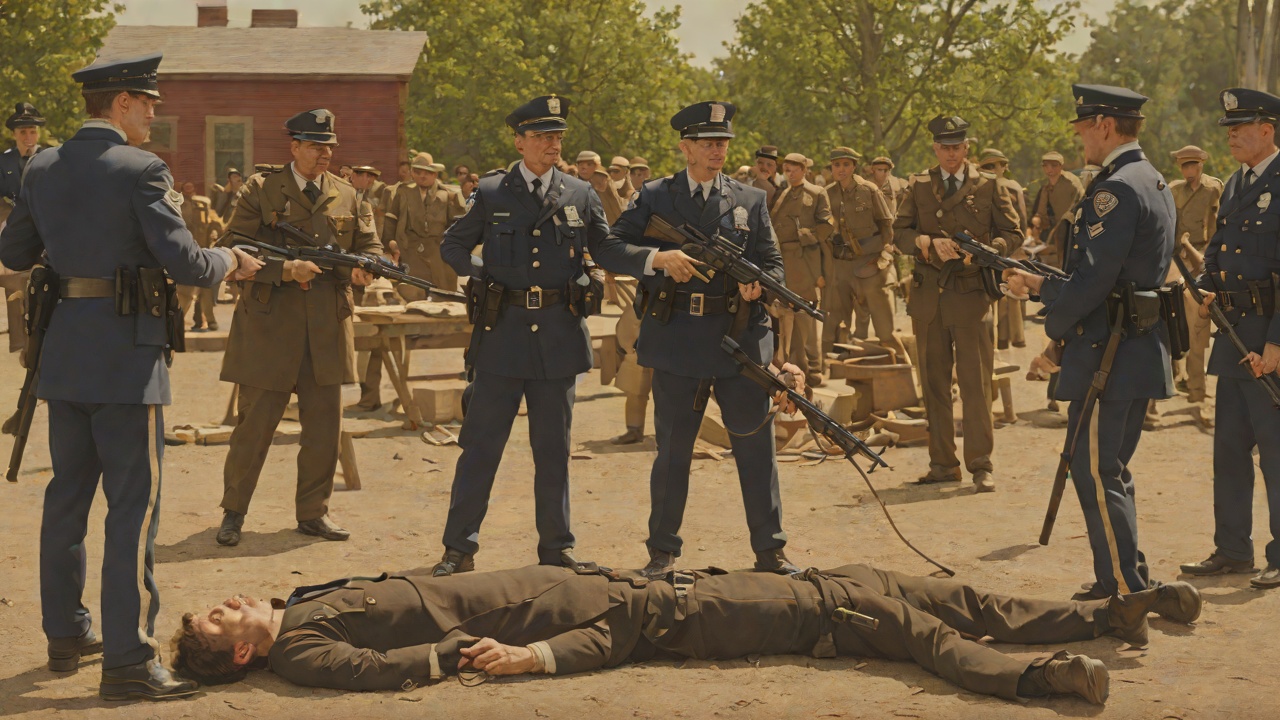
State Police and local officers take charge of Cady's body, collect the rifle, and prepare the red tape for Sam's signature. A reporter announces that Bowden did it.
Significance
The legal system closes the case not with a trial but with paperwork. Sam has killed outside the law, and the law will simply record the fact.
Aftermath
Sam is left with his exultation and his questions. The labor of living with the answer becomes the novel's final theme.
Saturday picnic at the island
Monday after Dutton's refusal
same week at the police headquarters
August 5 rowboat
after Cady's body is brought down
