Cady's scoped rifle
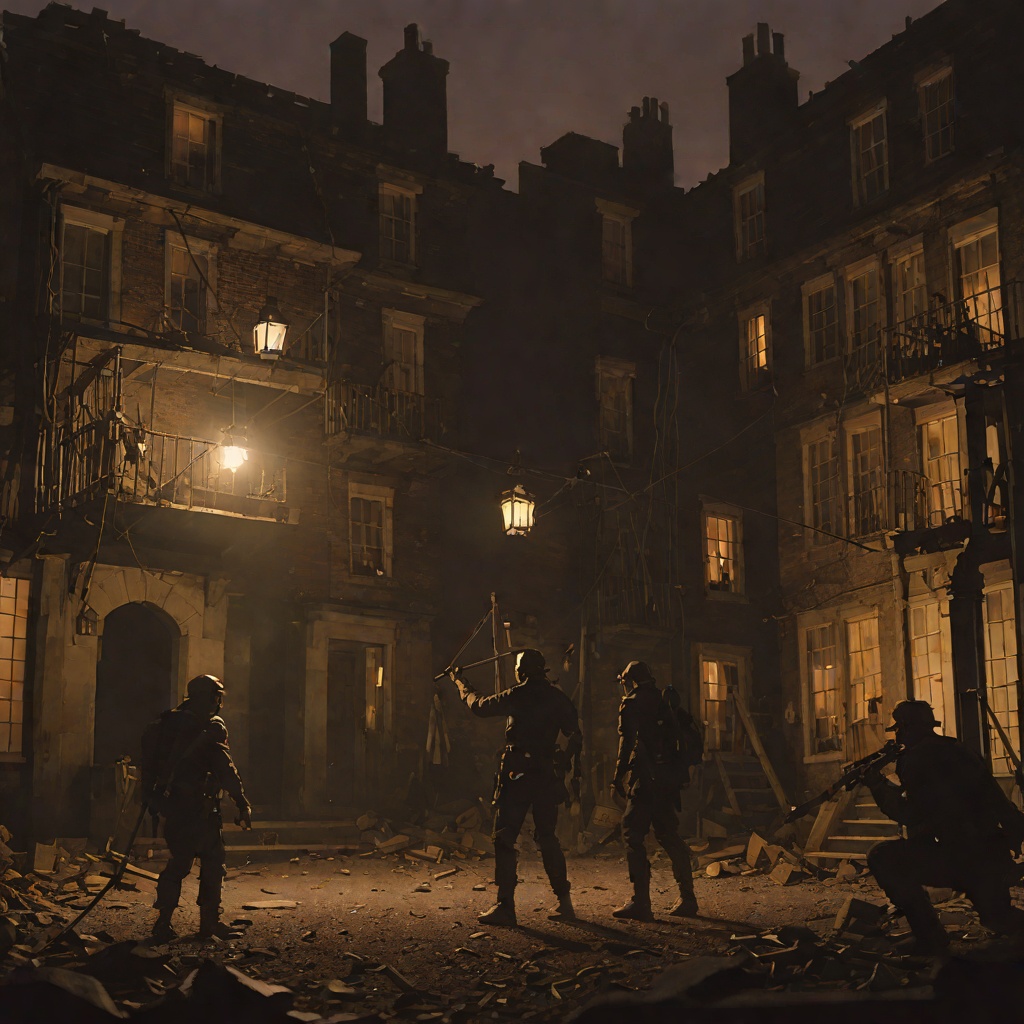
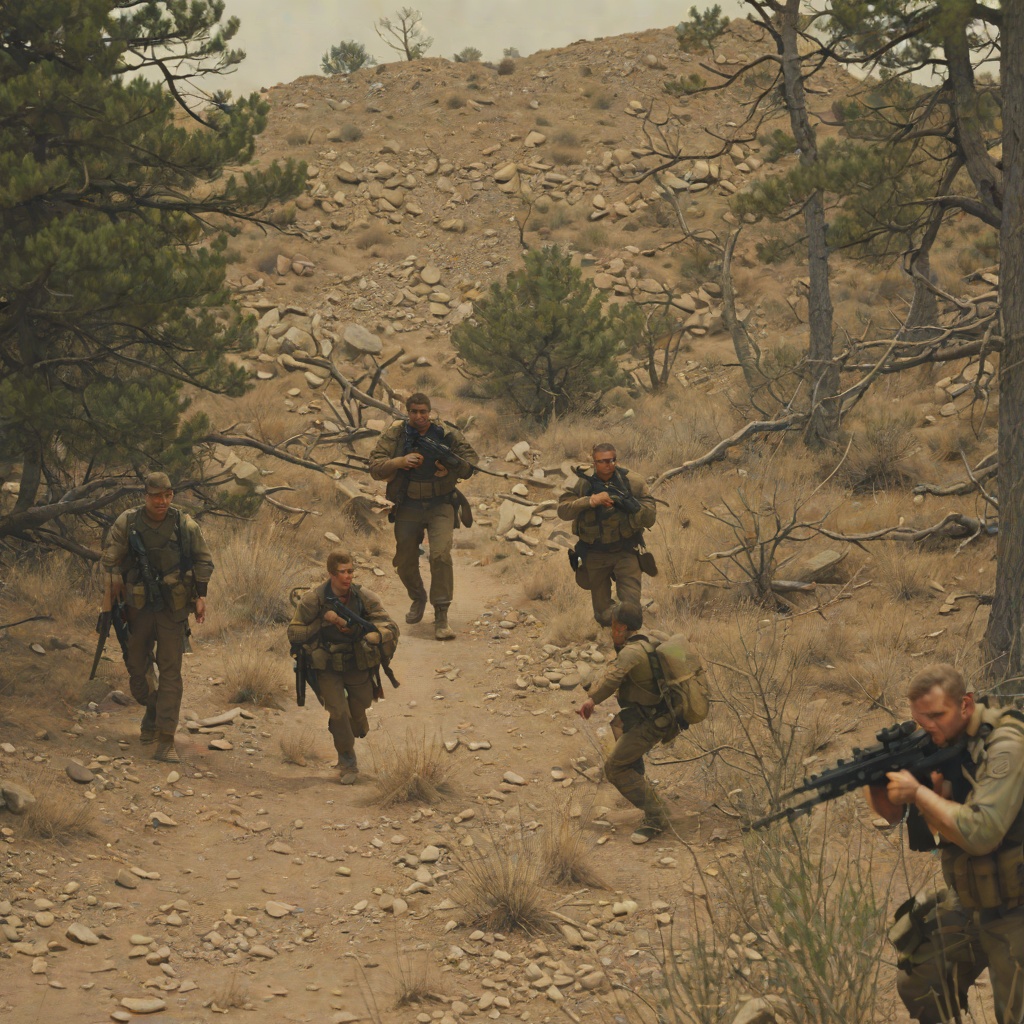
The ExecutionersCady's scoped rifle is the instrument of attempted murder that drives the novel's climax. It is the weapon with which Max Cady tries to kill Jamie Bowden from a distance of about seven hundred yards, and its ballistic evidence — a badly deformed thirty-caliber slug — becomes the proof that transforms a suspected feud into a confirmed campaign of homicide. The rifle is also the object found hidden in Cady's car after his death, a silent witness to the precision and malice of his plan.
The Weapon and the Shot
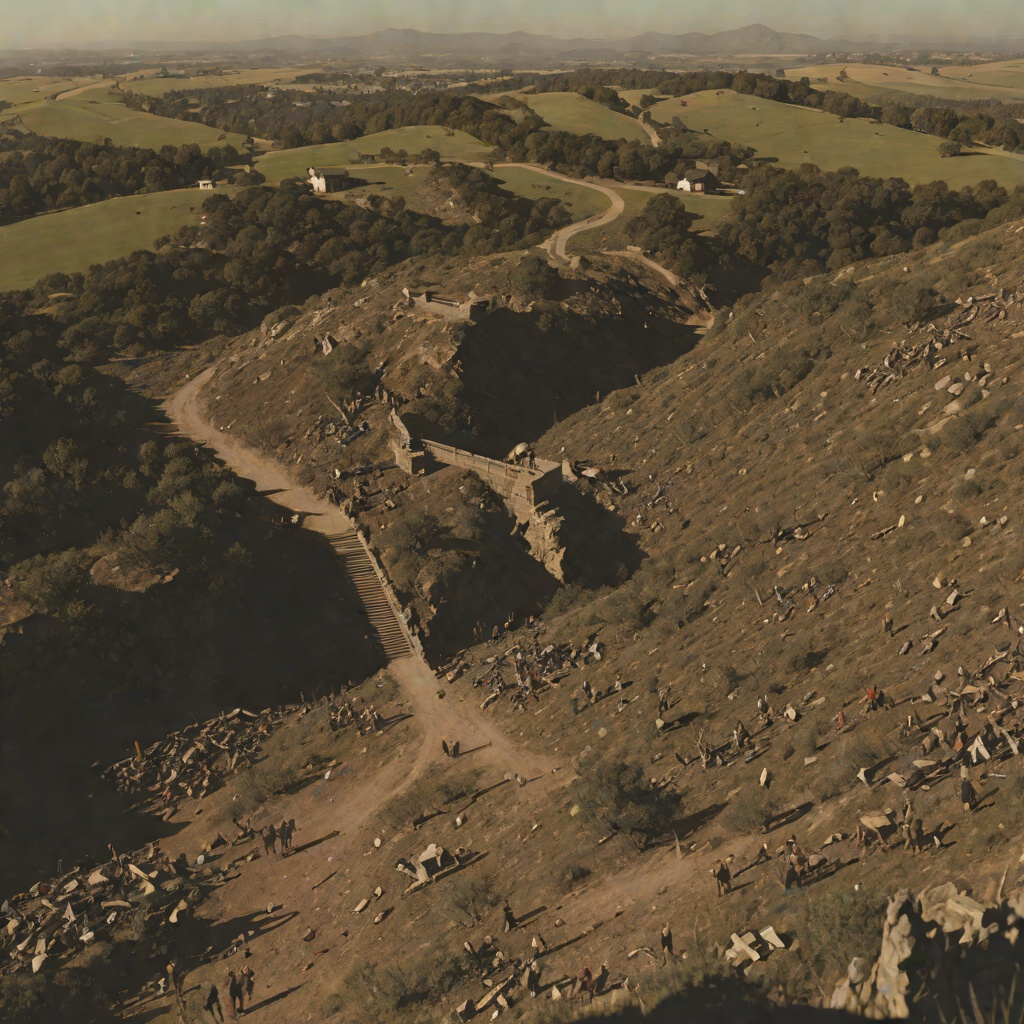
The rifle is first understood through the forensic reconstruction offered by Sheriff Kantz and his deputy. The shot was fired from a range of approximately seven hundred yards, downhill, from a position on a knoll the children call Shady Hill. A good rifle, a good scope, and a knowledgeable man could make such a shot without great difficulty; the sheriff himself estimated he could place nearly every shot in a circle about half again as big as a pie plate. The boy's arm was close to his side, the wind was gusty from the south, and the boy was facing east. One of those gusts drifted the slug a few inches. The sheriff was explicit: nobody was trying to scare the boy. They made a pretty good try at killing him. If the slug had landed two and a half inches further to the right, the boy would have been dead before he could fall all the way down.
The shot missed its lethal mark but struck the shack behind Jamie, putting two holes in the three-quarter-inch board. Those holes gave the investigators a line of sight, and because the slug dropped after passing through the board, they could trace the trajectory back up the side of the knoll. The sheriff left a deputy named Ronnie Gideon, a good woodsman who could read track, to find the exact spot where the man with the gun had taken aim. The rifle's failure — the gust of wind, the few inches — is what turned a perfect assassination into evidence.
The Ballistic Evidence
The deformed slug became the physical proof of intent. Sheriff Kantz tossed the small object into the air and caught it as he spoke. It was badly deformed, thirty-caliber, and Mr. Menard had put a slew of kids to looking for it until they found it. The sheriff assured Sam Bowden that the shooting was intentional, a finding Sam found very hard to accept. The slug, recovered from the shack, was the concrete object that made the abstract threat of Cady into a documented crime. It was the evidence that the law could no longer dismiss as coincidence or stray gunfire.
The Rifle in the Aftermath
After Cady's death, the rifle was found in his car, hidden off a dirt road and covered with brush. The car also contained food and liquor, provisions for a sustained campaign. One of the deputies took the car in. The rifle's presence in the hidden vehicle confirmed the premeditation of the attack: Cady had not acted on impulse but had prepared a concealed position and a getaway. The scope rifle, alongside the food and liquor, painted a picture of a man who intended to kill and then vanish.
The Weapon's Role in the Final Confrontation
The rifle's legacy extends beyond its own firing. The attempt on Jamie's life is what finally moves the authorities to act, and it is the reason Sam Bowden finds himself in the barn with a gun on the night of the final attack. The rifle is the object that turns Cady from a legal nuisance into a hunted killer. When Cady is carried down the hill, dead from a torn artery in his right arm, the rifle in his car is the final piece of the puzzle — the instrument of his intended crime, recovered too late to save him but in time to explain everything. Sam Bowden, who had wanted to throw his head back and yell at the sky, who had wanted to dance around the body and chant of the defeat of the enemy, could only say "Thanks" as the body was picked up. The rifle, hidden and then found, is the silent object around which the novel's violence and its resolution both turn.