Gannatalla
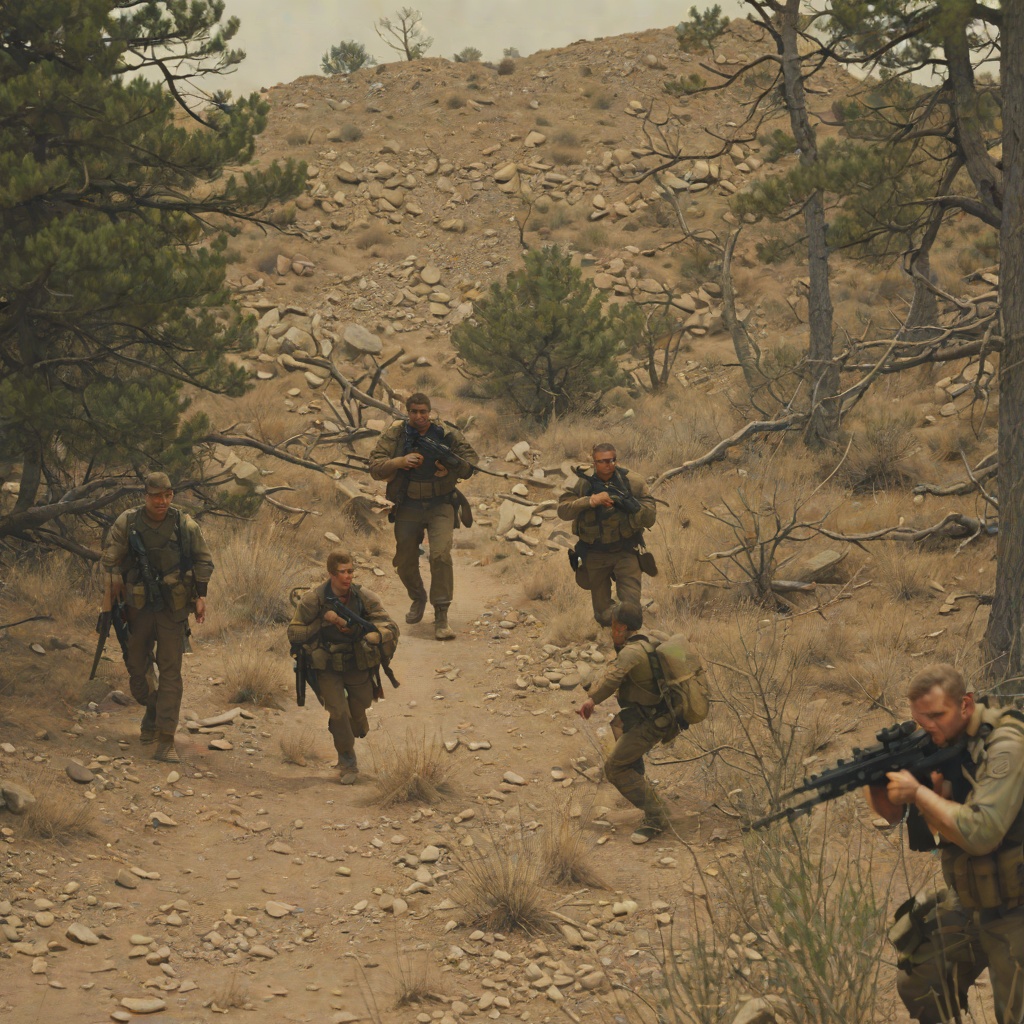
The ExecutionersGannatalla is the boys’ summer camp attended by Jamie Bowden, a summer institution whose ordinary routines become part of the protective perimeter around the Bowden family. Located three miles from Minnatalla and operating under the same management, it stands on the shore of a small lake in the southern part of the state, about a hundred and forty miles from Harper. Its importance lies in the contrast between the camp’s familiar youth setting and the adult danger that has begun to surround Jamie: the camp cannot remove the threat posed by Max Cady, but it can organize vigilance without making Jamie feel publicly marked as a target.
Setting and Seasonal Role
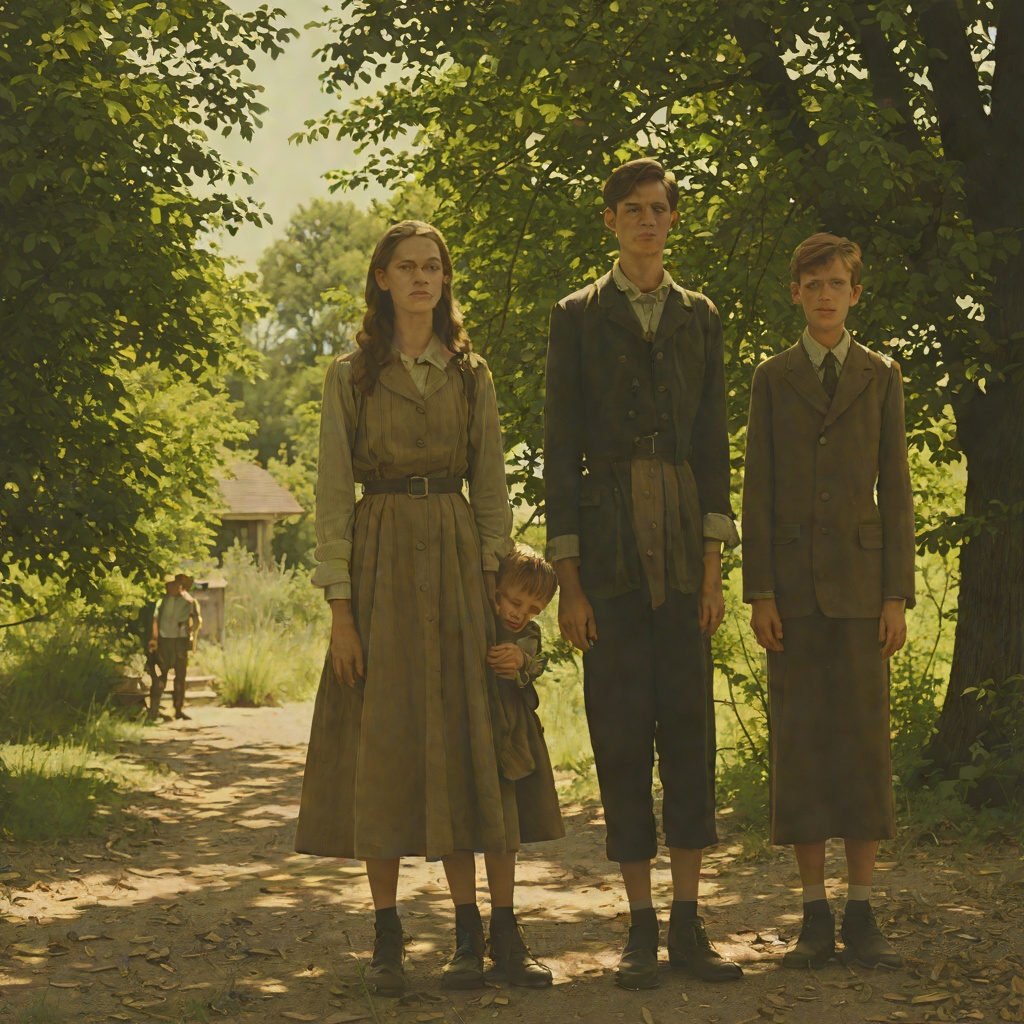
Gannatalla belongs to the Bowden children’s established summer pattern rather than appearing as an emergency refuge. Jamie is returning for his second year, while his sister Nancy is scheduled to spend six weeks at Minnatalla, the girls’ camp three miles away. The two camps share management and occupy the same lakeside region, making them paired institutions within the family’s plans. Their distance from Harper gives the children a separate seasonal world, but the narrative makes clear that geographical separation is not the same as security: the danger attached to Cady follows the family’s decisions about where the children will be sent.
The camp arrangements had been settled in April, when applications were due, long before the summer’s immediate crisis reached its most threatening stage. Nancy’s request to extend her stay from the customary month to six weeks was granted after the family considered the relevant circumstances; Jamie, by contrast, objected to being limited to one month and secured only a promise that he could register for six weeks when he turned fourteen. These negotiations preserve the texture of ordinary family life—age comparisons, unequal privileges, and a child’s sense of injustice—even as the camp later acquires a more serious protective function.
Protection Without Public Alarm
After Jamie arrives at Gannatalla, Sam Bowden seeks out Mr. Menard, who recognizes him from the previous year. The exchange immediately reveals that Tommy Kent has already communicated the possibility of a kidnapping. Menard has advised the entire staff how to respond and has decided that Jamie will not be treated differently from the other boys. At the same time, the staff will keep a special watch on him, remain alert for anyone lingering around the camp, and explain to Jamie how he can cooperate.
This arrangement makes Gannatalla reassuring precisely because it avoids turning protection into spectacle. Menard’s method is neither careless normality nor conspicuous confinement. Jamie remains within the ordinary schedule and social structure, while adults quietly alter their attention around him. The camp therefore functions as a controlled environment in which security is embedded in routine: surveillance is present, but it is designed not to announce itself as surveillance.
Menard’s confidence also offers Sam a relief absent from his dealings with the female camp. At Minnatalla, Mr. Teller makes Sam feel that his fears about Jamie’s safety may be exaggerated or invented. Menard, by contrast, treats the kidnapping concern as credible and actionable without surrendering judgment. He explains that Teller is new, takes himself too seriously, and will be corrected by experience with the children. Gannatalla’s authority thus appears practical and internally grounded: its staff understands both the seriousness of the threat and the importance of preserving a child’s dignity.
Jamie’s Place in the Camp
Jamie is not represented at Gannatalla merely as a vulnerable object requiring rescue. He is unloaded, fed, and entered into the schedule, a sequence of practical actions that restores him to the camp’s ordinary life. Menard intends to speak with him about cooperation rather than simply impose protection from above. The distinction matters: Jamie’s safety depends partly on adult preparation, but the camp’s system also recognizes him as a participant capable of understanding instructions and helping adults respond appropriately.
The camp’s reassuring quality therefore derives from its combination of structure and discretion. It has a schedule into which Jamie can be absorbed, staff members who can coordinate their attention, and a setting sufficiently removed from Harper to create distance from the immediate household crisis. Yet the camp does not pretend that the danger has vanished. Its precautions are an institutional answer to the possibility of an intruder or kidnapper, not proof that the threat has been defeated.
Narrative Significance
Gannatalla marks the point where the conflict over Cady enters the children’s protected spaces. The threat is no longer confined to Sam Bowden’s office conversations, moral hesitation, or consideration of violence; it now shapes summer arrangements, staff briefings, and the management of a boy’s daily movements. The camp’s normality becomes dramatically charged because every normal action—arrival, feeding, scheduling, supervision—takes place beneath an unspoken contingency plan.
At the same time, Gannatalla provides a counterimage to the adult responses that dominate the wider conflict. Sam feels physically inadequate to confront Cady and considers extra-legal violence as a substitute for the protection he cannot personally guarantee. Menard offers another model: organized attention, proportionate preparation, communication, and restraint. The camp does not solve the larger crisis, but it demonstrates that protection need not take the form of intimidation or revenge.
Its significance finally rests in this tension between refuge and vulnerability. Gannatalla is a familiar boys’ camp on a lake, connected to a sister camp and governed by seasonal routines; it is also a place whose staff must quietly prepare for kidnapping because the violence surrounding the Bowden family has breached the boundaries of home. In that doubleness, the camp embodies the novel’s transformation of domestic life: childhood continues, but ordinary institutions now carry the weight of an adult siege.