State Police
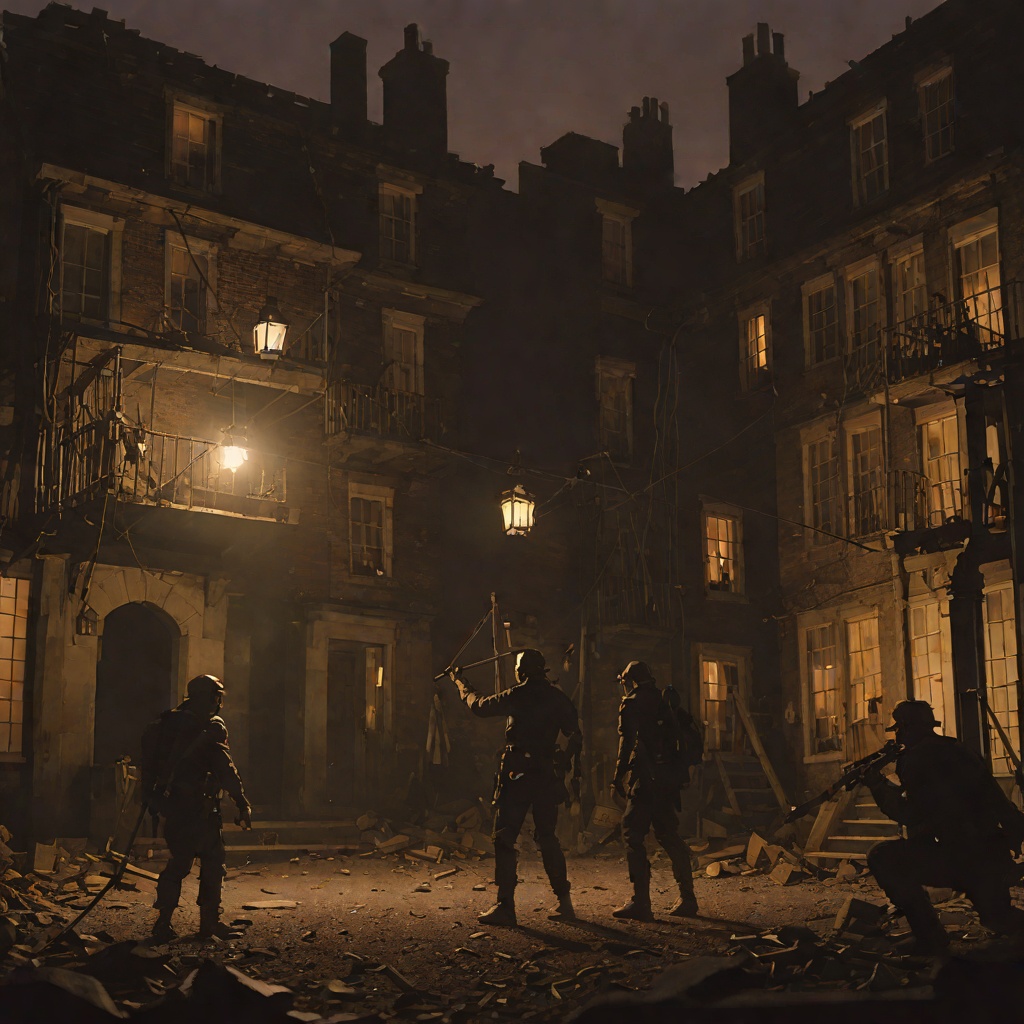
The ExecutionersThe State Police are the state-level law enforcement agency operating in and around New Essex, and they represent the final, most formidable tier of official authority that the Bowden family can call upon during their siege by Max Cady. In the novel's structure, they function as a counterpoint to the local New Essex Police Department, which is shown to be overworked, underfunded, and unwilling to commit resources to protect a single family. The State Police, by contrast, possess the manpower, jurisdiction, and willingness to act decisively, though their intervention comes only after the threat has escalated to attempted murder. Their role in the narrative is to demonstrate both the power and the limitations of the state's monopoly on legitimate violence, and to set the stage for the final confrontation between Sam Bowden and Cady.
Role and Jurisdiction
The State Police are a separate agency from the New Essex Police Department, with jurisdiction that extends beyond the city limits. This distinction is crucial, as Sam Bowden's home is not within the city of New Essex, a fact that Captain Button of the local police uses to justify his refusal to provide protection. The State Police, however, are not bound by the same municipal constraints. They are first mentioned in the context of the broader law enforcement apparatus that Sam must navigate, and their authority is implicitly greater than that of the local force. Their barracks, referred to as "E. Barracks," serve as a point of contact and coordination for the manhunt that eventually ensues.
The Limits of Local Police Power
Before the State Police become involved, the narrative establishes the inadequacy of the local response. Captain Button of the New Essex Police Department explicitly refuses Sam's request for protection, citing the department's manpower shortage—a force sized for a population of eighty thousand now serving one hundred and thirty thousand—and the legal precedent that would be set by using extralegal methods to protect a non-resident. This refusal forces Sam to rely on private measures, including hiring the investigator Sievers and purchasing a gun. The State Police, therefore, represent a potential source of help that is initially untapped, and their eventual arrival underscores the failure of the local system to address the threat.
Intervention and the Assignment of Corporal Kersek
The State Police's direct involvement begins after Cady's attack on Carol Bowden at the Bowden house. Following Carol's report that she believes Cady is still nearby, Sheriff Dutton leaves the room and returns with Corporal Andy Kersek, a State Police officer. Kersek is described as restless, unmarried, a first-class pistol shot, and bored with his current assignment in Communications. He is an infantryman who served in Korea, and his assignment to the Bowden family is cleared with both the County and the State Police. Dutton assigns Kersek to Sam for three days, instructing Sam to go over his plan in detail and accept Kersek's recommendations for any changes. This marks the first time the State Police actively intervene to protect the Bowdens, and it places a trained, armed officer in the home as a direct counter to Cady's threat.
The Manhunt and the Final Confrontation
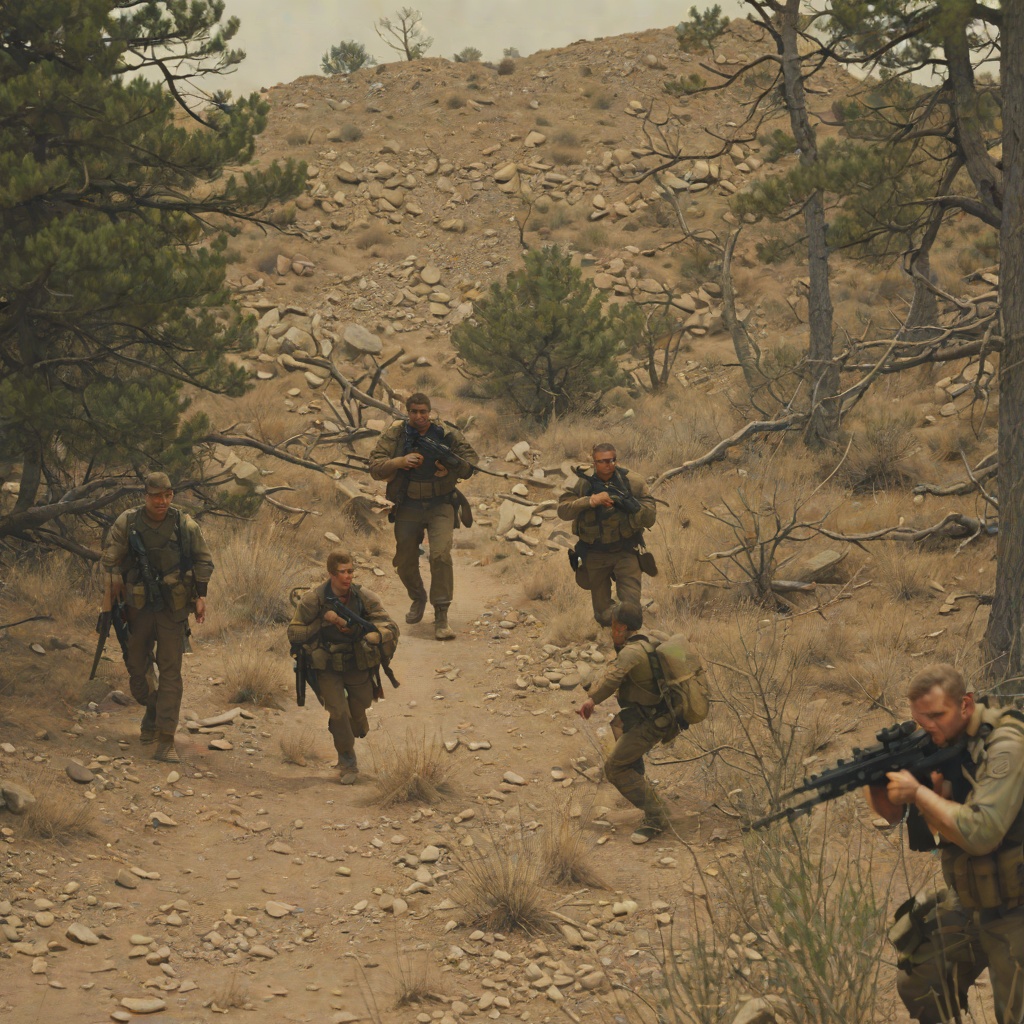
The State Police's most significant role comes in the aftermath of Cady's attack on Carol and his killing of Andy Kersek. A trooper named Ricardo takes charge of the manhunt, establishing roadblocks to seal off the area. He acknowledges the difficulty of the task, noting the many back roads and the impossibility of using dogs without a scent. He plans to spread his men out at first light to follow the track up the hill, hoping that Sam's shots have wounded Cady. The manhunt ultimately succeeds in cornering Cady, who is found halfway to his hidden car, covered with brush and containing a scoped rifle, food, and liquor. Ricardo reports that they started finding blood halfway up the hill, indicating that one of Sam's last shots had hit Cady. The State Police's operation thus directly enables the final confrontation, in which Sam Bowden kills Cady. Their presence and their willingness to pursue the fugitive stand in stark contrast to the earlier inaction of the local police, and they represent the state's ultimate, if delayed, assertion of its authority to protect its citizens.
Thematic Significance
The State Police embody the novel's ambivalent view of institutional power. On one hand, they are the only official body capable of mounting an effective response to Cady, and their intervention is essential to the story's resolution. On the other hand, their help is reactive rather than proactive; they arrive only after a murder has been committed, and their manhunt, while thorough, is not enough to prevent the final attack. The novel suggests that the state's monopoly on violence is both necessary and insufficient, and that in the end, it is the individual—Sam Bowden—who must take the final, decisive action. The State Police, for all their resources, cannot protect the Bowdens from the nightmare that nearly destroys them; they can only clean up the aftermath and provide the stage for Sam's own act of self-defense.