The West Wind
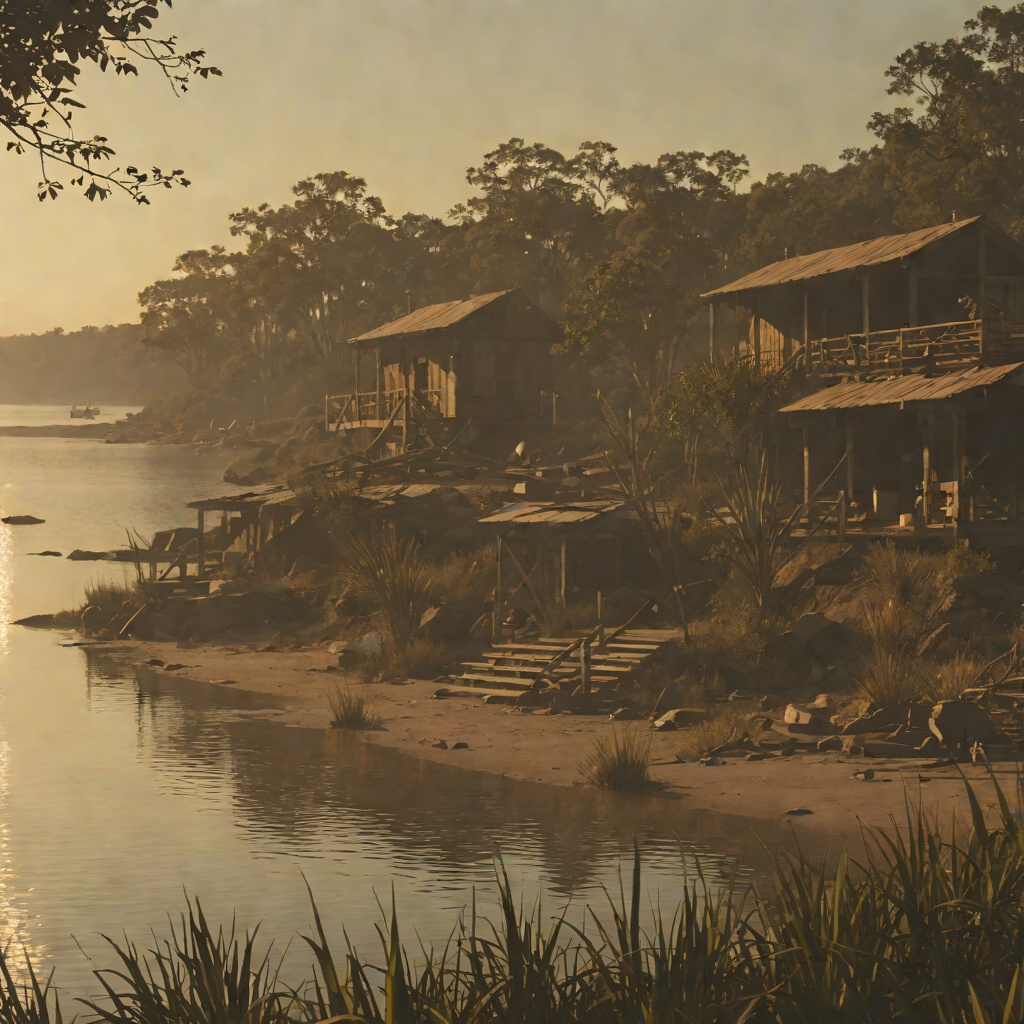
The ExecutionersThe West Wind is a lakeside inn in the town of Suffern, ninety miles from Harper, that serves as a temporary refuge for the Bowden family during Max Cady's campaign of terror. It is an old-fashioned frame building with the tall and awkward dignity of the Victorian period, offering a quiet dining room, third-floor rooms with connecting baths, maple furniture, rag rugs, and a weekly rate that includes breakfasts and dinners, the use of a tiny beach, hotel rowboats, an English croquet court, and two tennis courts. The inn's modest, cheerful amenities and its distance from the Bowden home make it an appealing retreat, yet its peace is repeatedly shattered by the violence that follows the family there.
A Refuge from the Siege
Sam Bowden first brings Carol and their son Bucky to The West Wind on a Friday, driving southeast toward the pleasant little vacation villages in the lake area. They arrive at lunchtime, and a busy little cricket of a man shows them the rooms. The decision to stay there is made partly to give Carol a vacation from housework and partly to remove her and Bucky from the danger posed by Cady. Sam decides it is unnecessary to use a different name at the inn, considering it theatrical, ludicrous, and unnecessary, though Carol takes the additional precaution of writing to Sam's office using envelopes not marked with the inn's return address. The family's attempt at normalcy is strained, as even the oblique mention of their dog Marilyn visibly saddened Bucky, who misses the pet they had to leave behind.
The West Wind's charm lies in its simplicity and its distance from the Bowden home. The rooms are clean and cheery, and the inn's policy of welcoming children, though not pets, makes it a suitable place for the family. The croquet court, the rowboats, and the tiny beach offer the promise of a peaceful holiday. Yet the threat of Cady looms over even this retreat, and the family's time there is marked by an undercurrent of anxiety that undermines the inn's tranquil atmosphere.
The Return After the Attack
When the Bowdens return to The West Wind in the later afternoon after Cady's night attack on their home, the crickety little man clucks at the damage to their car, at Carol's swollen lip, and at the lump on Bucky's forehead. Jamie, who has been given firm and explicit orders about not talking about his dramatic wound, looks as though he would pop open from the effort of restraining himself, but he manages to stay silent. The innkeeper's reaction underscores the visible toll the violence has taken on the family, even as they try to pass off the injuries as the result of an accident.
Once they have cleaned up, Sam phones his office and tells Bill Stetch about the accident, then, on sudden impulse, asks to take all of the next week off. Bill's silence and his remark that Sam has not been a ball of fire around the office lately suggest that the strain of the siege has already affected Sam's work. The West Wind thus becomes not only a place of physical refuge but also a space where the family can begin to recover from the trauma, even as the threat of Cady continues to hang over them.
A Sanctuary Undermined by Fear
The West Wind's role as a sanctuary is complicated by the family's awareness that Cady could follow them. Sam's earlier reflections on the night before the attack, when he stood in his front yard and felt that the world was a very large place and a man was almost excessively small, puny, and vulnerable, resonate with the family's experience at the inn. The sense of being watched and hunted does not disappear simply because they have left Harper. Carol's later confession that she had thought it was her absolute right to be happy and raise her kids and eventually shoo them out of the nest reflects the shattered illusion of safety that the family once enjoyed. The West Wind, for all its charm, cannot restore that illusion.
The inn's significance lies in its contrast with the Bowden home, which becomes a fortress under siege. At home, Sam searches the hillside with binoculars, decides it is unwise to use the kitchen at night, and sleeps with a gun under the pillow and a Rube Goldberg trap of pans and string blocking the stairways. At The West Wind, the family can sleep in relative peace, but the memory of the violence and the fear of its recurrence remain. The inn is a place of temporary respite, not of permanent safety, and its Victorian dignity seems almost fragile against the darkness that Cady represents.
The Fragility of the Idyll
The West Wind embodies the precariousness of the Bowden family's world. Sam's earlier belief that everything was under control, that the marriage was of the very best variety, and that the house just outside the village of Harper was more house than he should have purchased, reflects the comfortable middle-class life that Cady's return threatens to destroy. The inn, with its old-fashioned charm and its modest pleasures, represents the kind of simple happiness that the family is trying to preserve. Yet the violence that follows them there, and the fear that Cady could strike again, exposes the fragility of that idyll.
Carol's reflection that there are black things loose in the world, that a patch of ice on a curve or a germ can be one of them, captures the novel's broader theme of the precariousness of life. The West Wind is a place where the family can briefly pretend that the world is safe, but the pretense cannot last. The inn's significance lies in its role as a temporary haven, a place where the Bowdens can gather their strength before returning to face the threat that awaits them at home.