
Storm and Containment
The Fall of the House of UsherThe storm transforms the mansion from a closed refuge into a pressure chamber where hidden sounds become public and escape becomes necessary.
increasing Bearing strength in each event
 decreasing
Bearing strength in each eventdecreasingWeather Gathering
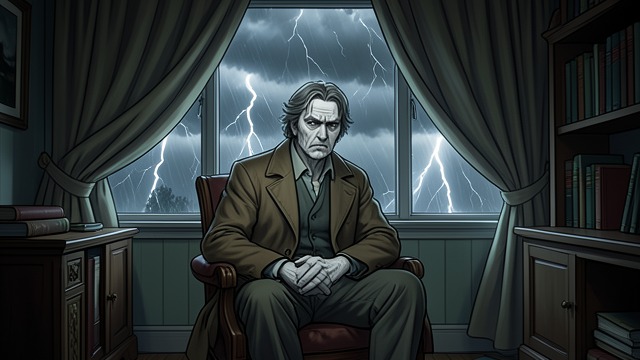
A Disturbed Night
The narrator awake
Sleep eludes the narrator as a tempest rises outside. Draperies move in the wind, and the chamber’s darkness heightens his sensitivity.
Confinement
The house offers no emotional shelter from the weather. Its rooms magnify the narrator’s growing concern rather than protect him from it.
Roderick Opens the Window
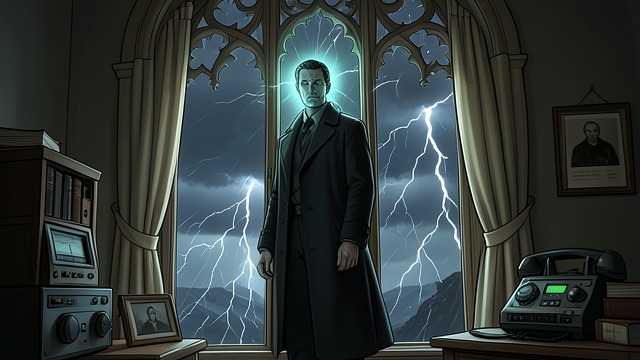
The Storm Admitted
A disturbing invitation
Roderick enters in a state of strained hilarity and asks whether the narrator has seen something. He opens a casement onto the storm.
Exposure increases
The gust nearly knocks them down, and an unnatural glow surrounds the house. The attempt to witness the phenomenon makes the chamber less secure.
The Narrator Closes In
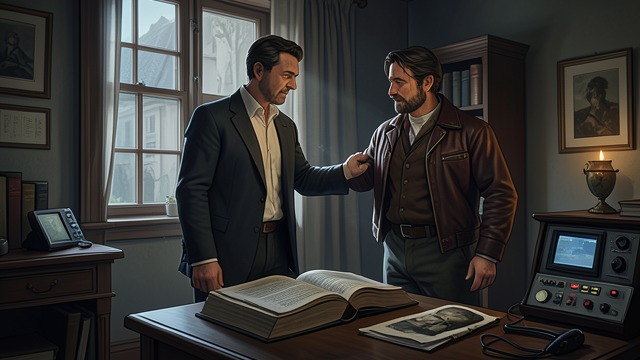
Reassurance and Retreat
A protective gesture
The narrator leads Roderick away from the window and offers ordinary explanations for the glow. He tries to reduce both exposure and panic.
Temporary containment
He selects The Mad Trist and proposes reading together. The plan brings their attention indoors but cannot isolate them from the sounds of the house.
The Sounds Cross the Chamber
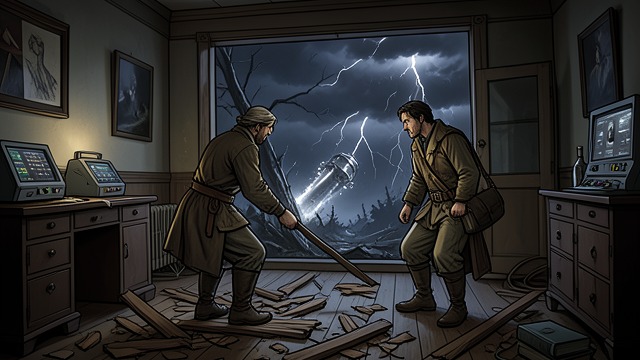
The House Answers the Reading
Repeated noises
Sounds like splintering wood, a harsh cry, and a metallic clang interrupt the narrative. The storm makes their sources difficult to locate.
Pressure from within
The men cannot separate the exterior tempest from the apparent struggle inside the mansion. The sealed domestic space becomes a place where every noise carries threat.
A Flight into Weather
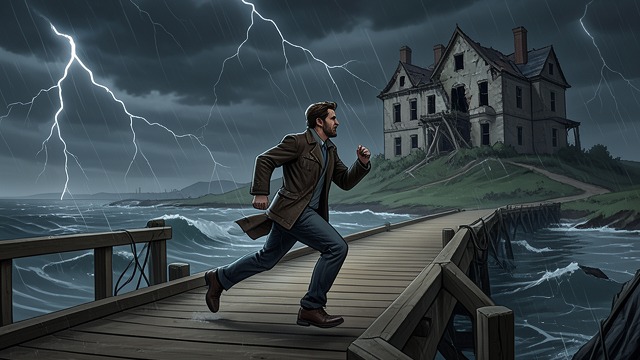
Escape Through the Storm
The chamber abandoned
The narrator flees the house while the tempest remains active. He crosses the old causeway with the deaths behind him.
Nature and destruction
The storm accompanies the widening fissure and collapse of the mansion. The weather’s force becomes part of the final escape and ruin.
Late on the night after the burial
Shortly after the narrator hears distant sounds
Moments after the window opens
As the romance reaches its three crises
After the twins die
