
The Narrator’s Compassion
The Fall of the House of UsherThe narrator’s concern progresses from an answer to Roderick’s appeal into practical care, alarm, and helpless witnessing.
increasing Bearing strength in each event
 decreasing
Bearing strength in each eventdecreasingConcern at the Letter
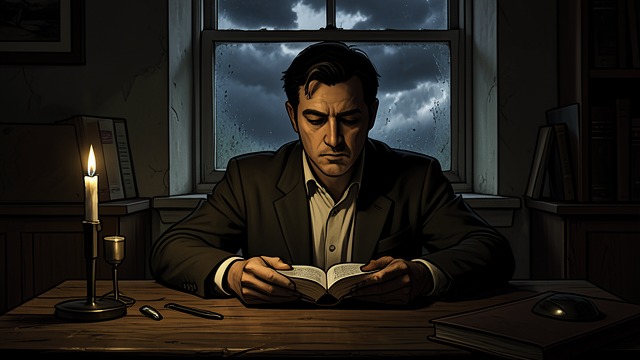
Compassion Prompted
An appeal for help
Roderick writes of acute illness and mental disorder, asking for his friend’s presence. The letter’s agitation conveys a need that seems personal and immediate.
The narrator responds
He travels to the mansion despite its ominous setting. His decision begins from compassion, not from curiosity about the strange house.
Pity at the Reunion
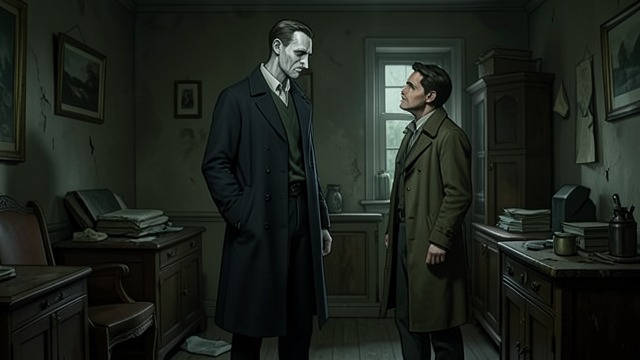
Seeing the Change
Shock and sympathy
The narrator is startled by Roderick’s physical transformation and regards him with pity and awe. He recognizes the sincerity beneath Roderick’s strained cordiality.
Attention as support
He listens to Roderick’s description of his symptoms instead of dismissing them. Compassion shapes the visit’s early conversations and shared routines.
Grief Shared at a Distance
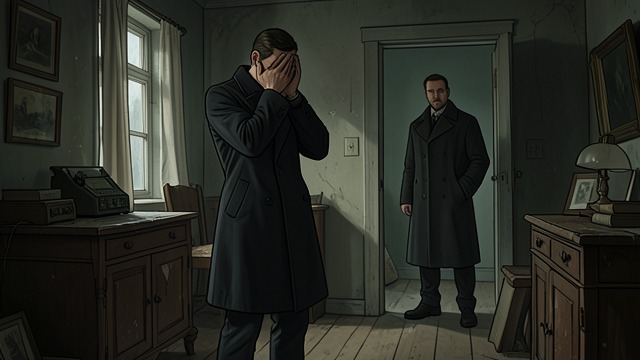
Witnessing Roderick’s Pain
A brief sight
The narrator sees Madeline pass without speaking and watches Roderick hide his face. Tears reveal the depth of his grief more plainly than his explanations do.
Respectful restraint
The narrator does not force a conversation in that moment. His care includes recognizing that his friend’s pain cannot be readily turned into words.
Comfort in the Night
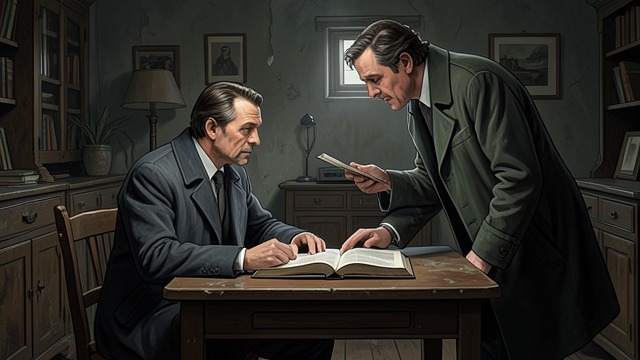
Presence as Protection
Moving Roderick from the window
The narrator sees that the storm and its glow have intensified Roderick’s distress. He leads him to a seat and tries to redirect his attention.
A fragile offer
Reading aloud is an attempt to keep Roderick from being alone with his fear. The narrator’s care persists even after it becomes clear that reassurance is failing.
The Unavoidable Departure
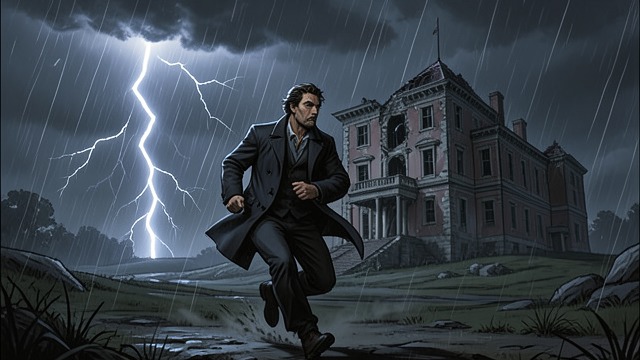
Leaving the House
A final witness
The narrator cannot prevent Madeline’s death or Roderick’s. He leaves the chamber only after the crisis has already taken both siblings.
Care gives way to survival
He flees the collapsing mansion. The departure is not a resolution of grief but the only response available to a witness facing immediate danger.
Before the visit
When the narrator enters Roderick’s chamber
When Madeline passes through the chamber
During the final storm
After the twins’ deaths
