
The Narrator as Witness
The Fall of the House of UsherThe narrator moves from an uncertain visitor to a frightened witness whose attempted explanations fail before events he can no longer contain.
increasing Bearing strength in each event
 decreasing
Bearing strength in each eventdecreasingArrival with Doubt
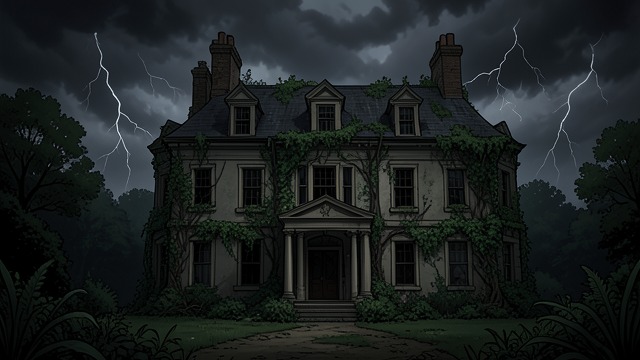
An Uneasy Observer
Initial response
The narrator feels profound gloom at the first sight of the mansion but cannot identify a rational cause. He questions his own reaction even as the landscape continues to trouble him.
A tentative method
He tests whether a different arrangement of the scene might change its effect. Looking into the tarn instead strengthens his apprehension, establishing the limits of his detached observation.
The Friend’s Condition
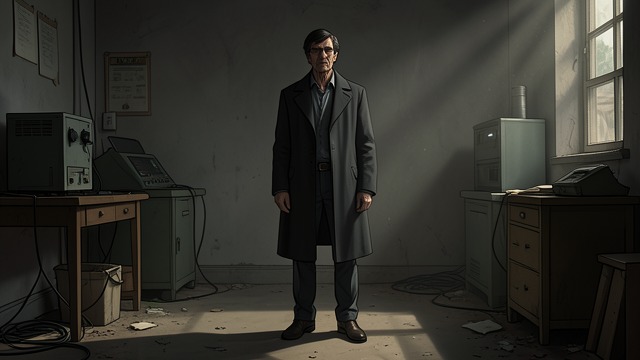
Caretaking Begins
An account of symptoms
Roderick describes acute sensitivity to light, sound, smell, food, and clothing. The narrator listens and tries to interpret these complaints as part of a nervous disorder.
The role of companion
The narrator accepts the practical task of keeping Roderick company. His friendship brings him close enough to observe the crisis but does not give him the authority to control it.
Dread by Contagion
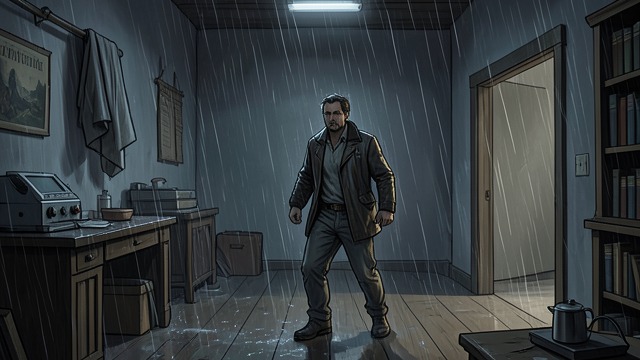
Fear Takes Hold
Increasing alarm
Roderick grows restless and listens toward empty spaces. The narrator recognizes that the house and his friend’s beliefs are influencing his own state of mind.
Uncertain sounds
Unable to sleep during a storm, the narrator hears low noises and paces the chamber. His ordinary confidence in explanation begins to erode under the pressure of isolation.
The Failed Reassurance
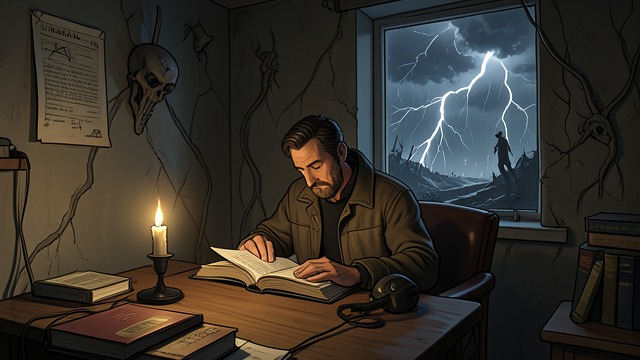
Reading Against Terror
An attempt at comfort
The narrator reads from The Mad Trist to redirect Roderick’s attention. He treats the romance as an unlikely but usable distraction from the tempest and their shared anxiety.
Echoes of the tale
Cracking, screaming, and metallic sounds seem to answer the story’s incidents. The narrator tries to call them coincidence, but each repetition makes that explanation harder to sustain.
Witness to Ruin
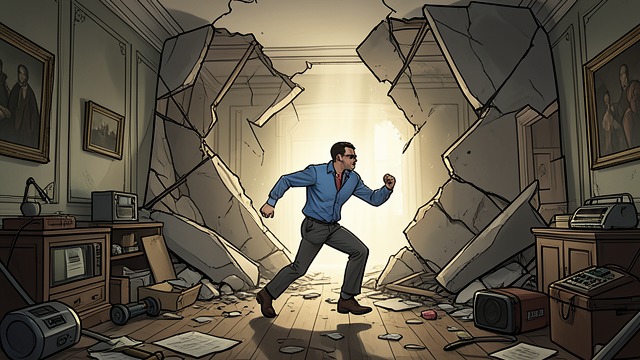
Escape from the Catastrophe
Recognition too late
Roderick confesses that Madeline is alive, and she enters the chamber. The narrator cannot prevent the twins’ deaths or make sense of the sudden fulfillment of Roderick’s fear.
Flight and aftermath
He escapes as the mansion splits and sinks. His survival preserves a witness to the event, but provides no explanation that can undo its finality.
Late on the first autumn day
On the narrator’s first evening inside
After Madeline’s burial in the vault
Late on the stormy night
At the climax and moments afterward
