
Perception and Sound
The Fall of the House of UsherSensory experience shifts from Roderick’s illness to the narrator’s fearful listening, making sound a bridge between imagination and hidden reality.
increasing Bearing strength in each event
 decreasing
Bearing strength in each eventdecreasingRoderick’s Acute Senses
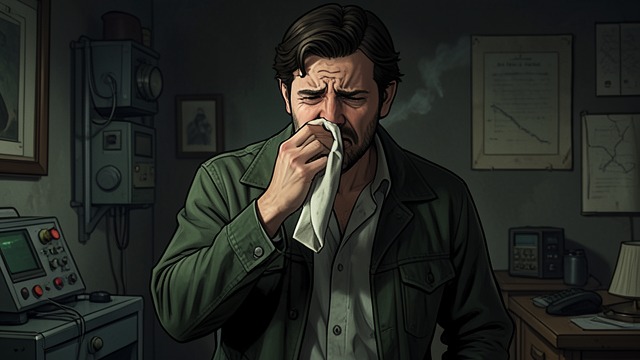
Sensation as Affliction
Narrow tolerances
Roderick describes ordinary light, odors, food, fabrics, and sounds as sources of pain or horror. His senses do not provide neutral access to the world.
An altered reality
The condition makes the everyday feel threatening. It also prepares the reader to consider whether later perceptions are symptoms, accurate warnings, or both.
Stringed Music
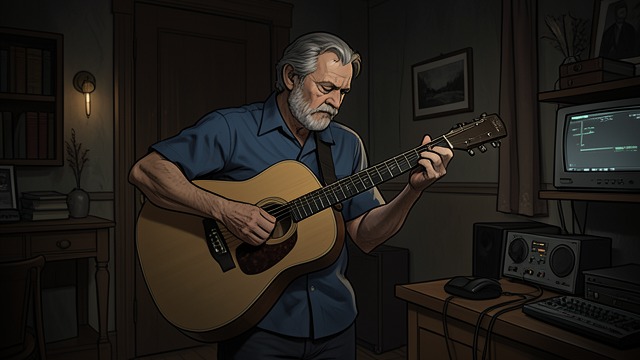
Sound as a Limited Refuge
A narrow exception
Certain sounds from stringed instruments do not inspire Roderick with horror. His guitar improvisations offer one of the few forms of sensory experience he can tolerate.
Expression through sound
The music gives his imagination a channel while leaving his underlying condition intact. Sound serves as refuge, but never as a cure.
Listening in the Dark
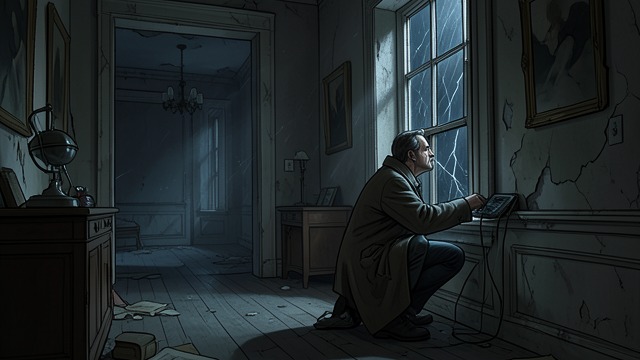
Uncertain Noises
The narrator hears
Unable to sleep, the narrator detects faint sounds during pauses in the storm. Their source remains unclear, and his fear grows as he listens.
A change in attention
The house’s quiet no longer feels empty. Listening becomes an active attempt to discover what the household has concealed.
The Story’s Echoes
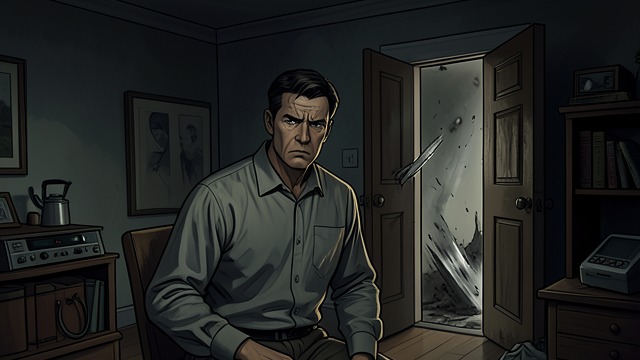
Hearing the Tale Outside the Book
Sounds aligned
The narrator hears noise like the story’s breaking door, dragon’s cry, and metallic fall. Each sound seems to transform literary description into present experience.
Meaning through repetition
The correspondences focus attention on Madeline’s possible struggle. Sound makes concealed events perceptible before Roderick explicitly explains them.
The Heart and the Door
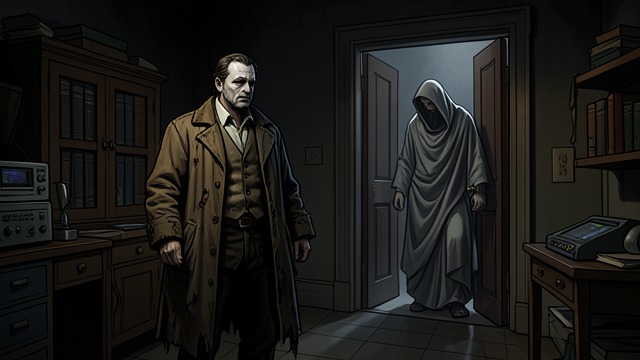
Sound Becomes Knowledge
Roderick’s confession
Roderick says he hears the beating of Madeline’s heart and her footsteps. His listening has become a form of guilty recognition.
Perception fulfilled
The door opens and Madeline appears. The story’s sounds resolve into a visible event, though recognition comes too late to save either twin.
During the first account of his illness
During the narrator’s early companionship with Roderick
After Madeline is placed below the house
During the reading of The Mad Trist
Immediately before Madeline enters the chamber
