Madeline Usher
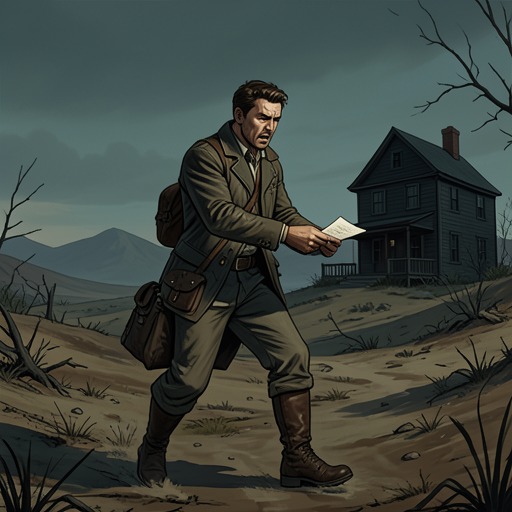
The Fall of the House of UsherMadeline Usher is Roderick Usher’s twin sister and, for years, his closest companion and last living relative. Her illness leads to a mistaken burial, and her return ends in the deaths of both twins. The story gives her little speech or interior perspective; instead, her presence is first glimpsed, then sealed away, and finally made unmistakable. That restricted view makes her uncertain medical condition central to the suspense: the supposed boundary between life and death proves dangerously unreliable.
Identity and Illness
Madeline is described as the only relative Roderick has left and as his tenderly beloved sister. They have been twins, and Roderick tells the narrator that a profound, difficult-to-explain sympathy has always linked them. Their resemblance becomes especially apparent when the narrator sees Madeline’s face after she has been placed in a coffin. The story thus establishes their closeness both through Roderick’s account and through the visible likeness between them, while leaving the nature of their bond unexplained.
Her illness has long resisted the physicians’ skill. The narrator reports a settled apathy, gradual wasting, and frequent but temporary episodes of a partly cataleptic character. These are descriptions of observed symptoms, not a definitive explanation of what is happening to her. She has continued to bear the illness without finally taking to bed, but on the evening of the narrator’s arrival she succumbs and is no longer seen by him while living. The account reaches the narrator through Roderick, so Madeline’s condition is filtered through her brother’s distressed report rather than her own testimony.
That distinction matters when her death is accepted. The story supplies evidence of medical uncertainty, but no independent examination that resolves it: the physicians have been baffled, and Roderick cites the unusual nature of the illness when explaining why he wants to delay her final burial. Her temporary cataleptic episodes become the crucial possibility the characters fail to reckon with. The narrative makes the error consequential without turning its symptom descriptions into a certain medical diagnosis.
A Presence Seen from a Distance
The narrator’s first glimpse of Madeline is brief. As Roderick speaks of her approaching death, she passes through a remote part of the apartment without appearing to notice the visitor, then disappears through a closing door. The narrator is struck by the sight but cannot explain his reaction. Roderick, meanwhile, hides his face in his hands, and tears show through his emaciated fingers. Madeline is introduced through this contrast: she is physically present for only a moment, while the emotional force of her illness is made visible in her brother’s grief.
After her collapse, Madeline’s name goes unmentioned for several days. The narrator and Roderick paint, read, and listen to Roderick’s improvised music, but these shared occupations do not restore the household to ordinary life. Madeline’s absence shapes the period even while she is not discussed. For the narrator, the silence separates the brief living glimpse from the later act of entombment; for Roderick, her loss contributes to a grief that the narrator cannot relieve.
The Vault and the Mistaken Death
Roderick decides to keep Madeline’s body for a fortnight before final interment in a vault within the mansion. He gives practical reasons: the unusual illness, inquiries by her physicians, and the remote, exposed family burial ground. The narrator does not oppose the plan, judging it a precaution, and personally helps Roderick carry the coffin. The decision is presented as a response to uncertainty, but it places Madeline close beneath the room where the narrator sleeps and inside a space from which escape will be difficult.
The vault is small, damp, deep beneath the building, and without natural light. Its past uses include a prison-like dungeon and a store for powder or another combustible material; copper sheaths its floor and the archway leading to it, and the heavy iron door grates as it moves. These concrete features make the temporary burial feel both deliberate and irrevocable. The narrator and Roderick turn aside the coffin lid and look at Madeline’s face. Her resemblance to Roderick arrests the narrator, while the faint color and lingering expression left by her illness make the appearance of death troubling rather than conclusive. They close and secure the coffin and vault door.
Only later does Roderick disclose what that apparent death concealed. He says he heard faint movements in the coffin many days earlier but did not speak of them. As the narrator reads aloud from a romance whose sounds seem to recur in the house, Roderick interprets the noises as Madeline breaking out of her coffin and vault. His account retrospectively transforms the earlier precaution into a fatal mistake: the possibility raised by her cataleptic illness was not resolved before she was sealed away.
Return and Ending
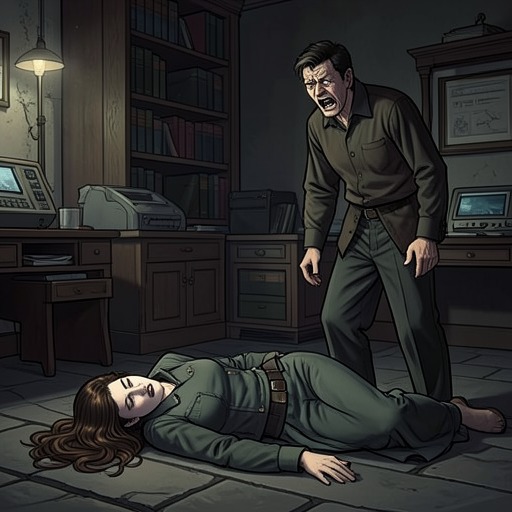
When the chamber doors open, Madeline stands outside. The narrator sees that she bears signs of a struggle, and she remains unsteady on the threshold before falling against Roderick. Her final death carries him to the floor as well. The return confirms that Madeline had been alive in the vault, but the story offers no account from her of what she experienced there. Her movement from hidden presence to visible return therefore resolves the central uncertainty about her supposed death while preserving her silence.
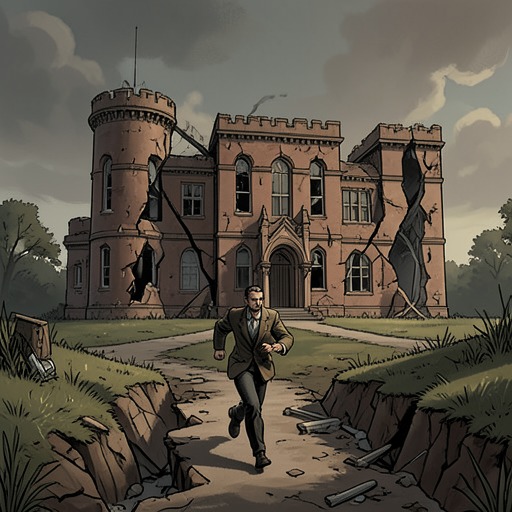
The twins’ deaths fulfill Roderick’s fear that he would become the last of the ancient Usher line. Madeline is not simply an individual loss within the family: her death and Roderick’s occur together, ending the line whose extinction he had anticipated. The narrator escapes the mansion, and, as he watches from outside, a fissure widens through the structure until it breaks apart and the tarn closes over its fragments. Madeline’s return is thus bound to two endings at once: the death of the twins and the destruction of their ancestral home.
Narrative Significance
Madeline’s role depends on the gap between what the characters conclude and what the evidence can establish. Her symptoms are known through descriptions and reports; her apparent death is accepted despite the history of transient cataleptic episodes; and the truth emerges only when Roderick confesses that he heard her movements. Because the narration gives Madeline no direct account of her illness or confinement, the reader encounters her as both a person and the object of other characters’ interpretations. The story’s suspense grows from that imbalance rather than from a settled medical explanation.
Her physical absence also remains active throughout the plot. The silence after her collapse, the coffin placed beneath the narrator’s sleeping room, and Roderick’s later attention to sounds all make the supposedly dead sister a continuing presence in the mansion. When she finally appears, the return is not a new mystery replacing the old one: it reveals the consequence of the earlier failure to distinguish a cataleptic state from death. Madeline’s brief appearances and devastating return make the household’s fear concrete, and join the twins’ fate to the final destruction of the House of Usher.