Jean-Baptiste Clamence
The FallJean-Baptiste Clamence is the sole narrator and protagonist of Albert Camus's The Fall, a former Parisian lawyer who, after a crisis of conscience, reinvents himself as a "judge-penitent" in an Amsterdam bar called Mexico City. His monologue, delivered over five days to a silent interlocutor, is a relentless confession that becomes an indictment of the listener and of humanity itself, making Clamence the novel's living embodiment of its central themes: the universal experience of guilt, the inescapability of judgment, and the impossibility of innocence.
Identity and Background
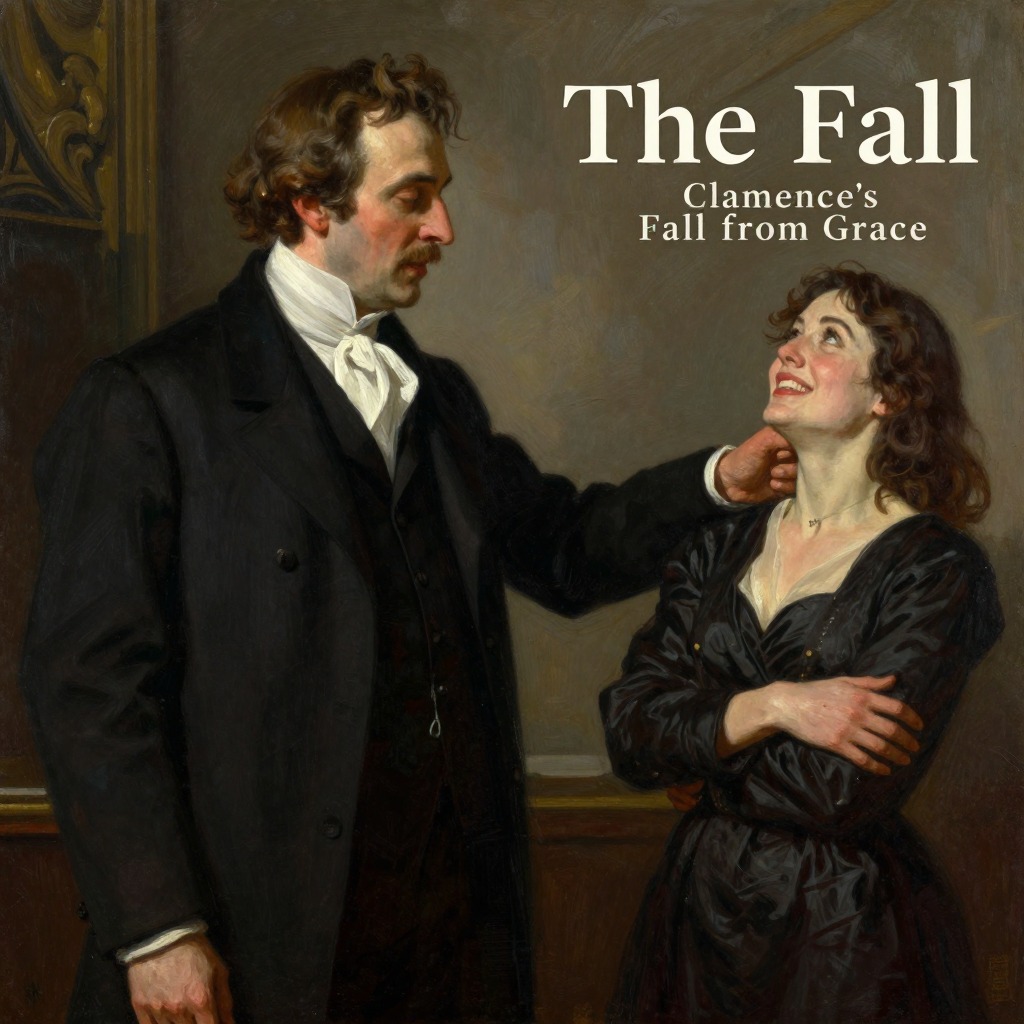
Clamence introduces himself to his listener in the Mexico City bar as a man of contradictions. He is physically imposing, with the stature and shoulders of a rugby player, yet his conversation reveals a subtlety that belies his appearance. He confesses to a weakness for the subjunctive mood and fine speech, a taste he criticizes in himself, comparing style to sheer silk that hides eczema. He was once a wealthy lawyer in Paris, specializing in noble cases—widows and orphans—and was considered generous, often giving alms and helping blind people cross the street. He never accepted bribes and refused the Legion of Honor two or three times. He describes his former life as one of perfect harmony: he was in good health, slept well, was skilled in both bodily and mental exercises, and was fundamentally pleased with himself. He felt marked out for a long and uninterrupted success, as if by a higher decree, despite having no religion. This conviction of being a superman, a king's son, or a burning bush, allowed him to soar for years.
The Crisis and the Fall
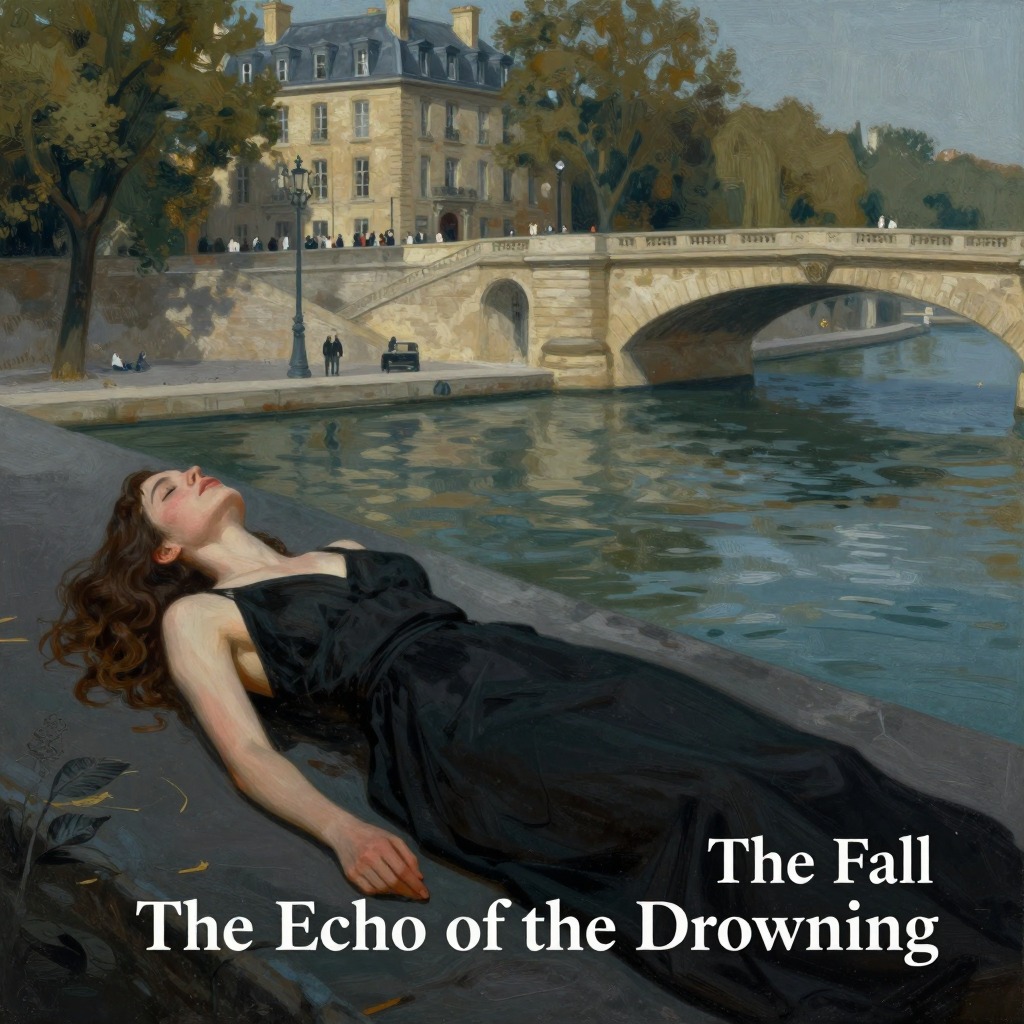
Clamence's crisis begins on a fine autumn evening on the Pont des Arts in Paris. He was walking along the Left Bank, happy after a good day that included a reduced sentence for a client, a cordial handclasp, and a brilliant improvisation with friends. Facing the statue of the Vert-Galant, he felt a vast feeling of power and completion. At that moment, a laugh burst out behind him. He wheeled around but saw no one. The laugh, a good, hearty, almost friendly sound, seemed to come from nowhere, perhaps from the water. This inexplicable laugh shattered his self-assurance. He later heard it again under his windows and saw his own reflection smiling in the mirror, but the smile seemed double. This event marked the beginning of his fall. He ceased to walk along the Paris quays, and a sort of silence would descend on him when he rode along them. He began to experience a dejection, a difficulty in recovering his good spirits, and felt he was half unlearning how to live.
Key Actions and Objectives
Clamence's actions are driven by a desire to dominate and to escape judgment. As a lawyer, he aimed higher than mere ambition, seeking a supreme summit where virtue is its own reward. He loved to help blind people cross streets, giving directions, and lending a hand, but he admits these acts were performed out of vanity and a desire for the public's admiration. He tipped his hat to a blind man he had helped, knowing the man could not see it, because the gesture was for the public. He was always bursting with vanity, and the refrain of his whole life was "I, I, I." He admits he always considered himself more intelligent, more sensitive, and more skillful than everyone else. After his crisis, he began to act out, jostling the blind in his imagination, writing an "Ode to the Police" and an "Apotheosis of the Guillotine," and using the word "God" in front of atheist intellectuals to provoke them. He eventually fled to Amsterdam, where he set up his practice as a judge-penitent in the Mexico City bar, lying in wait for bourgeois clients, especially straying ones, to confess to.
Relationships and Conflict
Clamence's relationships are characterized by a fundamental lack of genuine connection. He never loved any of the women he was with, seeing them as objects of pleasure and conquest. He admits that true love is exceptional, occurring two or three times a century, and that his own emotional impulses always turned toward himself. He conceived at least one great love in his life, of which he was always the object. He used a practiced speech to seduce women, claiming he was nothing and that his life was elsewhere, a tactic that worked because it presented a mystery. He felt a need to be loved and to receive what he thought was due him, but once he had re-won a woman's affection, he became aware of its weight and wished for her death. He kept all his affections within reach, like objects in a refrigerator, to be used when he wanted. He admits he could live happily only if all individuals were turned toward him, devoid of independent life. His relationship with his contemporaries also soured after his crisis. He felt that everyone was looking at him with a hidden smile, and he discovered he had enemies among people he hardly knew. He realized that his successes and happiness were not forgiven, and that he was condemned for past successes. He felt the whole universe began to laugh at him.
Change and Ending
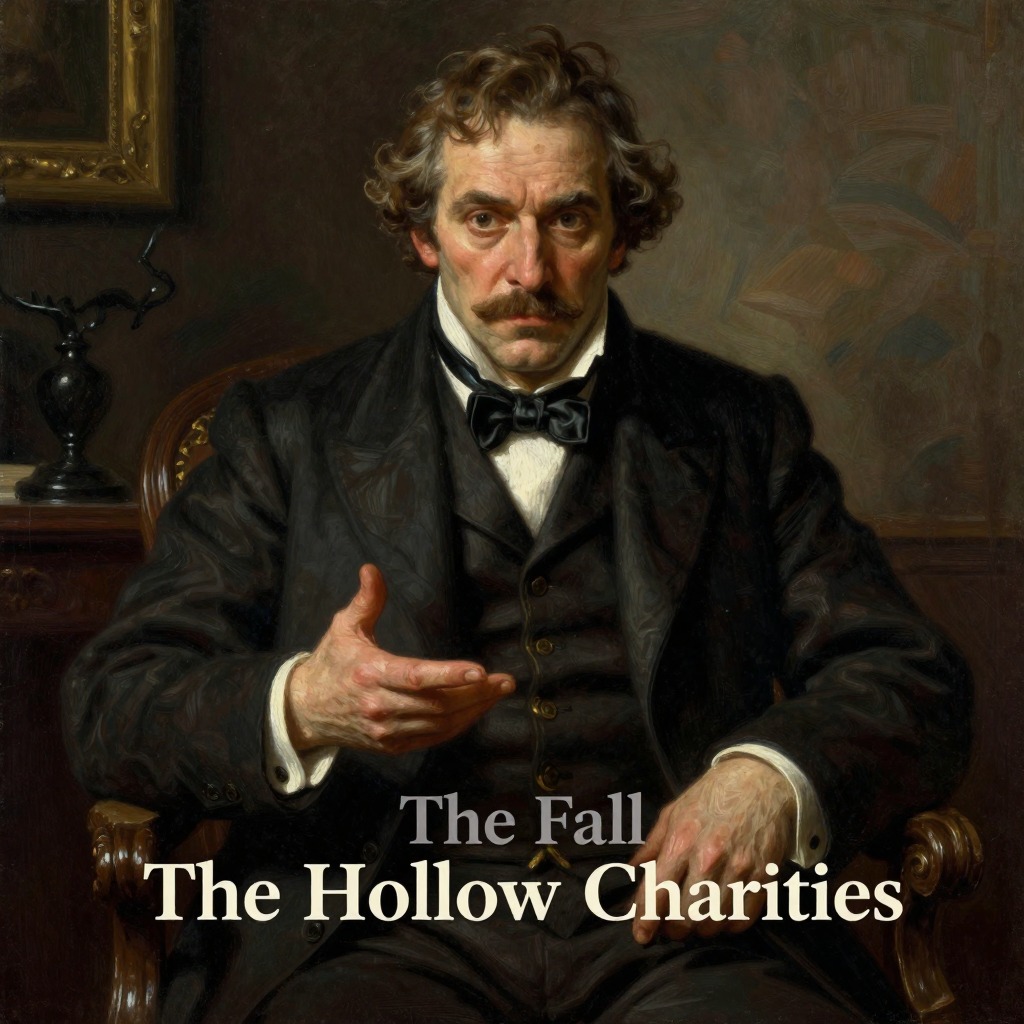
Clamence's transformation from a successful Parisian lawyer to a judge-penitent in Amsterdam is a deliberate and calculated response to his crisis. He realized that he could not escape judgment, so he decided to extend judgment to everyone. His method is to confess his own sins publicly, constructing a portrait that is the image of all and of no one, a mask that makes people say, "Why, surely I've met him!" He then passes from the "I" to the "we," and by accusing himself, he gains the right to judge others. He has accepted duplicity instead of being upset about it, and now permits himself everything again, without the laughter. He continues to love himself and make use of others, but the confession of his crimes allows him to begin again lighter in heart. He has found a height to which he is the only one to climb, from which he can judge everybody. He sits enthroned among his bad angels at the summit of the Dutch heaven, watching the multitude of the Last Judgment ascend toward him. He pities without absolving, understands without forgiving, and feels at last that he is being adored. He admits his solution is not ideal, but he sees no other choice, for one cannot become another.
Narrative Role and Thematic Significance
Clamence is not merely a character but a vehicle for the novel's philosophical argument. He is the embodiment of the modern condition, a man who has lost the light and the holy innocence of those who forgive themselves. His story is a parable of the universal experience of guilt and the desperate need to avoid judgment. He argues that every man testifies to the crime of all the others, and that the Last Judgment takes place every day. He sees himself as a prophet for shabby times, an Elijah without a messiah, showering imprecations on lawless men who cannot endure any judgment. His final words to his listener, a fellow lawyer from Paris, reveal the novel's central irony: he asks the listener to utter the words that have echoed through his nights, "O young woman, throw yourself into the water again so that I may a second time have the chance of saving both of us!" But he immediately adds that it is too late, and always will be. Clamence's confession is a mirror held up to the reader, forcing a confrontation with the same guilt and the same desire for judgment that he embodies.