Google Buns
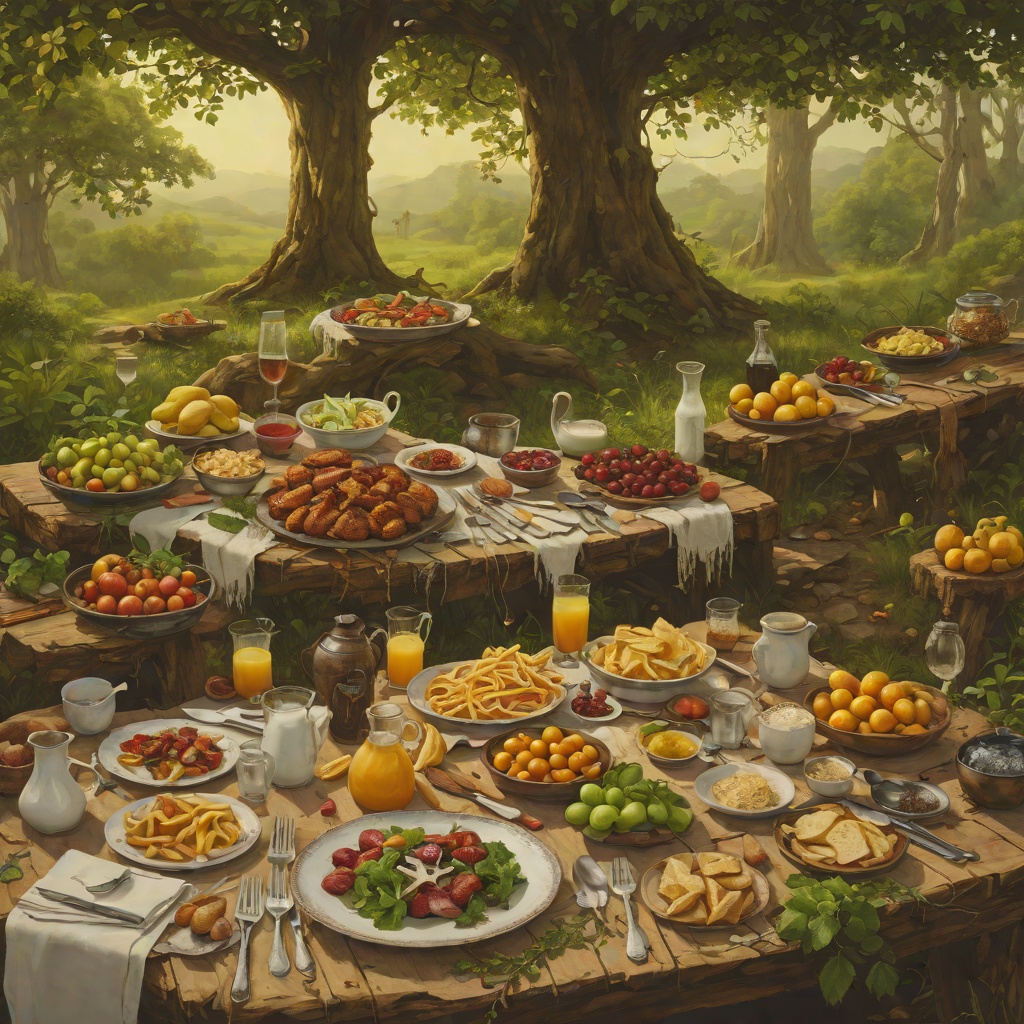
The Faraway TreeGoogle Buns are Moon-Face’s distinctive homemade treat and one of the most memorable edible objects associated with the Faraway Tree. Their importance lies not merely in sweetness: they turn hospitality into a small piece of magic, giving the children a tangible reason to gather, laugh, recover from danger, and feel at home among their unusual friends.
Definition and Preparation
Google Buns are made by Moon-Face, who presents them as an occasional specialty rather than an ordinary everyday food. When he invites the children to tea, he says that Silky has Pop Biscuits and that he has made Google Buns, adding that he does not make them often and considers them a treat. This limited preparation gives the buns a sense of occasion before anyone has even tasted them.
Their appearance is initially mysterious to the children. Bessie is astonished by the unfamiliar name and asks what they are, while Moon-Face answers by inviting everyone to come and see. He playfully insists that they are better than Pop Biscuits, and Silky agrees. The exchange makes the food part of the social performance of welcome: curiosity, teasing, and anticipation surround the buns before their unusual physical quality is revealed.
The Sherbet-Filled Center
The buns are peculiar because each contains a very large currant in its middle, and the currant is filled with sherbet. The effect is activated by biting into it. The sherbet froths outward, fills the eater’s mouth with fine bubbles, and tastes delicious. The children are taken by surprise when the currants burst, while Moon-Face laughs so heartily that he almost falls from the branch.
This design makes Google Buns more than a named food. Their pleasure depends on a small reversal of expectation: what looks like a currant conceals an effervescent center, and a familiar act of eating suddenly becomes a comic magical event. The buns therefore combine food, prank, and spectacle without becoming dangerous. Their material behavior produces the laughter that completes Moon-Face’s hospitality.
Food as Hospitality and Friendship
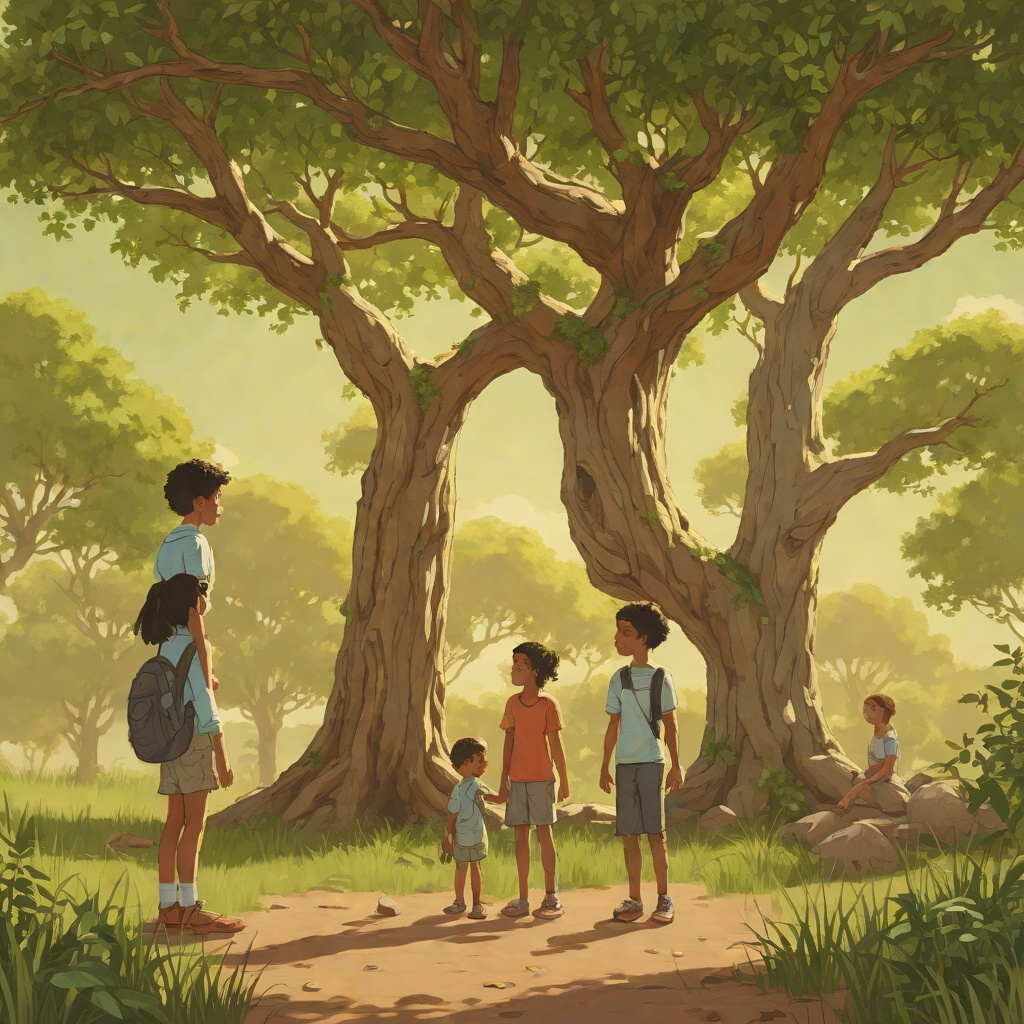
After being brought up by Mister Watzisname’s rope, the children sit on the broad branches outside Moon-Face’s house and eat Pop Biscuits and Google Buns together. The scene places the buns within a wider pattern of shared food and friendship. Moon-Face does not simply offer an object to the children; he draws them into a communal ritual in which the strange food is tasted, discussed, and enjoyed collectively.
Google Buns also help restore ordinary pleasure after unsettling adventures. At one point, the children have just watched the toys pass Moon-Face’s window after the crisis involving the Land of Toys. Silky suggests that they watch the tired procession while having a few Google Buns and Pop Biscuits. The buns provide a calm domestic counterpoint to the trouble caused by the Saucepan Man’s mistake and the toy invasion. Their recurrence turns Moon-Face’s home into a place where danger can be followed by food, conversation, and forgiveness.
The food also carries an ethic of generosity. The children’s family life is structured by work: Jo and Dick are expected to dig potatoes, while Bessie and Fanny must finish ironing before they may take Dick to the Enchanted Wood. Their promised holiday depends on completing those duties. Against that background, Moon-Face’s freely offered buns belong to the compensating world of friendship, where hospitality is given without the household labor negotiations that govern the children’s ordinary day.
Recurrence During Rescue and Recovery
Google Buns remain available even in the aftermath of serious difficulty. When Jo sees Moon-Face, Silky, and the Saucepan Man climbing up through the enlarged opening from the Slippery-Slip, he asks the Angry Pixie to put a kettle on because the rescuers may want hot cocoa. He also asks whether there is anything to eat. The Angry Pixie answers that there are Pop Biscuits and Google Buns in a tin and that the returning friends will like them.
The detail of the tin is significant because it shows the buns as stored provisions, ready to receive people emerging from danger. Their role has expanded from a special novelty served at Moon-Face’s house to part of a practical welcome prepared for exhausted friends. Hot cocoa answers bodily cold or fatigue, while the buns restore cheer through their familiar bubbling surprise.
Narrative Significance
Google Buns are a compact emblem of the Faraway Tree’s fusion of the ordinary and the impossible. They are recognizably baked food, yet their currant centers behave like a miniature enchantment. The story repeatedly uses them to make an extraordinary community feel domestic: branches become a sitting room, a tin becomes a reserve of comfort, and a strange invention becomes a shared tradition.
Their comic explosiveness also mirrors the book’s broader pleasure in material surprises. Like the tree’s shifting lands and magical objects, Google Buns resist passive use: the eater’s bite releases an unexpected force, and the object briefly takes control of the scene by filling the mouth with bubbles and provoking laughter. Yet unlike the more perilous magical devices encountered elsewhere, the buns’ material agency is benevolent. They transform apprehension into amusement and separation into reunion.
By appearing at moments of invitation, observation, and rescue, Google Buns trace a social circle around Moon-Face and the children. They are introduced as an unusual treat, shared during a friendly visit, offered again while the group watches the consequences of an adventure, and kept ready for friends returning from the Slippery-Slip. Their lasting significance is therefore relational: Google Buns make friendship edible, repeatable, and joyfully surprising.