Hotel Filosoof
The Fault in Our StarsThe Hotel Filosoof is the Amsterdam hotel where Hazel Grace Lancaster, her mother, and Augustus Waters stay during their trip to meet the reclusive author Peter Van Houten. Located just a half block from the Vondelpark, Amsterdam's most famous park, the hotel is a small establishment whose rooms are named after philosophers. Hazel and her mother are assigned the ground-floor Kierkegaard, while Augustus stays in the Heidegger on the floor above. The room is small, with a double bed pressed against a wall, and at the foot of the bed sits Hazel's BiPAP machine, an oxygen concentrator, and a dozen refillable oxygen tanks. A dusty old paisley chair with a sagging seat, a desk, and a bookshelf above the bed containing the collected works of Søren Kierkegaard complete the space. On the desk, a wicker basket from the Genie Foundation contains presents: wooden shoes, an orange Holland T-shirt, chocolates, and various other goodies.
A Base for Exploration and a Site of Revelation
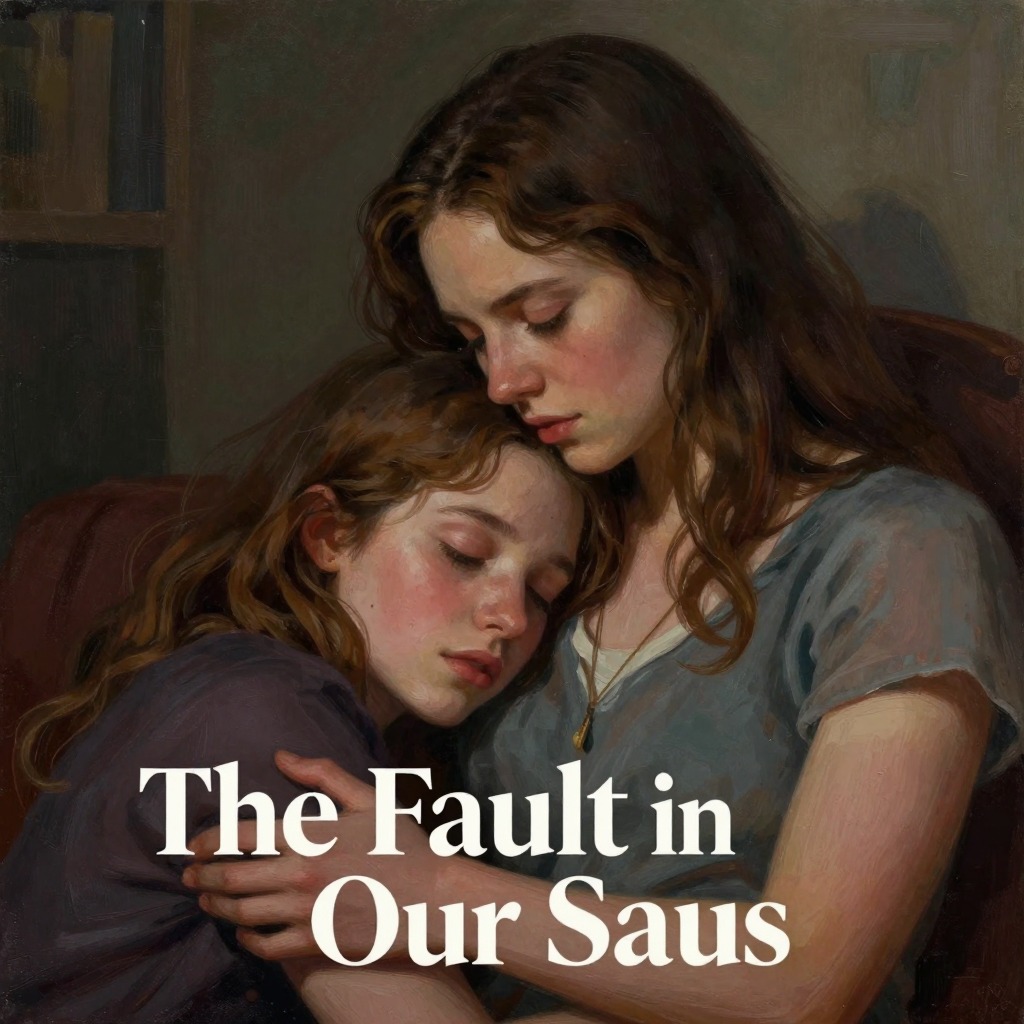
The Hotel Filosoof serves as the central hub for the group's Amsterdam activities. Hazel's mother initially wants to explore the Vondelpark but stays in the room while Hazel sleeps, reading a guidebook instead. The hotel is also where Hazel and Augustus prepare for their dinner at Oranjee, with Hazel changing into a blue print sundress. More significantly, it is in the Kierkegaard room that Augustus reveals the devastating news of his cancer recurrence. After their visit to the Anne Frank House, they return to the hotel, and in the room, Augustus tells Hazel that his PET scan lit up everywhere—the lining of his chest, his left hip, his liver. He explains that he started palliative chemo but gave it up to go to Amsterdam, even though his parents were furious. Hazel kneels at the base of the dusty paisley chair, putting her head in his lap and hugging him by the waist as he breaks down, sobbing. The room, meant for rest and discovery, becomes the space where their shared future collapses.
The Mirrored Elevator and the Infinite
The hotel's tiny elevator, with every surface including the floor mirrored, becomes a brief, intimate space. After Augustus's revelation, Hazel and Augustus squeeze into it together. As the old thing creaks slowly up to the second floor, Hazel kisses him. He pulls away and points at the mirror, saying, "Look, infinite Hazels." Hazel, mimicking Peter Van Houten's drunken lecture, drawls, "Some infinities are larger than other infinities." The elevator's slow ascent and the mirrored reflections create a moment of shared, dark humor and connection, a small infinity within their numbered days. The elevator eventually lurches to a halt, and Augustus pushes the mirrored door open, wincing in pain, a physical reminder of the cancer that is consuming him.
Narrative Significance
The Hotel Filosoof is more than a place to sleep; it is a threshold space between the ordinary world of Indianapolis and the extraordinary, disappointing encounter with Van Houten. It is where the promise of answers from the author is replaced by the brutal truth of Augustus's illness. The hotel's philosophical theme—rooms named after thinkers who grappled with existence, meaning, and mortality—underscores the novel's central concerns. The Kierkegaard room, named for a philosopher of anxiety, faith, and the leap into the unknown, becomes the setting for Hazel's own leap into a new, painful understanding of her love for Augustus and the nature of their shared, finite time.