
Abdellah’s Grief and Judgment
The ForgivenThis flow follows Abdellah from bereaved arrival through inquiry and restraint as he decides how to respond to the man who killed his son.
increasing Bearing strength in each event
 decreasing
Bearing strength in each eventdecreasingThe Journey to Azna
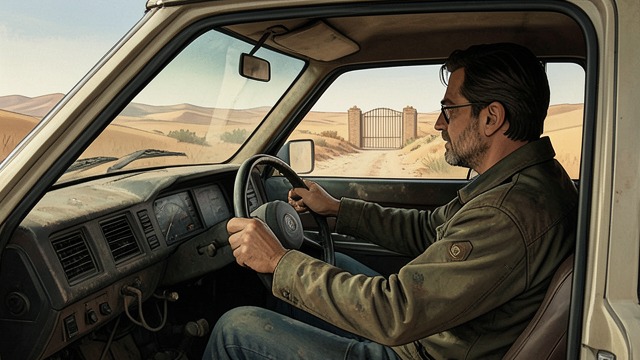
A Father Reaches the Gate
Abdellah drives with companions from Tafal’aalt to Azna after learning that Driss has died. He kneels at the closed gate and repeatedly asks the hosts to let him collect his son.
His arrival is marked by exhaustion and controlled dignity rather than public rage. The people at Azna have heard rumors, but the father’s immediate purpose is to see Driss and bring him home.
A Name for the Dead
When Abdellah identifies Driss, the body becomes more than a nameless victim held in a garage. Hamid can finally connect it to a family and a place of burial.
The journey establishes the father as a person in grief, not only as a possible claimant or threat. His later decisions grow from this loss and from his need to understand how his son died.
The Silent Vigil
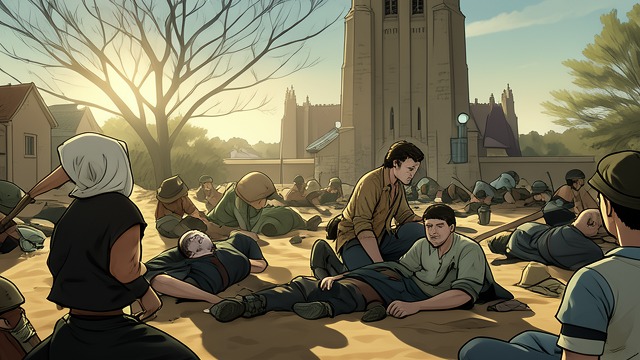
Grief Without Display
Abdellah approaches his son’s body and looks at him for a long time. He does not immediately collapse or accuse anyone; instead, the encounter seems to empty him of speech and ordinary response.
The staff watch, moved by the father’s restraint and by the injustice they believe surrounds the death. Abdellah’s silence becomes difficult for them to bear because it offers no simple release for their anger.
The Question of the Killer
The search for David becomes central to the father’s thoughts. Abdellah wants to hear what happened, but he has not yet decided whether he seeks explanation, punishment, or something more difficult.
His grief is both personal and investigative. He must confront a body that makes the loss undeniable before he can decide what the living man should face.
A Request for the Driver
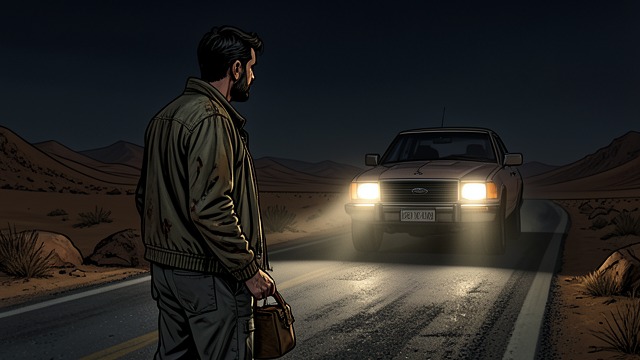
A Journey as Acknowledgment
Abdellah asks David to travel with the body to Tafal’aalt and attend the burial. He presents the request as a proper act for the man whose car killed his son.
Richard and Hamid struggle to interpret the demand, unsure whether it is custom, insistence, or an implied request for compensation. David hears danger in it but ultimately agrees.
Refusing Easy Settlement
Abdellah does not begin by accepting a quiet payment as a complete answer. He wants the driver to enter the family’s loss and to participate in the return of the body.
The request creates a moral obligation that cannot be reduced to a police report. It also gives Abdellah time to consider the facts before deciding whether David deserves mercy or punishment.
The Question of Truth
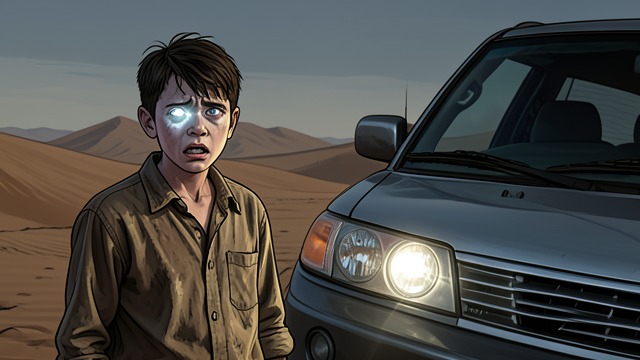
Ismael’s Testimony
Abdellah questions Ismael about the roadside encounter. The boy describes the plan to sell fossils, admits running from the scene, and says David searched Driss’s pockets and removed his identification.
Abdellah recognizes that Ismael is frightened and unreliable, but the account gives him a reason to question David’s version. The details show that Driss was not simply alone beside the road as David claimed.
A Lie as a Moral Act
Abdellah distinguishes an accidental death from a deliberate lie. To him, the collision may have resulted from an event no one fully intended, whereas false testimony would be a choice made afterward.
This distinction governs his later confrontation. He can imagine forgiving an accident more easily than a lie that denies him the truth about his son.
The Knife Lowered
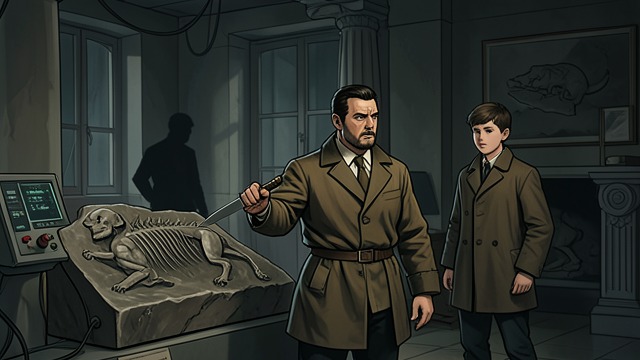
A Moment of Violence
Abdellah finds David outside near a fossil slab and confronts him with a knife. The father has considered revenge, but his mind is not governed by a single settled plan.
He points the blade away and tells Anouar to take David back. David is permitted to leave, although the question of the identification and the concealed witness has not been resolved.
Choosing Restraint
Abdellah experiences his decision as a difficult exercise of control over his darkest impulses. He later regrets not killing David, but understands that his desire for vengeance was also tangled with sorrow over never fully knowing Driss.
His restraint is not a neat reconciliation. He spares David while remaining bereaved, angry, and unsure whether justice has been served.
Several days after Driss is killed
The afternoon Abdellah sees Driss’s body
The day after Abdellah arrives at Azna
The night after Driss’s burial
At first light after Abdellah confronts David
