
Driss’s Crossing and Return
The ForgivenThis flow follows Driss’s account of crossing into Spain, living with the Bloodworths, and returning to the desert with frustrated hopes and a complicated past.
increasing Bearing strength in each event
 decreasing
Bearing strength in each eventdecreasingA Crossing by Sea
Leaving the Desert
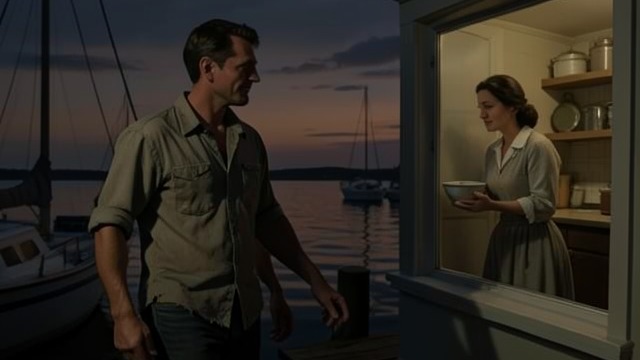
Driss recalls reaching Spain by an illegal boat and swimming ashore near Sotogrande. He arrives without papers or a clear plan, convinced at first that the journey can lead onward to Paris.
The crossing makes Europe feel immediately accessible: he can walk through the marina and reach a road without being stopped. This ease is real but temporary, since he remains vulnerable to police and dependence on strangers.
A New Kind of Exposure
At a gas station, Driss meets Angela Bloodworth, who recognizes his hunger and offers him food and shelter. His story begins to turn from solitary flight into a relationship with people who can choose to help him.
His arrival reveals both his resourcefulness and his precarious status. The destination he imagines is still distant, and each new opportunity brings a different form of dependence.
Shelter at the Farmhouse
An Unexpected Welcome
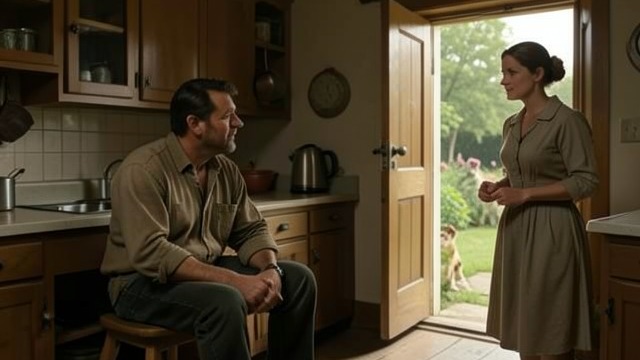
Angela takes Driss to the Bloodworths’ farmhouse, gives him food and dry clothes, and lets him sleep. Roger Bloodworth later offers him work as a gardener with lodging and wages.
Driss views the couple through his suspicion of unbelievers, yet their practical kindness disrupts the simple categories he uses to understand them. Their home gives him safety, but also places him under their rules.
A Conditional Refuge
The Bloodworths restrict Driss’s movements because his undocumented status could expose him and them to trouble. He is hidden from guests and allowed to work on the property rather than move freely.
The shelter is neither a purely disinterested rescue nor simply an act of exploitation. Driss receives real care while experiencing the limits of his freedom as a form of confinement.
The Garden and the Attic
Learning Another Life
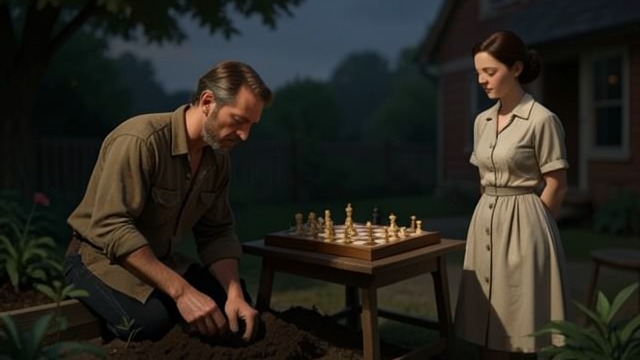
Driss works in the gardens and learns the names and habits of plants from Roger. He experiences a lush, orderly world unlike the dry landscape where he grew up, and he comes to value the rooms and routines Angela has created.
He also plays chess, shares meals, and observes the couple’s habits. Affection develops alongside mistrust, because their kindness does not erase the difference between host and hidden worker.
Longing for Elsewhere
As winter arrives and the guests disappear, Driss grows impatient and turns his attention to Paris again. He understands the Bloodworths’ offer to discuss his future as something more immediately useful than paperwork or gradual planning.
The comfortable room that once seemed like unexpected shelter becomes part of the emotional difficulty of leaving. Driss wants mobility, yet the kindness he resents has given him something he is reluctant to lose.
The Safe and the Knife
A Betrayal Prepared
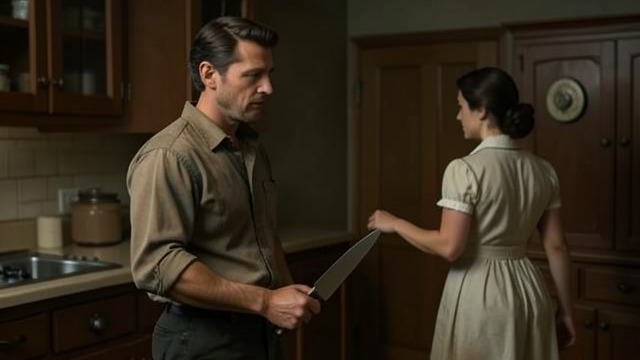
Driss asks Angela about the safe and eventually admits that he wants its money. When she refuses, he forces her toward the cabinet and threatens her with a bread knife until she gives him the combination.
The theft grows out of his desire to finance departure, but the narration shows the gap between his account of necessity and the violence he chooses. He imagines himself correcting a power imbalance even as he terrorizes a woman who sheltered him.
Violence at the Threshold
Driss takes the cash and then kills Angela. His decision moves far beyond theft and permanently destroys the possibility of treating the farmhouse as a temporary refuge.
The crime gives him money and escape momentum, but it also leaves an unspoken history behind him. His later stories to Ismael emphasize survival while obscuring the full moral cost of his choices.
Return to the Quarry
A Changed Young Man
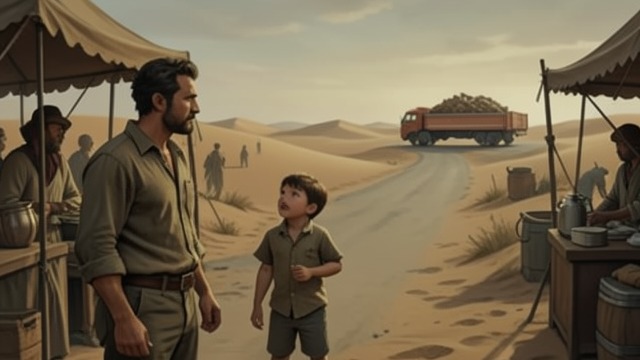
Driss returns to the fossil trade and to life near Erfoud, carrying memories of Spain and Paris that he tells selectively. His return does not deliver the mobility he imagined; he resumes work among the trenches and dealers.
He speaks to Ismael with bravado about Europe, describing its freedoms and humiliations in ways that make the younger boy alternately hopeful and wary. Driss’s accounts are shaped as much by the need to impress as by the need to remember.
The Past Remains Unsettled
Driss’s European experience leaves him neither securely transformed nor fully reconciled to home. He continues to seek money and an exit while remaining tied to the fossil work and relationships of the desert.
His collision with David occurs within this unresolved return. The young man on the road is not simply a local seller but someone whose history includes escape, failure, violence, and a future cut short.
Several years before the collision during Driss’s migration
The morning after Driss reaches San Martín
The first autumn and winter at the Bloodworths’ home
One rainy evening after Roger leaves for England
After Driss returns from Europe to the Erfoud area
