Chefchaouen
The ForgivenChefchaouen is a temporary refuge and waystation in David Henniger and Jo Henniger’s Moroccan journey: a walled city reached after an exhausting drive, where the Hotel Salam’s terrace and an evening walk into the kasbah offer a brief change of pace. The stop does not settle the couple’s larger unease, but it gives their strained marriage a moment of physical closeness before they return to the road.
Approach and arrival
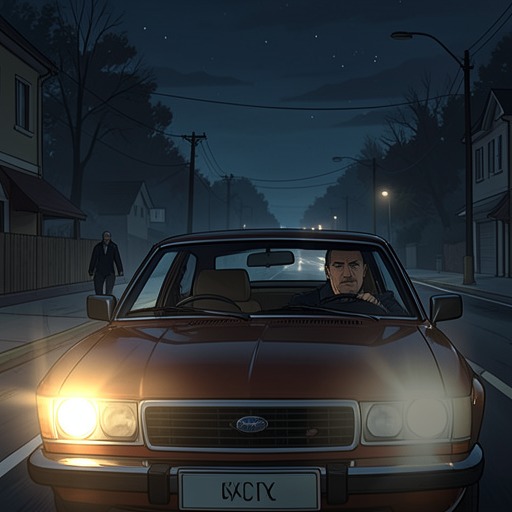
The road to Chefchaouen begins in the battered outskirts of Tangier. David drives an old Camry rented from Avis Tangier, its brakes soft and red leather torn, while the couple travel in silence. The route is lined with stones and orange trees; hillside slums, apartment blocks, and antennas crowd the view. Along the hard shoulder, women in ribboned straw hats push mules, while the traffic includes animals, children, trucks, and broken-down Mercedes. Dust and glare make the drive feel hostile, and David presses on, intent on leaving the city behind.
The landscape retains traces of a less desolate life: gardens remain among the ruined suburbs, alongside crippled lemon and olive trees, empty factories, and a pervasive sense of disillusion. Chefchaouen is reached after this sequence of damage and fatigue, setting up the contrast between the punishing road and the more contained, hospitable spaces of the city.
Hotel Salam and the walled city
The Hotel Salam looks over the Oued el Kebir and a gorge. It stands on Avenue Hassan II, a steep lane of hotels, with the Marrakech and the Madrid nearby and the white city walls rising above the street. Tour buses have already brought visitors to the hotel. Its salon is crowded with Dutch couples eating turmeric eggs at the buffet; David regards them with distaste, and the Hennigers hesitate over whether to join them or remain apart. They choose the hotel terrace instead, where they eat tagine citron and drink cold Boullebemme. Dinner is brief: both are already thinking ahead to the next leg of the journey.
Afterward, David suggests a walk and coffee in the kasbah, saying that the waiters have made him gloomy. The route leads along Avenue Hassan II through Bab El Hammar and the kasbah, by way of Place El Makhzen. In the dimming light, men gather in circles on the square, debating in freshly laundered djellabas and fingering rosaries behind their backs. Children whistle past with shopping bags and peaches. Whitewashed surfaces and angular shadows give the streets a crisp, changing character.
The walk also marks a small shift in the couple’s relation to one another. Jo grips David’s hand, her wedding ring pressing into his palm, as though the contact might hold a few consecutive moments of stability. She reflects that their recent disputes have become only words, readily dissolved by sun and movement. They find Café du Miel beneath a fig tree, where the sloping tables stand on cedarwood legs. The café serves no drinks, but its strong coffee and smoke make David feel at home. The pause does not resolve their tensions; it briefly makes them seem less substantial.
The road beyond the stop
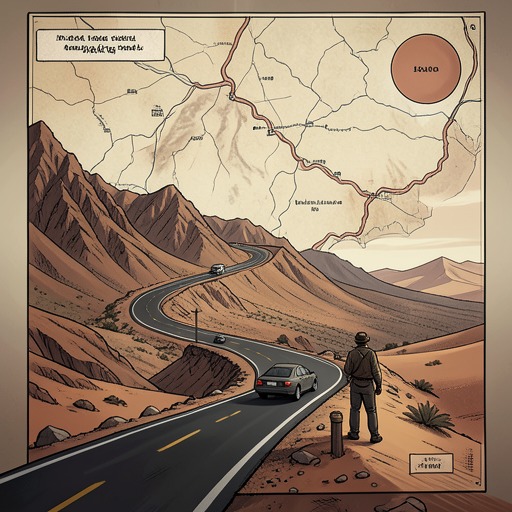
Chefchaouen is one interval in a longer drive rather than a destination where the couple settle. On the road onward, children hold up honey spools and fossilized shark teeth, and the Hennigers stop at the lake of Aguelmane Sidi Ali. Cedar forests cling to the mountainsides; farther on, rain begins at the Col du Zad, where barren rocky fields hiss beneath the drops. Jo follows the Michelin map but questions the trust involved in treating its lines as a complete representation of a country. The headlights pick out barriers, drinn grass, and animals beneath trees, but she remains uncertain of what lies beyond them.
The sequence gives Chefchaouen its narrative function: after the exhausting approach, the hotel meal and kasbah walk briefly restore comfort and connection; the departure returns the couple to uncertain roads and unsettled perceptions. The city’s terrace, square, and café are pauses within motion, not a lasting escape from the strain they carry.