
Grief After the Friend’s Suicide
The FriendThis flow traces the Narrator’s movement from stunned disbelief toward a grief that becomes livable without becoming fully explainable.
increasing Bearing strength in each event
 decreasing
Bearing strength in each eventdecreasingThe Last Conversation

The Last Conversation
An ordinary farewell
The Narrator recalls a final conversation with the Deceased Friend about trauma and blindness. The exchange ends not with a revelation but with an email containing research books and seasonal wishes.
Meaning after the fact
Its ordinary ending becomes charged only later. The absence of a final message leaves the Narrator searching retrospectively for signs without establishing a definitive explanation.
The Memorial

The Memorial
Public remembrance
At the memorial, friends mingle, gossip, and observe the surviving wives while a slideshow recalls the Deceased Friend’s youth. The gathering’s literary sociability sits uneasily beside the finality it is meant to honor.
A person receding
The Narrator finds that eloquent remembrances make the dead man feel less accessible, more like a hologram. Public speech cannot restore the private relationship that grief wants to preserve.
The Unvisited House

The Unvisited House
Avoiding the rooms
The Narrator fears entering the Deceased Friend’s home, where clothing, books, and familiar smells could make the loss immediate. She is also unwilling to be undone in front of his widow.
Separation and longing
Avoidance protects her from a sudden emotional collapse, but it also marks how thoroughly the death has altered ordinary places. The house remains his in her mind even after his death.
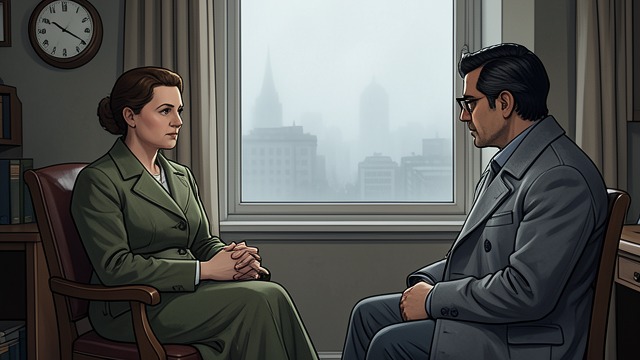
The Therapist’s Questions

The Therapist’s Questions
Symptoms of loss
The Narrator describes fog, exhaustion, disorientation, fear, anger, and social withdrawal to the Current Therapist. He identifies these experiences as recognizable forms of bereavement.
A limited easing
Talking does not resolve the death or explain it. By the fourth or fifth session, however, the Narrator notices a small improvement and can name the plain fact beneath her evasions: she misses her friend.
A Possible Release
A Possible Release
Memories without certainty
The Narrator revisits her closeness with the Deceased Friend and still cannot say whether she was in love with him. The question matters less than the reality of an attachment she cannot neatly classify.
Letting go without closure
She senses a preparation for release, not a cure or a final answer. Grief changes shape while retaining its place in her life, and the Narrator accepts that it cannot be hurried.
Shortly before the death
Weeks after the death
Early in the bereavement
Months after the death
Near the end of the book
