
Writing as a Difficult Vocation
The FriendThis flow traces the Narrator’s struggle to continue writing amid grief, shame, professional competition, and doubts about literature’s value.
increasing Bearing strength in each event
 decreasing
Bearing strength in each eventdecreasingA Teacher’s Warning

A Teacher’s Warning
Choosing hardship
The Narrator’s first writing teacher says that anyone able to do another kind of work should choose it instead. The warning treats writing as a vocation marked by difficulty rather than a reliable route to happiness.
A question of necessity
The advice stays with the Narrator as students and colleagues pursue literary ambition. It frames writing not as an easy expression of self but as a demanding choice that may not be justified by success.
The Deadline Missed

The Deadline Missed
Work stops
The Narrator walks often but cannot write, misses a deadline, receives an extension, and misses that too. Her editor suspects that she is malingering, while she knows grief has disrupted her ability to work.
An empty prompt
A computer asks whether she is writing a book, then offers a suicide hotline. The competing messages reduce private distress to prompts, but neither makes writing possible.
The Workshop Assignment
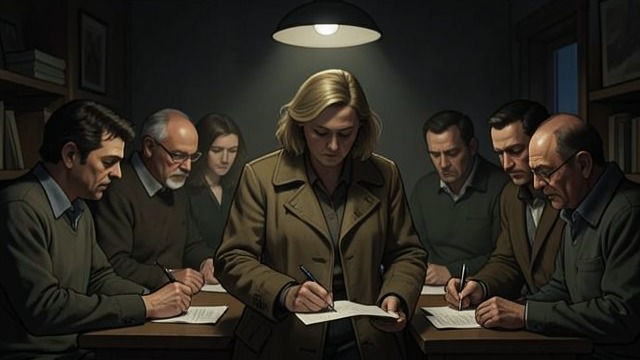
The Workshop Assignment
Teaching through pain
The Narrator leads a workshop for survivors of trafficking, asking participants to write quickly and share if they choose. Their histories confront her with violence that resists neat literary form.
A troubling lesson
Their repeated images and limited vocabulary teach her that real evil can be monotonous rather than imaginatively varied. The experience deepens her skepticism that turning suffering into a compelling story automatically helps anyone.
A Draft Read Aloud
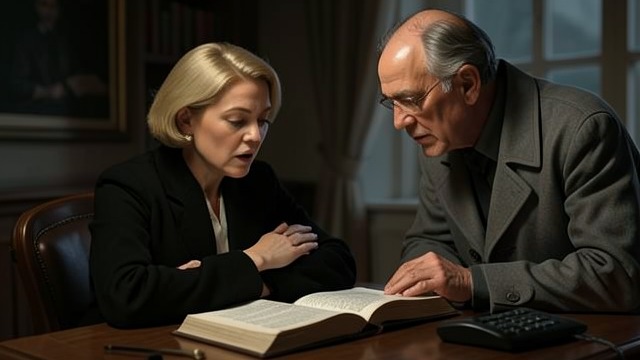
A Draft Read Aloud
Trying a practical method
The Narrator reads her pages aloud in hopes of remaining at her desk and hearing what fails. The sentences still sound wrong, and she folds her arms over the manuscript in despair.
A different listener
Apollo approaches, nudges her, and settles beside her while she reads Rainer Maria Rilke. His presence does not repair the prose, but it makes the act of reading bearable.
Continuing Without Certainty
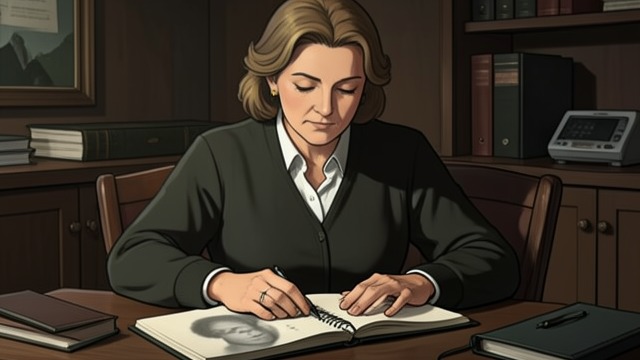
Continuing Without Certainty
Writing and confession
The Narrator recognizes that writing can lead to confession as well as invention and lies. She remains unsure whether writing will preserve the Deceased Friend or bury him beneath the account.
A compromised practice
The book offers no triumph over writer’s block or grief. The Narrator’s return to writing is partial, shaped by doubt about what art can accomplish and what it takes from its subjects.
The Narrator’s first writing course
Early in the book
During the months after the death
After Apollo settles into the apartment
Near the end of the book
