
The Workshop and Its Survivors
The FriendThis flow follows the Narrator’s work with survivors of trafficking and the ethical limits she encounters when their experiences become material for writing.
increasing Bearing strength in each event
 decreasing
Bearing strength in each eventdecreasingThe Invitation
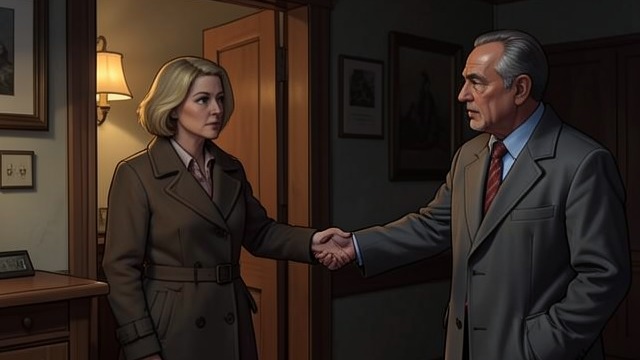
The Invitation
An old friend’s request
A psychologist friend asks the Narrator to teach writing at a treatment center for human-trafficking survivors. The Narrator is drawn by community service, friendship, and her identity as a writer.
Hope and caution
She remembers a former student whose writing seemed to have helped her survive. Yet the Deceased Friend’s skepticism about writing as self-help makes the invitation feel ethically complicated from the outset.
Private Journals
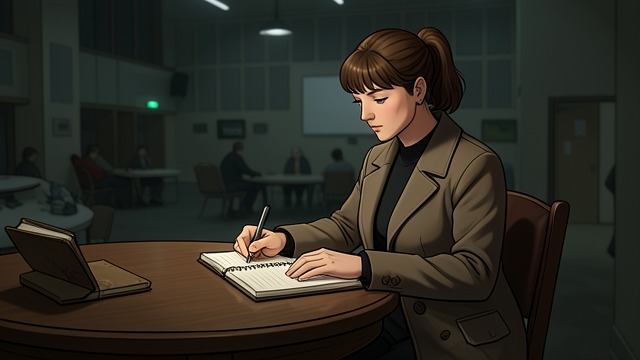
Private Journals
Protecting choice
Participants are encouraged to journal privately, in their own language if useful. Some hide their notebooks, some carry them, and some destroy what they write; the psychologist accepts each choice.
A workshop boundary
The Narrator is instructed not to use the women’s writing. The boundary establishes that creative work belongs first to its writers, not to the visiting author’s research or publication plans.
Stories of Harm
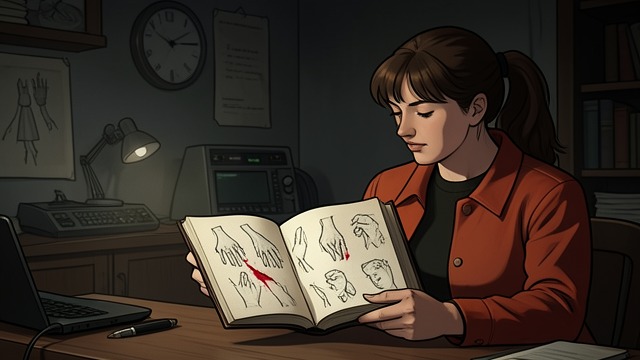
Stories of Harm
Repeated violence
The Narrator reads accounts filled with beating, choking, hunger, and humiliation. Images of weapons, scars, and wounds recur across stories and fairy tales.
Monotony rather than spectacle
The material does not resemble the varied evil of imaginative fiction. Its repetition teaches the Narrator that real harm can be barren and predictable, a discovery that resists turning trauma into literary excitement.
The Ethics of a Book
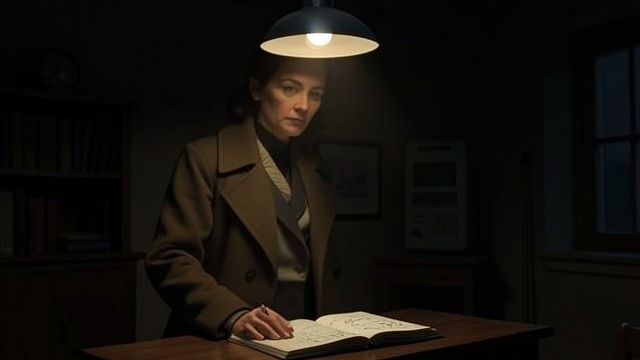
The Ethics of a Book
Material and responsibility
The Narrator has a contract to write about the work at the center, but she worries that polished prose would make the victims’ suffering serve her career. Research does not guarantee understanding or practical aid.
A refusal to shape trauma
She cannot continue writing the piece. Fiction feels no safer: inventing vivid characters from real survivors would risk mythologizing their pain.
The Abandoned Piece
The Abandoned Piece
An unfinished obligation
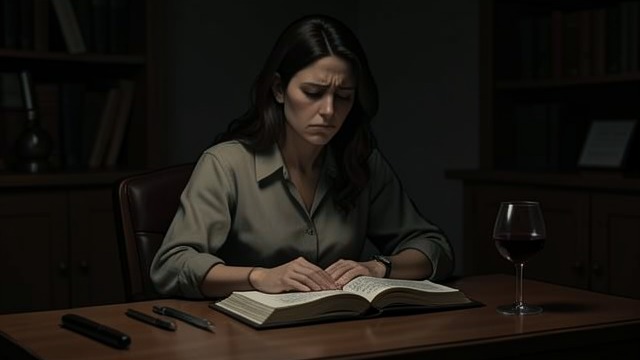
The Narrator admits that she dropped the project, despite wanting to complete it and having gathered substantial research. Her reasons include guilt, nausea, and distrust of the writer’s privileged position.
A question left open
The decision does not settle whether bearing witness is a duty or an appropriation. It exposes the cost of both writing and refusing to write about suffering.
After the Narrator’s last conversation with the Deceased Friend
Before the first workshop session
During the workshop
After the workshop sessions begin
Later in the book
