
The Film of Lilya
The FriendThis flow traces the Narrator’s encounter with Lilya’s fictionalized exploitation and suicide, which tests her ideas about trauma, witness, and consolation.
increasing Bearing strength in each event
 decreasing
Bearing strength in each eventdecreasingAbandoned at Home
Abandoned at Home
A girl left behind
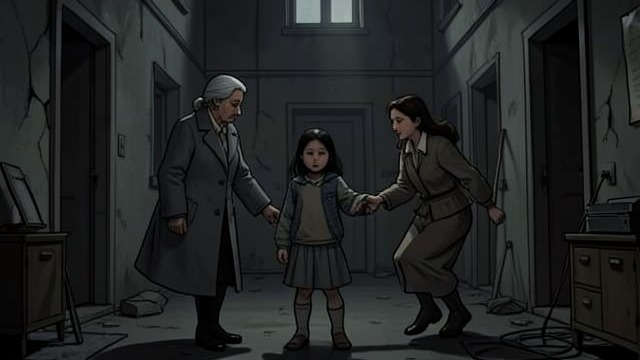
In the film, Lilya lives in a bleak housing project in the former Soviet Union. Her mother leaves for Sweden, and an aunt forces her from the apartment, leaving her poor and isolated.
A narrowing future
Lilya turns to prostitution amid cruelty and betrayal. Her friendship with Volodya offers moments of care, but neither child has the resources to escape the conditions surrounding them.
A Promise of Rescue

A Promise of Rescue
Hope through a stranger
A young Swede named Andrei promises Lilya a new life in Sweden. She falls in love with him and accepts the chance, leaving Volodya behind.
The cost of departure
Volodya responds to the loss of his only friend by killing himself. He continues to appear as an angel, a visual consolation that cannot undo the consequences of the separation.
The Locked Apartment
The Locked Apartment
A false refuge
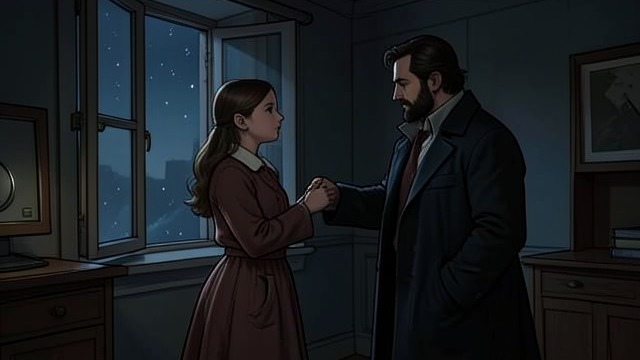
Lilya arrives alone and is taken to a tower apartment, where a man locks her in and rapes her. The promised rescue becomes another form of captivity.
Violence made ordinary
Clients of varied ages exploit her despite her youth and unwillingness. The film depicts a social system that treats her abuse as if it were the purpose of her existence.
The Bridge
The Bridge
An attempted escape
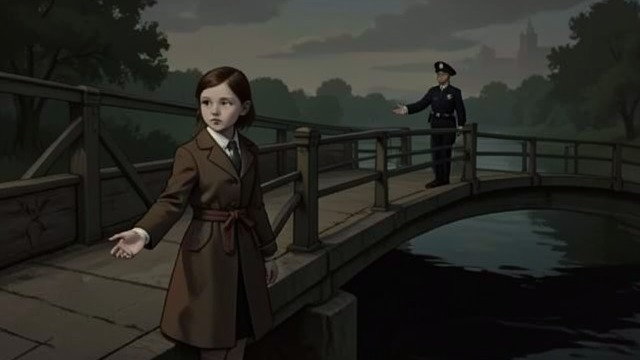
After Lilya’s first escape attempt ends in capture and beating, she reaches an expressway bridge. A policewoman is nearby, but panic overtakes her before help can reach her.
A fatal jump
Lilya jumps from the bridge. Volodya appears as an angel after her death, but the image cannot erase the violence or restore the life she might have had.
A Story Found Afterward
A Story Found Afterward
Letters as evidence
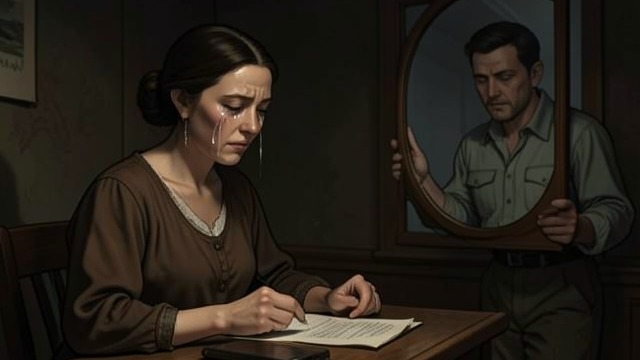
The real girl on whose life the film was based left letters on her body after jumping. Those letters became the means by which her story was known.
The limits of witness
The Narrator remembers being humiliated by her own tears and by another audience member’s sobbing. The scene raises the question of whether representation can honor victims without converting pain into spectacle.
During the Narrator’s earlier viewing of the film
The middle of the film
After Lilya reaches Sweden
Near the film’s ending
After the film’s release
