
Explaining Suicide
The FriendThis flow traces the Narrator’s struggle with explanations of suicide, from public moral judgments and clinical questions to a more guarded acceptance of mystery.
increasing Bearing strength in each event
 decreasing
Bearing strength in each eventdecreasingA Memorial Debate
A Memorial Debate
Judgment after death
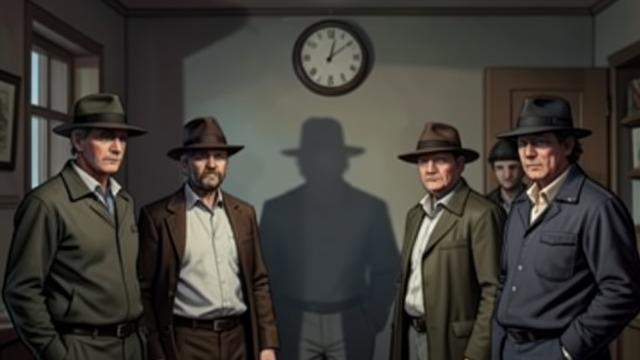
People discuss atheism, religion, and the Deceased Friend’s choices. The Narrator hears a disagreement about prayer and an obituary claim that knowledge and religion require a choice.
Interpretations multiply
Even a brief memorial becomes a place for people to impose views on the dead. The Narrator notices how quickly explanation can become moral judgment rather than knowledge.
The Public Vocabulary

The Public Vocabulary
Condemnation on the radio
A program about suicide loss collects words such as selfish, cowardly, sinful, and irresponsible. The Narrator finds none of the familiar accusations helpful to those left behind.
A contested moral question
Books on suicide offer historical views ranging from condemnation to limited acceptance of voluntary death. The range complicates any claim that one moral account has always settled the matter.
Risk and Specificity

Risk and Specificity
A clinical question
The Current Therapist explains that clinicians may ask people considering suicide how they would act. A specific plan can signal greater immediate danger and require a stronger response.
Knowledge with limits
The Narrator is struck by the practical precision of the question, especially as she reflects on her own thoughts. Clinical assessment can identify risk, but it cannot retrospectively disclose what the Deceased Friend privately intended.
The Narrator’s Anger
The Narrator’s Anger
A choice she cannot hold
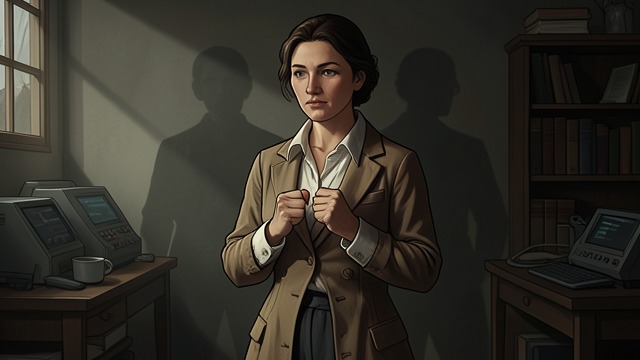
The Current Therapist reminds the Narrator that the Deceased Friend made a choice. The Narrator often forgets this and experiences the death instead as an accident outside the natural order.
Love and blame
She does not direct anger toward him, partly because she thinks suicide may sometimes be justified. Her response is not a settled argument but a personal attempt to make compassion coexist with the fact of choice.
Leaving Silence Intact

Leaving Silence Intact
A widow’s example
The Narrator remembers a woman whose young husband died by suicide. She eventually decided that he had chosen silence and that she should leave him his mystery.
An uneasy acceptance
The Narrator cannot stop asking why her friend died, but begins to see that no account can guarantee an answer. Respecting silence becomes one possible way to live with the unanswered question.
At the memorial gathering
During the year after the death
During therapy
Several months after the death
Near the conclusion
