
The Narrator’s Bereavement
The FriendThis flow follows the Narrator’s physical, emotional, and social responses to a friend’s death, from disorientation toward a cautious capacity to continue.
increasing Bearing strength in each event
 decreasing
Bearing strength in each eventdecreasingDisorientation

Disorientation
Daily life falters
The Narrator forgets appointments, loses track of errands, arrives without lecture notes, and wonders whether she has spoken sensibly. A sympathy card can leave her crying for an hour.
Grief as altered reality
The disturbances do not feel like ordinary sadness. They make familiar classrooms and streets seem unreal, as if the death has damaged her ability to stay oriented in the living world.
Fear of the House
Fear of the House
Avoiding reminders
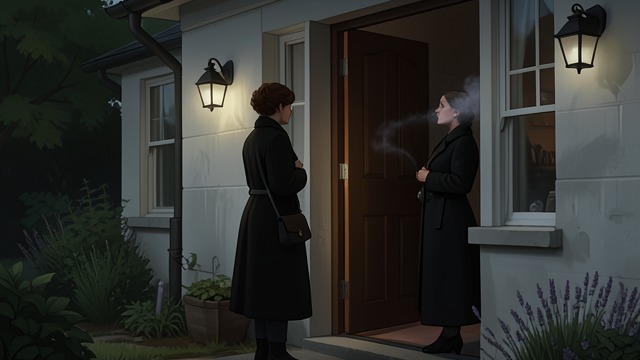
The Narrator cannot bear to enter the Deceased Friend’s home, fearing a familiar garment or smell will undo her. She also resists memorial talk because it seems to replace the person with polished accounts.
A private attachment
Her avoidance reflects both shock and the unusual intimacy of their long friendship. She is not ready to let others define what the dead man meant to her.
Anger in the Street

Anger in the Street
A world still populated
At rush hour the Narrator seethes at ordinary people who remain alive while her friend is gone. Her anger then turns toward students and small mistakes, finding outlets unrelated to its source.
The difficulty of blame
The Current Therapist observes that she directs no anger toward the Deceased Friend. The Narrator understands that suicide was a choice, yet often experiences it as a freak event outside ordinary agency.
Speaking with a Therapist
Speaking with a Therapist
Naming the symptoms
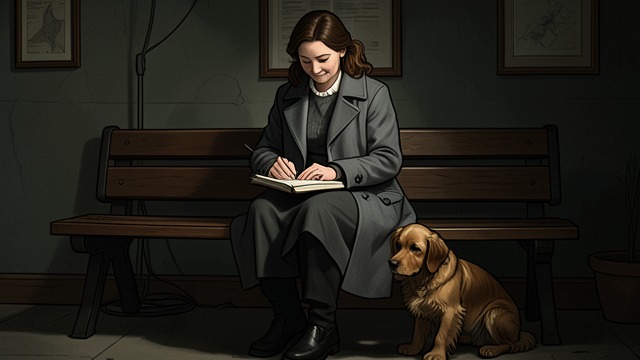
The Narrator describes exhaustion, forgetfulness, fear, and a sense of living with one foot in madness. The Current Therapist asks about dreams and memories but does not make them yield a single interpretation.
A small change
The Narrator eventually tells Apollo that she feels somewhat better. Improvement arrives in a modest sentence, not a dramatic breakthrough, and does not cancel her longing.
A Possible Letting Go

A Possible Letting Go
The loss remains
The Narrator still says she misses the Deceased Friend every day. She resists the idea that healing must mean losing the feeling or declaring the matter closed.
Preparing to continue
She notices a change that resembles release, though she cannot name it confidently. The book ends with grief still present but no longer the only imaginable future.
The early weeks after the death
During the first months
Several months after the death
Months after the death
Near the conclusion
