Holkham
The Girl on the TrainHolkham is a coastal village in north Norfolk whose isolated cottage, dunes, sea, and disused railway become inseparable from Megan Hipwell’s formative years and the secret surrounding her baby Libby. The landscape first offers Megan a secluded life with Mac, but after Libby’s death its remoteness becomes part of her loneliness and enduring guilt. Years later, the discovery of Libby’s remains and the graveside visit by Rachel Watson give Holkham a second role: a place where buried history is acknowledged and the dead are no longer left unmarked beside the tracks.
Setting and Landscape
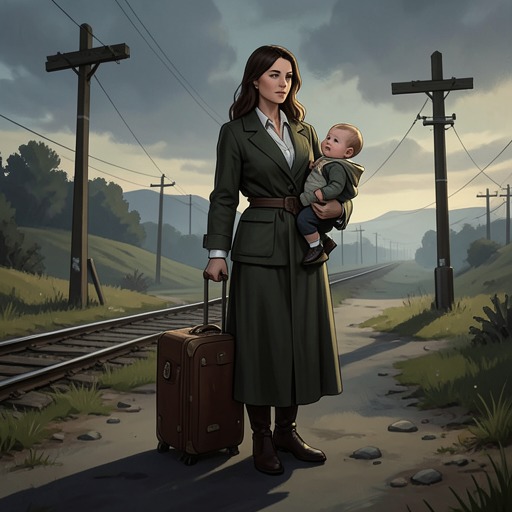
The Holkham associated with Megan’s past is a rural coastal setting, not simply a village name. Mac’s old stone cottage stands at the end of a lane, about half a mile from the beach, with land around it and an old railway track running along one side of the property. The place is described as isolated: a couple of miles to the nearest neighbour and a little farther to the nearest shops. The grass, dunes, and restless grey sea shape the physical world of the cottage, while the railway supplies a quieter, persistent line of connection to elsewhere.
Megan’s memories make that combination of remoteness and movement especially striking. At night, lying awake in the cottage, she imagines hearing trains and thinks she might get up to look for their lights. The track is real, but the journey is imagined: the trains suggest a world beyond the lane, while Megan remains in a house set apart from ordinary company. Rachel later evokes Holkham from the window of The 8.04 train, recalling its dunes, wind, slate-coloured sky, and a ghostly train on a rusted track. From the commuter route, the place becomes both landscape and longing, a remembered coast that seems far removed from the repetitive journey into London.
Megan’s Years with Mac
Megan moves to the Holkham area as a teenager and lives with Mac in the cottage for about three years. She first meets him in Ipswich after the funeral of her brother, Ben Mills. He is working in a pub, takes pity on her, and brings her home; when she asks him for money, he refuses to have sex with her and waits until her sixteenth birthday. He has moved by then to the old house near Holkham. Megan later recalls being happy there with him, and says she left when she was nineteen.
The household changes over time. At first, parties bring people into the cottage, with guests sleeping in the living room or in a hammock outside during summer. Eventually Mac falls out with their friends, visits stop, and the two are left largely alone. They sometimes go days without seeing anyone and buy groceries at a petrol station. Megan recalls that she needed this secluded life after the experiences that preceded it, and that she valued the two of them, the old tracks, the grass, the dunes, and the sea. The landscape therefore carries a genuine sense of shelter in her account, even as its isolation later takes on a darker meaning.
Libby’s Death and the Buried Secret
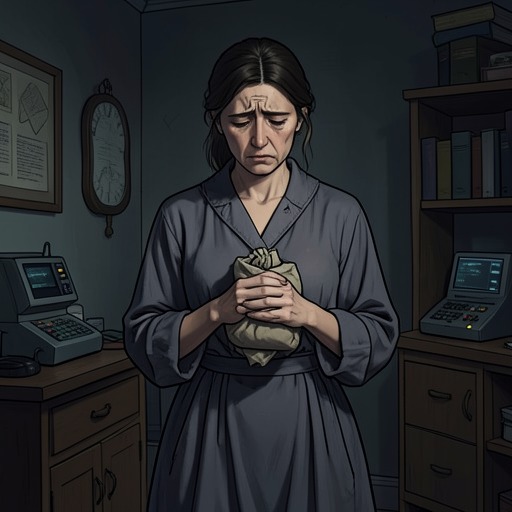
After Libby dies, Megan and Mac bury her at the edge of the property, near the disused railway line. Megan wraps the baby in a sheet; Mac digs the grave, and they place stones over it. They do not discuss what has happened. That night Mac leaves, saying he has to meet someone, and never returns. Megan is left alone in the house, frightened by the silence and by memories of Libby. The property that had offered privacy and refuge becomes the setting of a secret she carries without help.
The burial remains hidden for years. After Megan’s body is found in Corly Woods, police receive information about a possible unlawful killing and discover human remains buried in the garden of a house near Holkham. The report makes the earlier private act part of the public investigation into Megan’s death. It also changes the meaning of the railway-side grave: a place where Megan and Mac had tried to conceal Libby becomes evidence through which the past can be recovered. The remains are later identified in the reporting as Libby’s, and the child is buried near Megan’s ashes.
Rachel’s Imagined and Actual Return
Holkham reaches Rachel first as an imagined destination. Looking out from the train, she associates the coast with escape and with the journeys she once dreamed of taking with Ben. On other mornings she travels there in memory, picturing the dunes, the sea, and the run-down cottage as a lost world. Her recurring train journeys are real, but the coast they summon is distant; Holkham becomes a counter-image to the familiar commute and its fixed timetable.
After Libby’s remains are found, Rachel hires a car and drives to Holkham. At a church just outside the village, she finds the graves of Megan and Libby. Megan’s grave lies at the far corner of the churchyard, nearly concealed beneath fir trees; its marker gives her name and the dates of her life, without describing her as a wife, daughter, or mother. Libby’s stone bears only her name. Rachel understands that Megan is no longer alone beside the railway tracks: the burial has given mother and child a marked resting place together. Her visit completes Holkham’s movement in the story from imagined refuge, to site of hidden grief, to a place where the losses can at last be publicly named.