Rachel and Tom divorce
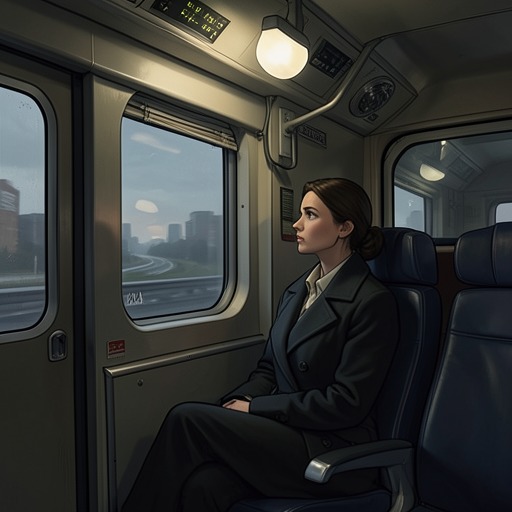
The Girl on the TrainRachel and Tom divorce after a marriage Rachel remembers as beginning in happiness and shared possibility. The novel offers no account here of the divorce proceedings; instead, Rachel looks back on the hopes they built together and wonders when their life as a couple began to falter. In the present, Tom is identified as her ex-husband, and she has kept his surname for convenience, a small practical remnant of their former life together.
The Marriage Before Its Decline
Rachel recalls meeting Tom after her father’s death, when he helped her through grief. Their marriage followed seven years before the events she is recounting, on a May day she remembers as strangely wintry. At the time, she describes herself as happy, financially secure, and successful. Her recollection emphasizes not a troubled beginning but a life that seemed to be opening outward.
They moved into 23 Blenheim Road when Rachel was twenty-six. She remembers walking through the larger house without shoes, feeling the warmth of the wooden floorboards and imagining its empty rooms gradually filled. She and Tom made plans for the garden and the walls, and Rachel was already thinking of the spare room as a baby’s room. In her memory, the home embodied a future they expected to make together.
Rachel’s Account of the Turning Point
Looking back, Rachel wonders whether the trouble began when she stopped imagining herself and Tom simply as a couple and began picturing them as a family. She does not present this as a settled explanation: she asks whether that expectation made the life they already had seem insufficient, and whether Tom came to mirror her disappointment. The distinction matters. The passage reveals Rachel searching for a point at which their relationship changed, not establishing a single cause for the divorce.
Her reflection also carries a sense of guilt. Rachel considers what Tom had given up so that they could be together and wonders whether she made him feel that he was not enough. The memory recasts her wish for a child as more than a private hope: in her retrospective account, it may have altered how she understood their marriage and what she believed it needed to become. The text does not specify when the marriage ended or describe the separation itself.
Aftermath and Narrative Perspective
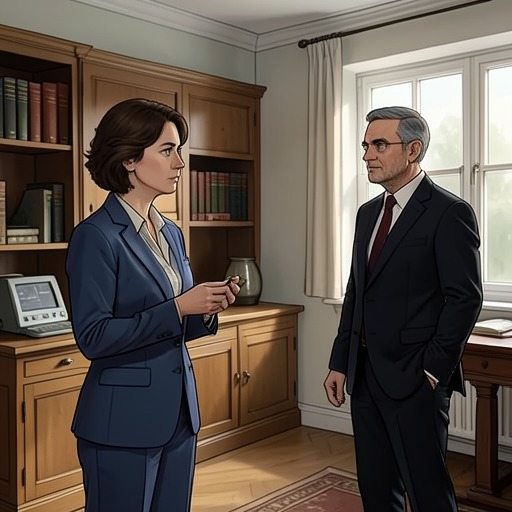
By the time Rachel refers to Tom in conversation with a detective, she calls him her husband before correcting the description to ex-husband. She confirms that she wanted to see him but decided against it and went home. The exchange shows that the former relationship remains immediate enough to shape her actions, even as its legal status is clear.
Rachel explains that she kept the Watson surname because changing her credit cards, email address, and passport would have been inconvenient. The practical explanation gives the divorce a quiet, unresolved afterlife: the marriage is over, but its name remains attached to her daily identity. Across these recollections, the novel presents the divorce less as a discrete scene than as a loss Rachel tries to interpret, moving between the promise of the house and the family she imagined and the uncertainty of when that promise began to fail.