
The Investigation of Institutional Power
The Girl with the Dragon TattooThe novel traces how guardianship, corporate ownership, journalism, and law can protect people or become instruments of coercion.
increasing Bearing strength in each event
 decreasing
Bearing strength in each eventdecreasingProtective Law
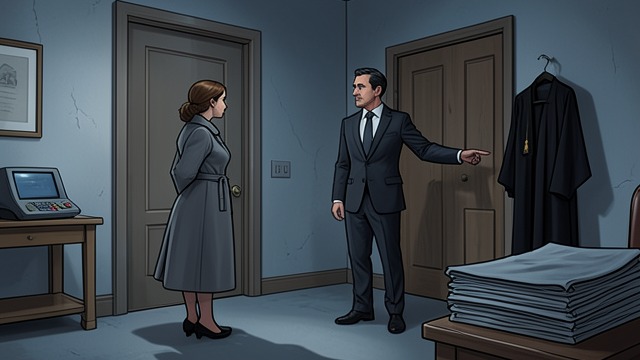
Official Protection
The System
Swedish guardianship is designed to assist vulnerable adults.
The Contradiction
The same structure removes Lisbeth Salander's control over money and choices.
Protection without accountability becomes captivity.
Private Authority

The Guardian's Abuse
The Power
Nils Erik Bjurman uses legal authority to demand obedience.
The Exposure
Lisbeth Salander proves that respectable status does not guarantee moral behavior.
Institutional legitimacy is separated from ethical legitimacy.
Corporate Control

Ownership as Pressure
The Leverage
The Vanger family uses shares, advertising, and board seats to influence Millennium.
The Question
Financial rescue threatens editorial independence even when it prevents collapse.
Power operates through contracts as well as violence.
Journalistic Resistance

Publishing Against Power
The Evidence
Millennium publishes records that powerful financiers tried to conceal.
The Responsibility
The magazine must balance public interest with source protection and legal exposure.
Journalism becomes a contest over who controls reality.
Ethical Limits

Truth and Harm
The Choice
Mikael Blomkvist refuses to publish the story of Harriet Vanger's abuse and Martin Vanger's crimes.
The Cost
He accepts that silence may protect a survivor while denying unknown victims public recognition.
Ethics becomes judgment under impossible conditions.
Salander's adolescence
December to March
January to July
November
December 30
