
The Tragic Logic of Destiny
The GodfatherThis flow traces how characters interpret destiny as both explanation and excuse for choices that reshape their lives.
increasing Bearing strength in each event
 decreasing
Bearing strength in each eventdecreasingVito's Doctrine
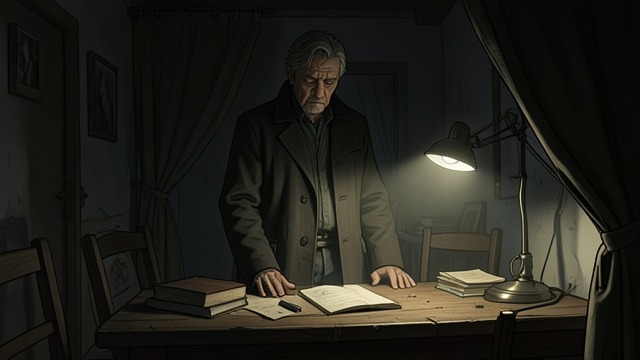
Vito's Doctrine
Fate and Choice
Vito Corleone interprets his escape from Sicily and encounter with Fanucci as evidence that a man has one destiny.
Moral Permission
Destiny does not merely describe his life; it authorizes violence as the path he was meant to follow.
Santino's Inheritance
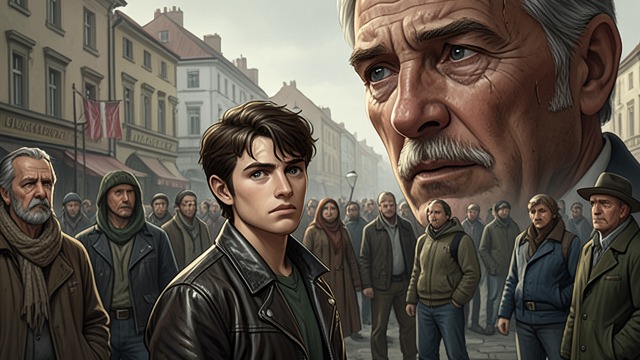
Santino's Inheritance
Witnessed Violence
Santino sees Vito Corleone kill Fanucci and interprets the act as proof of manhood and family power.
Chosen Path
His decision to join the Family seems voluntary, but the example of his father narrows the future he can imagine.
Michael's Resistance
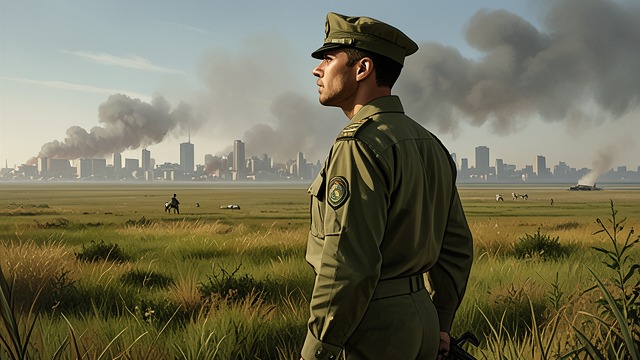
Michael's Resistance
American Choice
Michael Corleone volunteers for the United States Marine Corps against his father's wishes.
Temporary Escape
Military service and college offer another destiny, but family danger later draws him back. His resistance gives the eventual surrender greater weight.
Apollonia's Fate

Apollonia's Fate
Possessive Future
Michael imagines a permanent Sicilian life with Apollonia Vitelli and treats their marriage as a new beginning.
Fatal Interruption
The bombing demonstrates that destiny in the Family's world is enforced by enemies, not merely chosen by individuals.
Michael's Acceptance
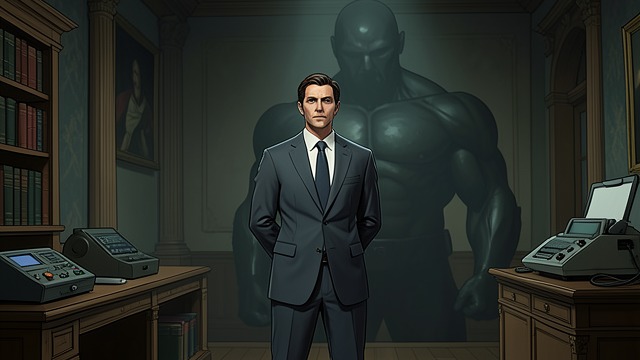
Michael's Acceptance
Inherited Role
Michael finally accepts that he is Vito Corleone's son in the most consequential sense: he can command, deceive, and punish.
Unresolved Future
He promises a legitimate future for his children while preserving the machinery that makes that future possible. Destiny becomes a cycle disguised as protection.
During Vito Corleone's youth
During Santino Corleone's adolescence
During World War II
During Michael and Apollonia's marriage
Near the ending
