
The Story's Repeating Cycles
The GodfatherThis flow traces how the novel repeats patterns of protection, betrayal, revenge, and institutional transformation across generations.
increasing Bearing strength in each event
 decreasing
Bearing strength in each eventdecreasingFanucci's Pattern
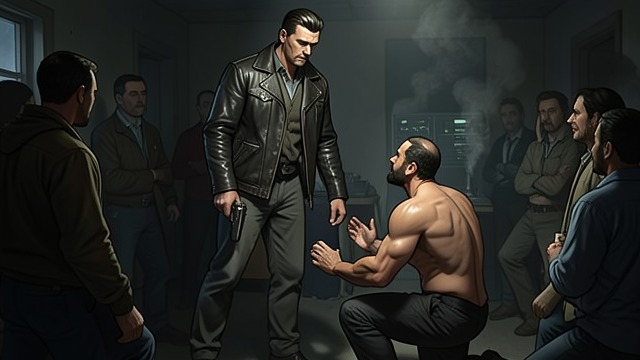
Fanucci's Pattern
Local Tyranny
Fanucci demands tribute through fear and assumes that violence alone guarantees obedience.
Vito's Replacement
Vito kills him and inherits authority by offering more measured protection. The first cycle establishes the pattern later repeated against rival Families.
Maranzano's Pattern
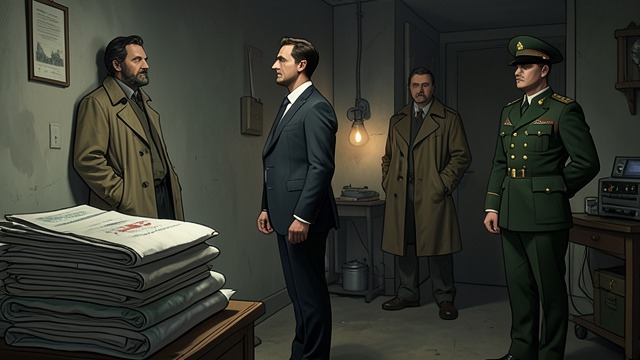
Maranzano's Pattern
Territorial Conflict
Vito Corleone defeats Salvatore Maranzano by combining intelligence, organization, and selective violence.
Peace Through Absorption
The victorious Family incorporates the old empire, showing that stability in this world follows conquest rather than reconciliation.
Sollozzo's Pattern
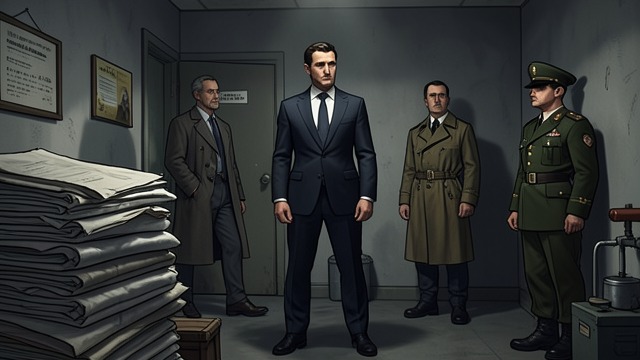
Sollozzo's Pattern
Modern Challenge
Virgil Sollozzo represents a younger, more commercially aggressive criminal order built around narcotics.
Failed Transition
His attempt to force Vito Corleone into the new economy triggers violence and accelerates the succession he hoped to control.
Barzini's Pattern
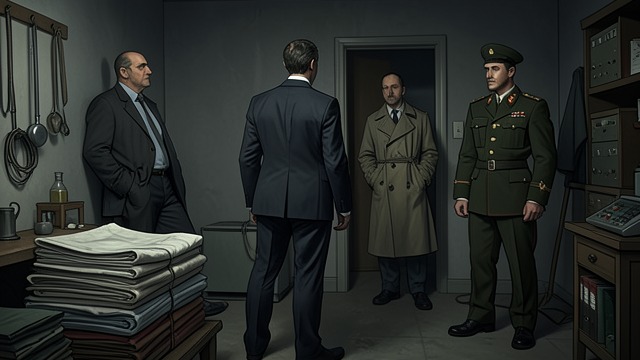
Barzini's Pattern
Indirect Domination
Emilio Barzini uses allies, provocations, and apparent diplomacy rather than direct confrontation.
Repeated Miscalculation
He assumes Michael Corleone lacks Vito's power, repeating the error of every rival who mistakes quietness for weakness.
Legitimacy's Pattern

Legitimacy's Pattern
Transformation Without Repentance
The Corleone Family moves from protection rackets into casinos, hospitals, construction, and civic influence.
New Appearance
The criminal structure survives by becoming respectable. The final cycle is not an escape from power but its adaptation to modern society.
During Vito Corleone's youth
During the 1933 New York underworld war
During the first Family war
After the Corleone peace conference
Near the ending
