
Women, Work, and Domestic Expectations
The GodmotherThe women around Rachel illustrate different costs of combining ambition, care, marriage, and social expectations in a culture that rarely distributes those burdens fairly.
increasing Bearing strength in each event
 decreasing
Bearing strength in each eventdecreasingA Career Built in a Male World

A Career Built in a Male World
Rachel develops a successful advertising career in a workplace where senior authority and high-value opportunities remain shaped by male colleagues.
Competence on Display
She learns to speak directly, manage major clients, and defend her ideas. Her success is substantial, but it does not prevent colleagues from questioning her motives or treating ambition as unfeminine.
The Unequal Cost
Rachel’s professional confidence is repeatedly interpreted through gendered assumptions. The novel presents advancement as earned work conducted within a culture that continues to discount women’s authority.
Anita’s Juggling Life

Anita’s Juggling Life
Anita tries to write while caring for young children and managing a marriage strained by Giles’s work and absence.
Work at the Margins
Her professional ambitions have not disappeared, but they compete with childcare and the daily need to keep the household running. A rare commission becomes difficult to pursue when the family is in crisis.
Invisible Labor
Anita’s interruptions and exhaustion expose how women are expected to combine paid work with constant domestic attention. The strain is personal, but its conditions are social.
Naomi’s Domestic Investment
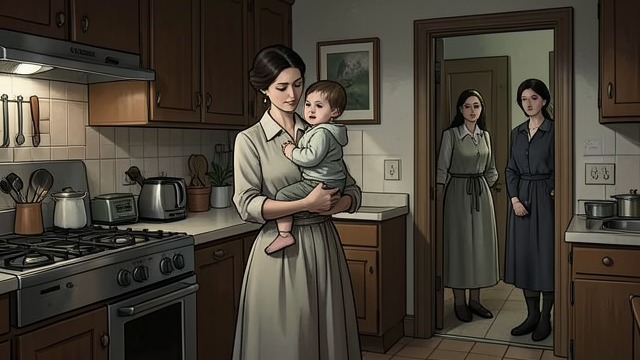
Naomi’s Domestic Investment
Naomi devotes her education and former media career to creating an orderly home and raising four daughters.
A Meaningful Choice
Her work in the family is skilled and substantial, even when it earns no salary. Rachel respects Naomi’s commitment without assuming that she herself could live by the same priorities.
Dependence as Risk
When the marriage collapses, Naomi discovers that years outside paid employment have made independence harder. The story questions any arrangement that treats women’s unpaid labor as financially secure.
The Pressure to Marry

The Pressure to Marry
Margaret and Henry repeatedly treat Rachel’s single status as a problem they might solve by arranging introductions.
Concern as Control
Their efforts come from parental hope, but they also imply that a woman’s life remains incomplete without a husband. Rachel experiences that assumption as criticism of her choices.
A Wider Social Script
Luke Berenson’s presence makes the matchmaking effort visible as a social ritual rather than a unique family quirk. The episode shows how unmarried women are expected to explain themselves.
Different Forms of Care

Different Forms of Care
Rachel grows more involved with her godchildren while reconsidering whether motherhood must define her future.
Care Beyond Motherhood
Her time with Jessica, Charlotte, and Leo gives her genuine intimacy and responsibility without making her their parent. She discovers pleasure in attention rather than ownership.
A Broader Definition
The novel does not dismiss the desire for a child, but refuses to make it the only valid fulfillment for a woman. Rachel’s future remains open to work, friendship, and chosen forms of family.
During Rachel’s rise at McKenzie Cartwright
During the autumn scenes at the Cavanagh home
During the years before Graham asks for a divorce
During Rachel’s Sunday visit to her parents
In the final weeks of the story
