
The Agency’s Gendered Culture
The GodmotherThe agency’s routines and leadership reveal how women’s competence can be welcomed when useful yet discounted when they claim authority or report harm.
increasing Bearing strength in each event
 decreasing
Bearing strength in each eventdecreasingThe Exceptional Woman

The Exceptional Woman
Rachel becomes one of the agency’s most senior women, valued for her results while remaining conspicuous among male colleagues.
Merit and Suspicion
She earns client trust and manages complex accounts, yet colleagues circulate rumors that she advanced through sexual relationships. Melissa recognizes the unfairness of those claims.
Success Does Not End Bias
Rachel’s professional standing makes her exceptional without changing the culture around her. Her achievements are repeatedly interpreted through gender rather than simply judged as work.
The New-Business Appointment
The New-Business Appointment
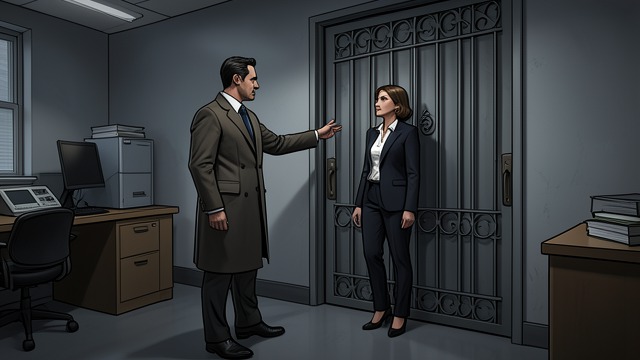
The agency imports Cliff to lead pitches, while Rachel argues that new-business opportunities should be shared among existing directors.
Authority Protected
Alan treats the arrangement as business necessity and expects Rachel not to take it personally. Her objection is framed as emotion even though it concerns workload and professional access.
A Familiar Imbalance
The decision signals that a man brought in from outside may be trusted with visible opportunities while a woman with established success remains tied to servicing difficult accounts.
The Patronizing Address

The Patronizing Address
Alan calls Rachel “my dear” while telling her that Cliff will take part in the client weekend she created.
A Small Phrase, Larger Meaning
Rachel notices that no equivalent form of address is used for the men at the table. The language makes her feel managed and diminished despite her senior position.
Dissent Discouraged
Alan warns against visible internal conflict, effectively asking Rachel to absorb a decision she rejects. The episode links everyday sexism to the larger exclusion of women from authority.
The Complaint Discredited

The Complaint Discredited
When Rachel reports Cliff, the agency treats the accusation as a commercial and reputational problem rather than a safety issue.
Credibility Made Conditional
Cliff presents Rachel as a flirt and cites her behavior at work events. Alan suggests stress may explain her report, drawing on gendered stereotypes rather than her account.
Institutional Failure
Rachel is left to weigh her career against the prospect of formal action. The agency’s procedure gives her little confidence that the truth will be heard fairly.
Workplace Exit and Rebuilding

Workplace Exit and Rebuilding
Rachel resigns after Cliff’s authority has been undermined and the breakaway agency secures valuable work.
A Chosen Departure
She leaves not because her ability has failed, but because the old agency did not protect her when she needed it. Her resignation is a boundary as well as a career decision.
A Different Possibility
The new venture offers more control over how work is organized, though it cannot guarantee that every gendered pressure disappears. Rachel begins again with colleagues who share her values.
During Rachel’s years as a senior director
At the autumn board meeting
During the private board discussion about Mallarmé
During the post-assault internal hearing
In early spring after the Valentine’s incident
