Polly Drayton’s pregnancy
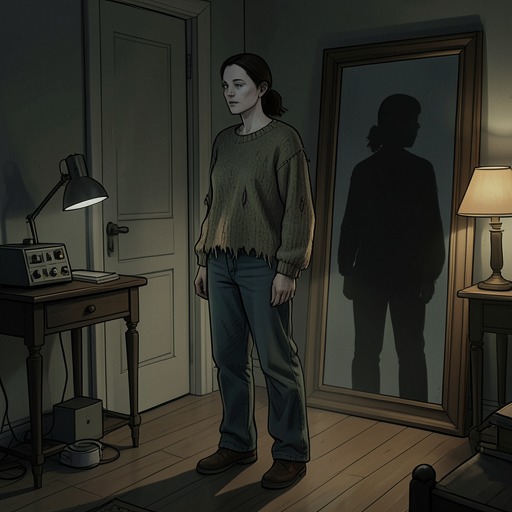
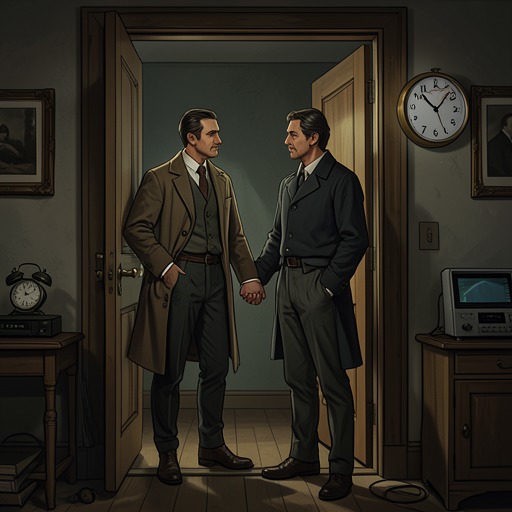
The GodmotherPolly Drayton’s pregnancy is both a private fact and the leverage around which she rebuilds her relationship with Robbie Dexter. She knows the child was conceived with Felipe, not Robbie, but Robbie believes they are expecting a child together. The gap between what each knows turns a pregnancy into a story of hope, responsibility, and calculated deception, while echoing Rachel Elliot’s separate struggle to decide whether and how to become a mother.
Circumstances and discovery
Polly’s pregnancy followed an encounter with Felipe near a pub in late October, shortly after Robbie had ended their relationship. She had hoped the encounter might console her over the breakup, but her thoughts remained with Robbie and the tenderness she associated with him. By the time she and Robbie share supper again, she is almost five months pregnant. She remembers that her period came after her last encounter with Robbie, and knows the child is not his.
Robbie learns of the pregnancy through a black-and-white ultrasound image in a brown envelope. He studies it repeatedly, perhaps for the twentieth time that week, unable to determine how many weeks along the pregnancy is. The scan makes the pregnancy impossible to dismiss as an abstract possibility. He is appalled by the prospect of becoming entangled with Polly, yet also disturbed by the thought that the pregnancy might end in abortion. His response is not simple acceptance: rejection, dread, and concern for the unborn child coexist.
The image also arrives while Robbie is grieving his lost relationship with Rachel. When Polly’s mother phones to ask why Polly has not said when she will return from a long weekend in London, Robbie falters over what to tell her. He imagines Polly alone and pregnant in an unfamiliar city. That anxious image of her changes the matter from a difficult choice about the pregnancy into an immediate fear for Polly herself.
Concealment and reconciliation
Polly’s knowledge of the child’s paternity contrasts sharply with Robbie’s understanding. At their later supper, Robbie assumes responsibility and refers to the baby as theirs. When Polly invites him to feel a possible kick, he detects nothing but pretends that he does. The gesture shows his growing willingness to inhabit the role she has allowed him to believe is his; her response, meanwhile, carries the secret she has not disclosed.
Polly has also helped bring Robbie back by presenting Will Raphael as a rival. She had snooped in Will’s flat, where a framed portrait of Rachel caught her attention, and used what she found to suggest that Will and Rachel were sleeping together. In reality, Will was Rachel’s friend, though Polly treated the portrait and the friendship as clues that could make her story convincing. She later congratulates herself on the deception: it gave Robbie a reason to turn against Rachel and return to her.
The pregnancy and the invented affair reinforce one another. Robbie’s anger at Rachel’s supposed betrayal helps make commitment to Polly feel possible, while Polly’s pregnancy gives that renewed relationship an apparent shared future. Polly tells herself that she had a right to happiness and to use what she could to get Robbie. The child is not merely a circumstance she conceals; the pregnancy becomes part of the future she presents to him, even as she knows the basis of his belief is false.
Robbie’s decision and the family response
Robbie’s first reaction to the scan is conflicted. He does not want the complications of a child with Polly, and the possibility that she might have had an abortion briefly gives him hope. But he recoils at the thought of the pregnancy ending as medical waste. His grief for Rachel breaks through as he considers the image, showing that the pregnancy and his lost romance are emotionally entangled rather than neatly separable.
By the supper scene, Robbie has moved toward responsibility. Polly’s parents have been supportive, and Polly’s mother has spoken of infants born before marriage and young couples who take time to settle into family life. Robbie finds that others have assumed he will stand by Polly, and that he expects this of himself too. His decision is therefore shaped by concern for the pregnancy, the family’s acceptance, and his own sense of obligation, although he still does not know the truth about paternity.
The meal makes the new arrangement look ordinary: fish fingers, mashed potato, and frozen sweetcorn, with Robbie receiving eight fish fingers and Polly five. Robbie enjoys the food and grins at the prospect of their baby; Polly joins him, then lowers her eyes. Domestic routine lends their reunion the appearance of settled family life, while her private knowledge keeps that appearance unstable.
Reproductive choices and narrative significance
Polly’s pregnancy runs alongside Rachel’s more deliberate, but also concealed, attempts to have a child. Rachel records that she has decided to become a mother and asks Nathan Kramer to provide the biological means, while promising that she will raise the child independently. Later, when she is with Robbie, she secretly removes her contraceptive cap and reasons that, at almost forty, every cycle matters. She does not tell him, even as she grows more hopeful about their future. These parallel choices distinguish openly requested assistance from an undisclosed attempt to conceive, and both from Polly’s concealment of the child’s father.
The novel also places these intimate decisions against anxiety about fertility. While injured and alone at Robbie’s home, Rachel reads an article asking why conception is becoming increasingly difficult and describing couples seeking infertility treatment. Later, Will tells her that he cannot have children because he was born without a vas deferens, a condition he had learned about while married to Ginnie. These details prevent pregnancy from functioning as a simple reward for romantic reunion: desire, bodily possibility, timing, honesty, and responsibility do not align automatically.
Polly’s pregnancy brings those tensions into a concrete relationship. Robbie chooses to stand by her and begins to imagine himself as the baby’s father, while Polly’s silence protects the reunion she has engineered. The pregnancy consequently promises a shared future and exposes the deception on which that promise rests. Its significance lies not only in the child’s impending arrival, but in the unequal knowledge that shapes the adults’ choices before it.