Rachel Elliot’s midlife anxiety and loss of confidence
The GodmotherRachel Elliot’s midlife anxiety and loss of confidence turn the freedom she once prized into an uneasy question: what is that freedom worth when she no longer feels sure of herself or wants the life she has made? Her distress gathers around aging, motherhood, loneliness, and the fragile authority of her own judgment. It appears not as one settled crisis but as a recurrence: a panic attack, a mounting preoccupation with having a child, moments of self-consciousness about age, and the isolation of Christmas, with the assault by Cliff Weybourne further eroding her confidence in her own account of events.
Anxiety and the Lost Self
After a night of trying to reassure herself that there would be more months and cycles, Rachel experiences a sudden attack of fear. She wakes in darkness with her chest throbbing, struggles to breathe, and feels a surge of adrenaline with no identifiable problem on which to act. She tries to direct her thoughts towards rain, rushes, and mothering, but none gives the anxiety a shape or a solution. The episode passes quickly, leaving her exhausted; she gasps an insult at herself, calling herself stupid and old. The abrupt beginning and end do not resolve the fear. Instead, the scene identifies its diffuse sources: getting older, becoming less certain, and feeling more alone.
Rachel responds to that helplessness with brisk activity. She dresses, applies pink lipstick and blue eye shadow, and heads towards the hotel bar, telling herself that a drink and company are what she needs. The contrast is telling: her movements are forceful, but the effort is an attempt to outrun a fear she cannot name. The thought of eating, drinking, and being merry because tomorrow brings death turns into a temporary rationale for pleasure, not evidence that her confidence has returned.
A week later, driving through Friday traffic to a Christmas party hosted by Mallarmé and McKenzie Cartwright, Rachel recognizes that she has, in her own words as reported by the narration, fallen out of love with herself. Her loss of self-belief is joined to a loss of desire to be herself unless something fundamental changes. She imagines having a baby as such a change, while also recognizing how exhausting her constant thoughts about the subject have become: the idea returns like a wheel driven by a mechanism she cannot control. The conflict is not simply between independence and motherhood. The freedom to shape her own life, once carefully protected and increasingly precious as friends made compromises she had never imagined, now seems empty when she feels no desire to exercise it.
Aging, Appearance, and Recognition
The traffic leaves Rachel alone in the dark of her car, wanting the comfort of interruption. She studies the silhouettes of drivers beside her and wonders whether they are alone, escaping, returning, seeking solitude, or longing for company. When the man in the next car turns his head, she offers a small nod; he looks back to his windscreen without acknowledging it. The failed contact gives physical form to her isolation: other people are close enough to watch, yet remain inaccessible.
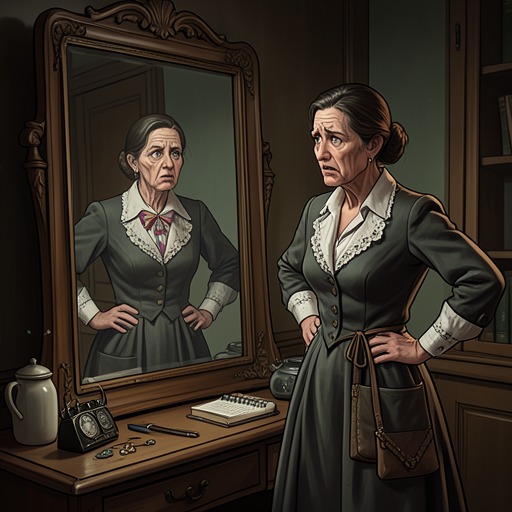
At a dinner and dance, Rachel considers when a person becomes old. Earlier, she had outlined her lips with a pencil and mocked her own pursed expression in the bathroom mirror. Her questions about giving up eyeliner, accepting grey hair, and wearing a headscarf show her measuring herself against visible signs of age and against the risk of appearing to try too hard. The advertising industry’s celebration of youthful energy, which she once regarded as something that its older members could meet with continuing dynamism, now frightens her. A shimmering dress and the attention it attracts offer pleasure, but cannot erase her awareness of the daily demands behind the image. She recalls Anita Cavanagh’s gloomy warnings about children keeping a woman young, then dismisses them even as the thought reveals how closely motherhood has become entangled with her fear of aging.
The party briefly loosens that self-surveillance. Rachel enjoys being noticed and feels gratitude as well as pleasure at the heads that turn; she no longer takes such appreciation for granted. Frank Alder leads her through slower dances with a steady elegance, though his affection and her sense of propriety keep her reserved. Later, dancing with Ted Bealey, an old friend from the Planning Department, she lets her hips and arms move more freely with the music. Food and several glasses of wine have buoyed her self-esteem, and for a while she is able to enjoy herself without conducting another conversation with her reflection. The relief is real, but its reliance on the evening’s attention and drink makes it temporary.
Motherhood and the Christmas Season
Christmas brings Rachel’s private fears into sharper focus. Hearing carol singers outside her building, she catches herself humming and feels childhood memories stirring; then she thinks of Christmas as only remembered joy for an atheist, single, childless adult, and her toes freeze inside her boots. The shift from bodily participation in the song to sudden withdrawal compresses the season’s emotional contradiction: an old pleasure remains available, but her present circumstances make it difficult to inhabit without qualification.
A card from Anita, written while Anita is staying with Giles Cavanagh’s parents, cheers Rachel with its irreverent image and familiar tone. It also makes her wish Anita were nearby. Rachel’s need for someone to talk to feels new and unwelcome, and she recognizes that independence and isolation are not as far apart as she had supposed. She feels guilty and alarmed that she has allowed a false assumption to stand: Anita believes Rachel will spend the break with her parents in Gerrard’s Cross, while Rachel finds the prospect of spending Christmas alone preferable to admitting the truth, even to her oldest friend. Her reluctance to disclose her situation is bound up with not wanting to give others permission to pity her.
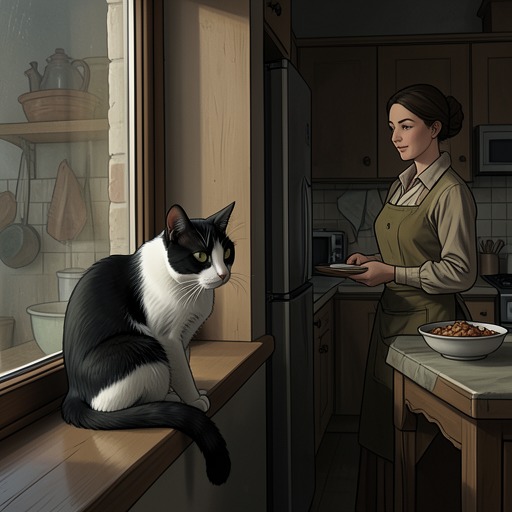
Rachel tries to make a solitary Christmas feel chosen rather than endured. She leaves work early, goes to an expensive delicatessen, and buys quail’s eggs, smoked eel, Russian caviar, champagne, claret, smoked salmon pâté, fresh brown bread, olives, dates, pistachios, and liqueur truffles. She ignores the prices and adds more delicacies on the shopkeeper’s recommendation, determined to be extravagant. The purchases turn independence into a carefully staged private celebration, yet the card and the undisclosed loneliness make clear that abundance cannot supply the companionship she misses.
Assault and Renewed Self-Doubt
On Christmas Eve, Rachel’s uncertainty takes a more troubling form as she thinks back to the incident with Cliff Weybourne. The confidence that had followed it has begun to recede. In the bath, she entertains the possibility that Cliff was right, wonders whether she had encouraged him, and reduces what happened to an unwanted embrace and a rough fumble. She also tells herself that it was nothing she could not handle and questions whether it is worth losing her job over. The passage presents these thoughts as a retreat from anger, not as confirmation that Cliff’s conduct was acceptable: Rachel has become suddenly drained of the capacity to feel anger or anything else.
After getting out of the bath, she pours a small glass of claret and counts the days until Anita returns and she will have someone to talk to. She pauses at an April calendar image for a bubble-bath campaign, whose promise that good things happen afterwards sits beside her immediate uncertainty. Across these episodes, her attempts at control—planning an extravagant meal, applying makeup, seeking company, counting days, and reconsidering the incident—cannot produce lasting assurance. The defining movement is from the self who once felt confident enough to design her life towards a woman who questions her age, desires, solitude, and judgment, even as she continues looking for ways to carry on.