
A Childhood of Pain and Isolation
The Good Nurse: A True Story of Medicine, Madness, and MurderThis thread traces the formative losses and humiliations in Cullen’s early life without treating them as an excuse for his later violence.
increasing Bearing strength in each event
 decreasing
Bearing strength in each eventdecreasingA Crowded Childhood
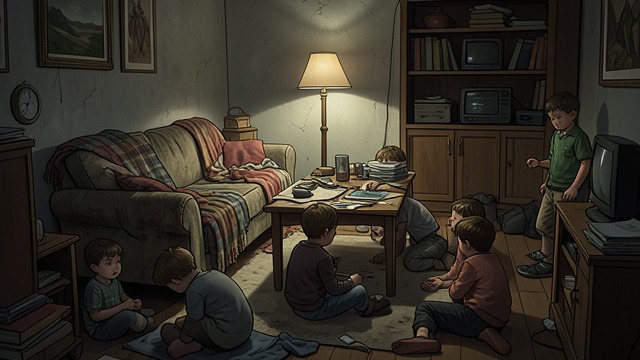
A Crowded Childhood
A Late Arrival
Cullen grew up in a working-class Irish Catholic household as one of the youngest children. His siblings were older, and the family home was marked by economic strain, addiction, and instability.
A Narrow Refuge
His mother offered the affection and protection he depended on, but her care could not erase the wider disorder surrounding him. Cullen later described his childhood as miserable and remembered feeling alone.
The book presents this history as context for his hunger for attention and safety, not as a simple cause of murder. Many people endure painful childhoods without harming others.
The Loss of His Mother
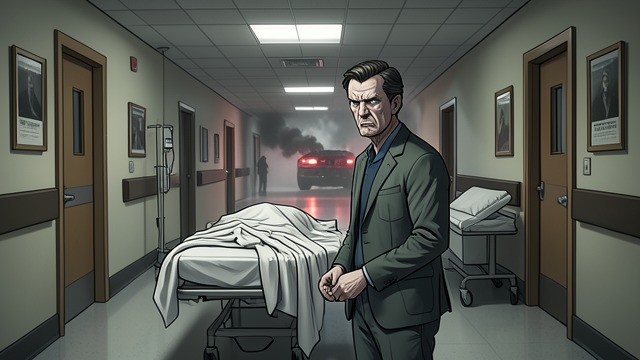
The Loss of His Mother
A Sudden Death
Cullen’s mother died after a car crash while he was still in high school. When he went to Mountainside Hospital, he believed staff had lied to him about where her body had been taken.
Grief Becomes Distrust
The experience deepened his anger toward hospitals and his conviction that no one properly treated his pain. He attempted suicide and began to imagine the hospital as both a place of loss and a place where suffering might be acknowledged.
The loss was a decisive rupture in Cullen’s life, but it does not explain or justify his later actions. Its importance lies in the meanings he carried from it into adulthood.
An Identity in Uniform
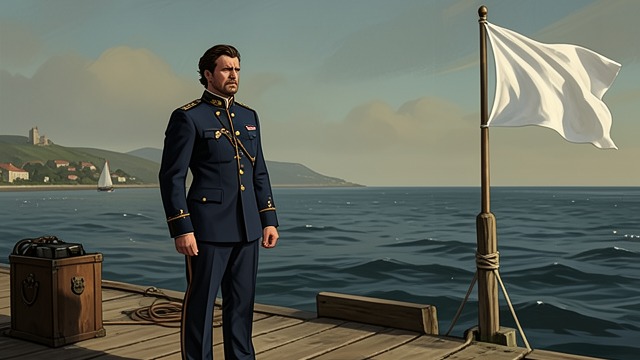
An Identity in Uniform
Escape Through Enlistment
Cullen joined the United States Navy after his mother’s death, drawn to the promise of a uniform, purpose, and distance from home. Submarine duty instead brought isolation, humiliation, and repeated conflict with authority.
Another Failed Exit
Alcohol misuse and suicide gestures led to psychiatric treatment, but Cullen remained unable to imagine a stable future. He eventually left military life and searched for a different identity.
The uniform promised belonging but could not deliver it. Nursing later appeared to offer a more intimate and affirming version of the same structure.
Chosen at Nursing School
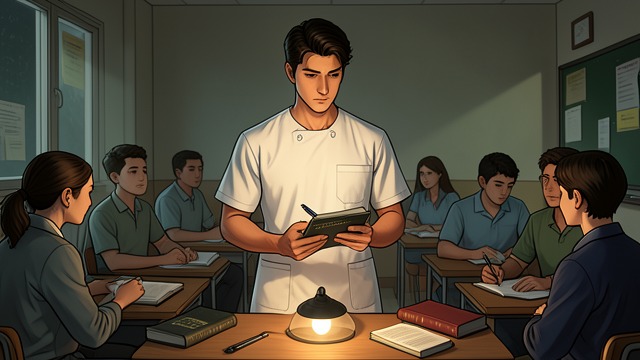
Chosen at Nursing School
A New Community
Cullen became the only male student in his nursing class at Mountainside Hospital. He performed well academically and was encouraged to run for class president when another student withdrew.
Recognition Arrives
Winning the symbolic position made Cullen feel special and accepted by a community of professional caregivers. He experienced the role as close to love, a recognition largely absent from his earlier life.
This moment helps explain why nursing became central to his identity. It does not explain the crimes that followed, but it shows how deeply he invested in being seen as a valued caregiver.
Pain Without Excuse
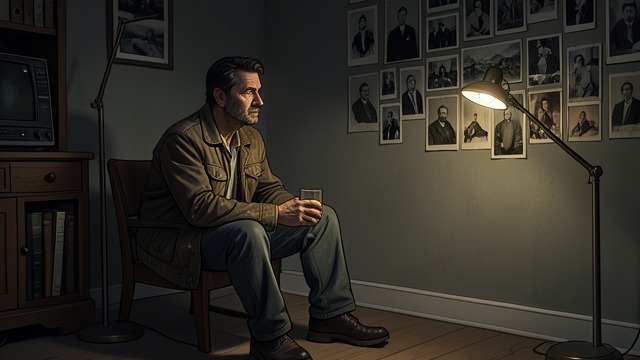
Pain Without Excuse
A Story of Injury
Cullen’s past contains bereavement, family instability, alcoholism, depression, and repeated suicidal behavior. These experiences help frame the loneliness and need for attention described in the book.
Responsibility Remains
The same narrative shows Cullen making deliberate choices to poison patients and evade detection. His victims were not extensions of his childhood pain, and their deaths cannot be justified by his suffering.
The book’s ethical balance depends on holding context and accountability together. Understanding the person is not the same as forgiving the crimes or diminishing the lives he took.
1960s to 1977
December 1977
1978 to 1984
March 1984
After the Confession
