
A Nurse Becomes an Informant
The Good Nurse: A True Story of Medicine, Madness, and MurderThis thread traces Amy Loughren’s transformation from Cullen’s trusted coworker into a confidential informant, and the emotional cost of that change.
increasing Bearing strength in each event
 decreasing
Bearing strength in each eventdecreasingA Friend at Work
A Friend at Work
A Safe Presence
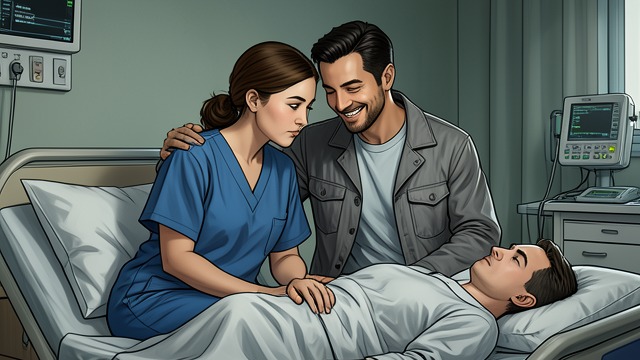
Amy Loughren met Charles Cullen at Somerset Medical Center and came to trust his humor, attention, and apparent sensitivity. Both had difficult private lives, and their overnight conversations created an unusually close working friendship.
An Impressive Colleague
Cullen seemed efficient and knowledgeable, readily assisting Amy with patients and helping during codes. His willingness to take work from others made him appear dependable, even as his habits around patient care seemed eccentric.
Amy’s trust mattered because she knew his personality as well as the unit’s routines. Later, that intimate knowledge would help her recognize patterns that were invisible to detectives unfamiliar with nursing practice.
The Medical Warning
The Medical Warning
A Hidden Condition
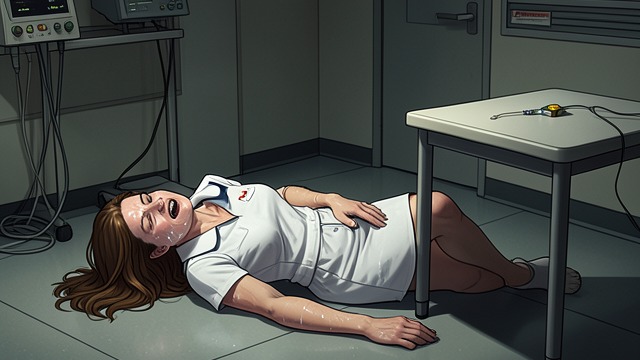
Amy began suffering serious heart symptoms while working demanding night shifts. She eventually collapsed and required a pacemaker, while continuing to worry about her daughters and her ability to keep her position.
Cullen’s Help
Cullen offered medication and told her to rest, presenting himself as a protective friend who would cover her patients. Amy accepted his help and believed that he could keep her confidence.
Her illness deepened the friendship and increased her reliance on him. In retrospect, the trust created a painful contradiction: the person who seemed to care for her was secretly harming patients under the same conditions of trust.
The Police Interview
The Police Interview
A Defensive Start
When Danny Baldwin interviewed Amy, she was angry that the investigation seemed to implicate her friend. She spoke openly about her fear for her own job and resisted the suggestion that Cullen could have caused the deaths.
Evidence Changes the Frame
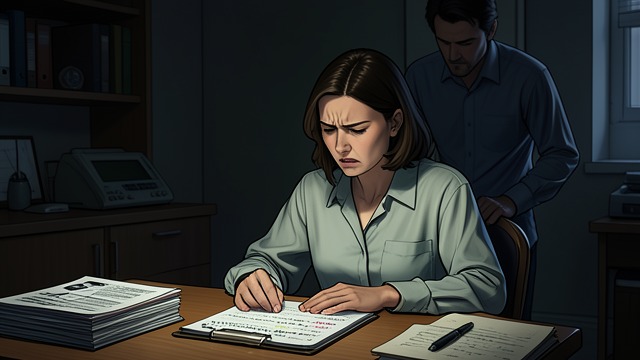
Baldwin showed her Cullen’s medication records without Mary Lund in the room. Amy recognized the pattern as strange, especially the frequency and structure of the drug requests.
The records did not instantly erase her affection for Cullen, but they made denial harder. For the first time, she could imagine that the man she trusted had done something terrible.
Choosing to Help
Choosing to Help
A Family Decision
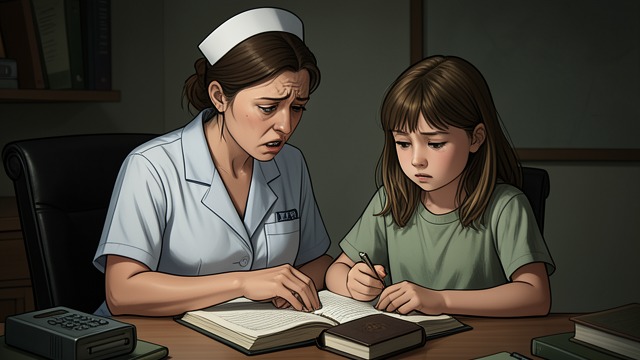
Detectives explained that Cullen might have killed patients across a long career and asked Amy to stay in contact with him. She feared the danger and the social cost, so she talked through the choice with her daughter.
A Moral Commitment
Her daughter understood the stakes and told Amy that if a man was harming patients, Amy should help find out. Amy agreed to cooperate, while recognizing that she would have to conceal the decision from coworkers and Cullen himself.
The choice brought her private loyalties into conflict with her duty to patients. It also made her a key bridge between clinical knowledge and a criminal investigation.
The Cost of Betrayal
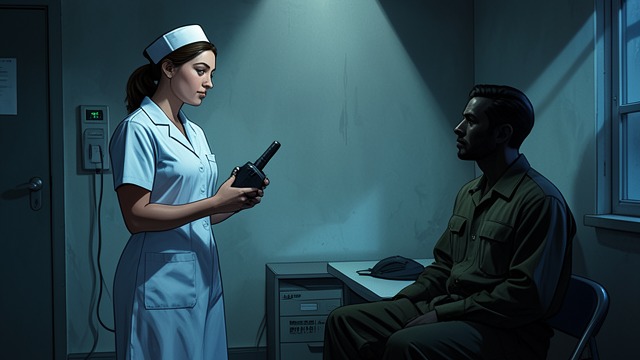
The Cost of Betrayal
Undercover Pressure
Amy reviewed records, made calls, and met Cullen wearing a recording device. She had to act warmly while confronting the possibility that her friend had killed patients, and she later watched him in custody with a mix of guilt and concern.
A Private Reckoning
Amy left nursing soon after Cullen’s arrest. Years later, she visited him in prison and asked his forgiveness, though she had not told him that she had been the confidential informant.
The relationship never returned to its former innocence. Amy’s decision helped expose the crimes, but it also left her carrying secrecy, grief, and the burden of having turned trust into an investigative tool.
September 2002
October 2002 to February 2003
November 2003
November 2003
December 2003 to October 2012
