
Control Over Life and Death
The Good Nurse: A True Story of Medicine, Madness, and MurderThis thread traces the book’s central moral paradox: Cullen’s access to medicine lets him convert professional knowledge into secret control over life and death.
increasing Bearing strength in each event
 decreasing
Bearing strength in each eventdecreasingThe Formula of a Burn Ward
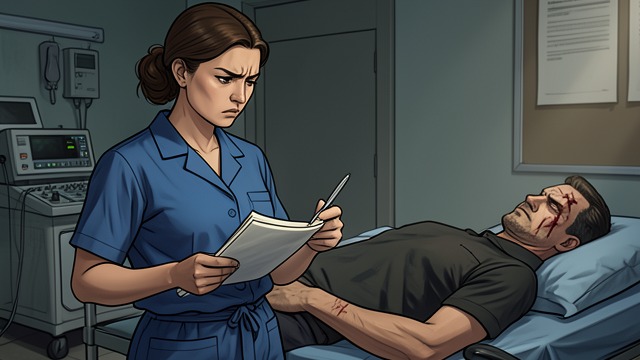
The Formula of a Burn Ward
Reading Injury
In the burn unit, nurses learned to estimate survival through the Rule of Nines and the patient’s age. The calculations helped staff distribute hope and prepare for deaths that medicine could not prevent.
Care Under Pressure
Cullen saw patients in extreme pain, including children whose injuries could trap them in scarred bodies. Nursing meant trying to ease suffering while recognizing the limits of treatment.
The clinical knowledge that helps caregivers face mortality also taught Cullen how fragile patients could be. The book sets healing expertise beside the later abuse of that expertise.
The Drug as a Hidden Hand
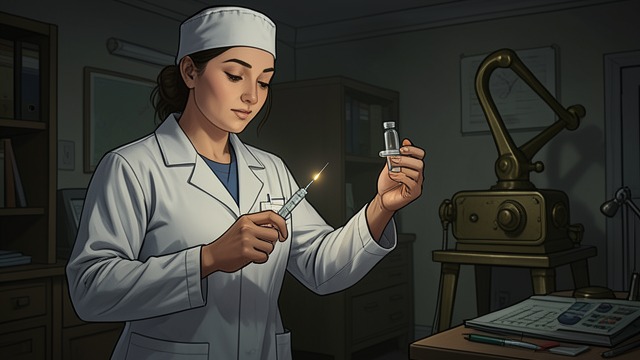
The Drug as a Hidden Hand
Chemical Effects
Insulin and digoxin had legitimate clinical uses, but in an unauthorized dose they could destabilize a patient or stop a heart. Their effects were difficult to interpret amid complex illnesses.
Control Without Visibility
Cullen could manipulate medication while leaving no straightforward record of the administration. A small intervention could appear as an unpredictable fluctuation in a critically ill patient.
The hidden drug became a means of control precisely because medical complexity provided plausible alternative explanations. The same chemistry that supports treatment could conceal an intentional attack.
The Code and the Rescue
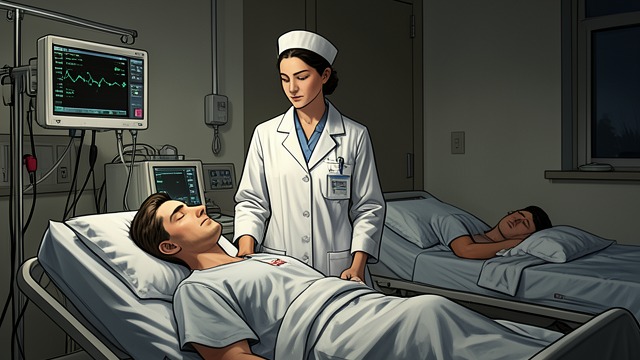
The Code and the Rescue
A Crisis Begins
Patients suddenly deteriorated, alarms sounded, and staff rushed to restore breathing or circulation. Cullen often appeared ready to respond and could take a leading role in the code.
Authority at the Center
The apparent rescuer was also suspected of having initiated some crises. His access to drugs and knowledge of the unit allowed him to participate in both the danger and the response.
This doubling of roles makes the code a powerful image in the book. Cullen could occupy the center of a life-saving scene after secretly creating the threat that made it necessary.
The Lottery of Patients
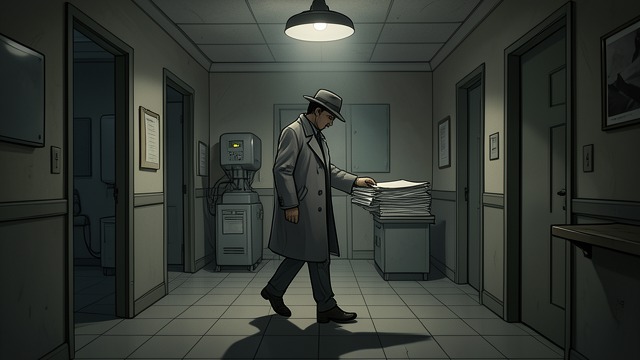
The Lottery of Patients
A Patient Becomes a Possibility
Amy’s reconstruction suggested that Cullen browsed charts and tracked patients beyond his assignments. He could observe different bodies and laboratory results while searching for effects that interested him.
Outcomes as Experiments
The book evokes this process as a lottery: patients’ rooms and drug deliveries could combine unpredictably, while Cullen watched the resulting changes. The patients’ distinctive lives risked becoming variables in a private experiment.
The metaphor exposes the distance between clinical care and Cullen’s concealed practice. What the institution treated as numerical variation could represent a human being’s irreversible crisis.
The Right to Intervene
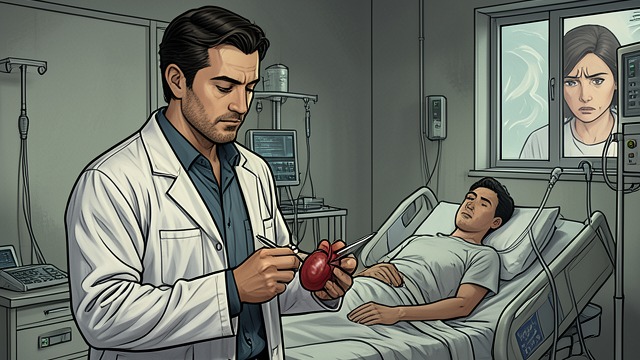
The Right to Intervene
A Claim of Compassion
Cullen later described his actions as interventions and argued that he could still do something positive by donating a kidney. He resisted the idea that his past should prevent every future act of care.
The Boundary of Authority
His history made the language of helping difficult to trust. He had used a nurse’s authority to decide secretly when patients would receive dangerous drugs, taking choices away from them and their families.
The book asks what separates care from control and what responsibilities follow professional access. Cullen’s kidney could help a recipient, but it could not turn his earlier unauthorized decisions into mercy.
1987
1991 to 1998
1999 to 2003
2003
After the Arrest
