
The Pyxis Evidence Dispute
The Good Nurse: A True Story of Medicine, Madness, and MurderThis thread follows the conflict over whether digital medication records existed and how canceled orders could conceal drug removal.
increasing Bearing strength in each event
 decreasing
Bearing strength in each eventdecreasingAn Apparently Empty Record

An Apparently Empty Record
The Thirty-Day Claim
Somerset Medical Center told detectives that Pyxis retained only thirty days of activity. The incidents under investigation were older, making the claim appear to leave the central medication history unavailable.
A Critical Limitation
Mary Lund said that records surrounding earlier deaths could not be copied, and the hospital’s brief memo gave detectives no clear basis to challenge that account. The absence of records threatened to make the case unprovable.
The explanation turned a technical system into an apparent dead end. Detectives had to decide whether the limitation was genuine or another consequence of the hospital’s incomplete disclosure.
The Manufacturer’s Answer

The Manufacturer’s Answer
A Simple Inquiry
Tim Braun called Cardinal Health to ask whether older data could be recovered. The company’s representative told him that the system stored its activity indefinitely, not merely for thirty days.
A New Confrontation
The discovery meant that the records existed and could potentially be obtained. Danny Baldwin returned to Mary Lund and demanded the full data rather than accepting the earlier explanation.
A small technical question altered the direction of the case. The difference between a thirty-day record and a permanent record was the difference between an apparent evidentiary dead end and a chance to reconstruct Cullen’s access.
The Canceled Order Loophole
The Canceled Order Loophole
An Order Leaves a Trace
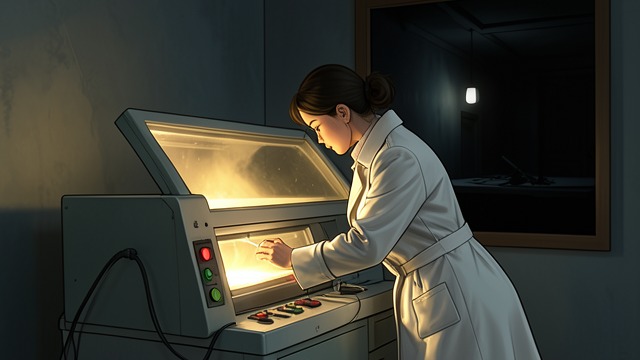
Cullen repeatedly opened medication drawers through orders that he then canceled. The electronic record could make it appear that no medication had been removed even though the drawer had opened.
Amy Explains the Mechanism
Amy tested the process herself and showed detectives how the system worked. Her clinical knowledge made the repeated cancellations look less like ordinary mistakes and more like a possible method of concealment.
The loophole did not identify the contents of any syringe or prove a particular administration. It did, however, provide a concrete explanation for how a nurse might exploit the system without leaving a conventional withdrawal entry.
A Pattern of Drug Requests
A Pattern of Drug Requests
Numbers Without Context
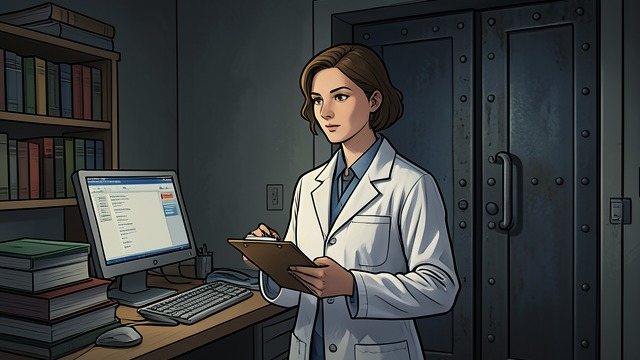
The recovered records showed frequent requests for unusual medicines, repeated restocking, and numerous transactions unrelated to the apparent needs of Cullen’s assigned patients. Detectives saw the volume but initially could not interpret its clinical meaning.
A Nurse Reads the Data
Amy identified recurring combinations that could alter a patient’s heart rhythm, blood pressure, or consciousness. She explained how an apparently ordinary medication request might create access to another drug stored nearby.
Her interpretation joined numbers to physiology. The drug history became a pattern that could be compared against the timing of patient deterioration, even though it remained circumstantial evidence.
Digital Evidence Meets Toxicology

Digital Evidence Meets Toxicology
Gall’s Cause of Death
Toxicology from Florian Gall’s exhumed remains confirmed lethal digoxin, allowing the medical examiner to classify his death as homicide. The case now had a confirmed victim and a specific drug.
A Difficult Connection
Pyxis records and Cerner activity placed Cullen near relevant access and patient information, but no single record showed a direct administration. Prosecutors still needed to connect the digital behavior, toxicology, and Cullen’s actions into a persuasive chain.
The evidence grew stronger through convergence rather than a single smoking gun. Its interpretation depended on records, expert judgment, and the clinical insight that Amy brought to the investigation.
October 2003
October 2003
November 2003
November to December 2003
November 29 to December 2003
