
The Hospital Clock
The Good Nurse: A True Story of Medicine, Madness, and MurderThis thread follows the deaths and near-deaths in Somerset’s critical care unit as abnormal laboratory values gradually reveal intentional poisoning.
increasing Bearing strength in each event
 decreasing
Bearing strength in each eventdecreasingThe First Cluster
The First Cluster
Unexpected Crashes
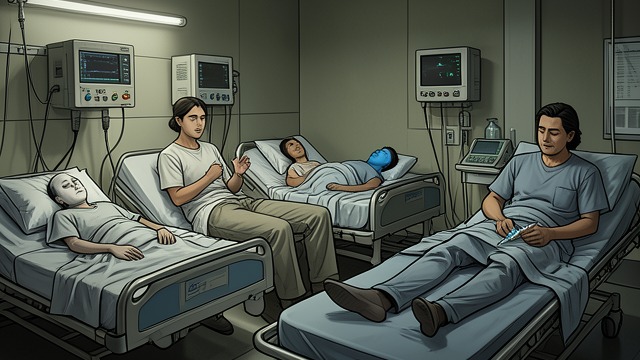
Patients at Somerset Medical Center began experiencing unexplained episodes of severe hypoglycemia. Some recovered after treatment, but the abnormal insulin levels could not be explained by their prescriptions or medical histories.
A Second Kind of Signal
In the same period, digoxin readings in other patients rose beyond expected levels. The mixture of different drugs and different clinical circumstances made the incidents look at first like separate medical problems.
The pattern mattered precisely because it was not a single dramatic event. Repeated anomalies across patients and shifts suggested that ordinary explanations might not be enough.
Han’s Recovery
Han’s Recovery
A Discontinued Drug
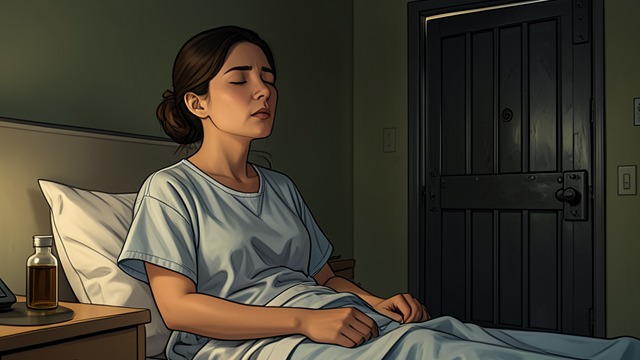
Jin Kyung Han had heart disease and had received low doses of digoxin. Her cardiologist stopped the drug after it appeared to worsen her arrhythmia, making later exposure especially dangerous.
A Near-Fatal Spike
Cullen injected a much larger dose into Han’s IV. Her digoxin level rose sharply, and she became ill, but treatment with an antidote stabilized her enough to survive.
Her recovery supplied investigators with a living case in which treatment records and laboratory values could be compared. The event also showed that a poisoning could be serious without immediately producing a death certificate.
Gall’s Unexpected Death
Gall’s Unexpected Death
A Patient Improves
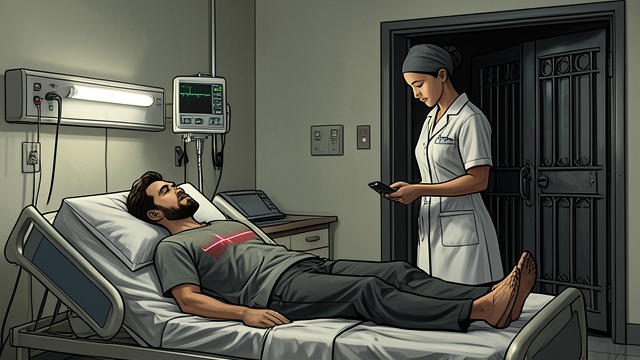
Florian Gall had arrived critically ill but gradually improved. His digoxin was discontinued as his heart rhythm stabilized, and his sister remained closely involved in his care.
A Sudden Reversal
Gall coded unexpectedly, and later tests showed an extreme digoxin level despite the absence of a recent prescription. Somerset initially treated the event as an internal medical question rather than immediately reporting a suspected crime.
The reversal transformed the case from a cluster of anomalies into a death that demanded a forensic explanation. Its delayed investigation would later make exhumation necessary.
The Strickland Attack
The Strickland Attack
A Hidden Injection
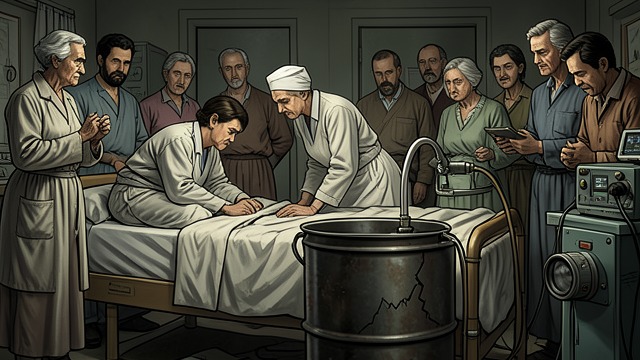
James Strickland was not Cullen’s assigned patient, but Cullen reviewed his chart and injected insulin into his IV. The patient’s sugar fell to an extreme level, leading to convulsions and a prolonged medical emergency.
A Family Watches
Strickland’s family witnessed the alarming deterioration and questioned the machines and treatment around him. He survived the initial crisis but later died after another concealed drug administration.
The case demonstrated how a patient could be harmed while other staff carried out routine care and family members struggled to understand what they were seeing. It also showed the limits of relying on visible bedside actions alone.
A Volunteer’s Last Shift
A Volunteer’s Last Shift
Familiar Trust
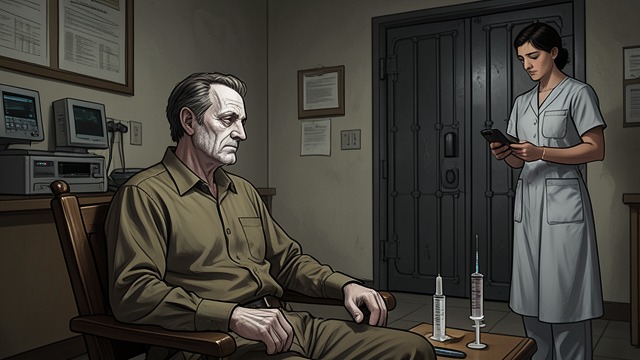
Ed Zizik was a retired engineer who volunteered at Somerset Medical Center and was familiar to staff and visitors. Cullen administered Xanax during a shift and watched the patient’s condition through the night.
An Invisible Cause
Zizik later died from digoxin toxicity, although digoxin did not appear in the chart or in Cullen’s recorded Pyxis withdrawals. His death joined the accumulating set of cases that could not be explained by the visible medication record.
The ordinary familiarity of Zizik’s life sharpened the tragedy of an invisible attack. His death also underscored the possibility that Cullen could obtain drugs through routes the electronic record did not capture.
May to June 2003
June 14 to 16 2003
June 28 2003
September 2003
October 2003
