
Institutions as Characters
The Good Nurse: A True Story of Medicine, Madness, and MurderThis thread deepens the book’s portrayal of hospitals as powerful systems capable of healing, obscuring evidence, and protecting themselves at patients’ expense.
increasing Bearing strength in each event
 decreasing
Bearing strength in each eventdecreasingA City of Care
A City of Care
The Hospital Never Sleeps
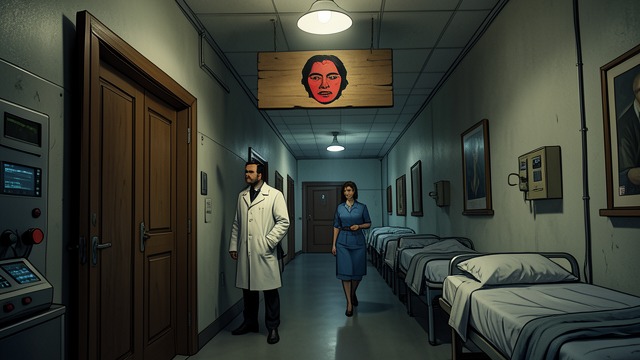
The hospital is portrayed as a twenty-four-hour world of lights, machines, routines, and staff. Cullen feels that its sounds and smells are more familiar than the world outside.
Care and Commerce
Hospitals treat patients while competing for staff, prestige, and revenue. The clinical mission exists alongside administrative incentives and public reputation.
The institution is not simply a backdrop. It shapes what workers can do, what managers notice, and how a suspicious event can be described or contained.
A Warning Becomes a File

A Warning Becomes a File
Fragmented Records
Across hospitals, reports described medication errors, strange behavior, missing drugs, or patient deaths. Personnel files were incomplete, destroyed, or separated from the investigations that gave the incidents meaning.
The Meaning Gets Lost
Without a shared system, one employer might see a performance problem while another saw a suspicious death. Staffing agencies and neutral references further weakened the continuity of information.
The institutional failure was not simply that no one noticed anything. People did notice, but their knowledge remained fragmented and often failed to travel to the next place where patients needed protection.
Risk Management’s Dilemma

Risk Management’s Dilemma
Internal Investigation
Somerset’s administrators reviewed lab values, equipment, and possible medication errors while consulting attorneys. Their process treated the events as a potential institutional liability as well as a patient-safety problem.
A Conflict of Purpose
Risk management could help uncover what had happened, but it also had reason to control disclosure and reduce legal exposure. Outside experts had to press the hospital to recognize that a police investigation might be necessary.
The book shows how the language of risk can shift attention from harmed patients to the institution’s own vulnerability. These pressures did not make every administrator malicious, but they shaped the delays and omissions that followed.
The Cost of Silence
The Cost of Silence
Families Seek Accountability
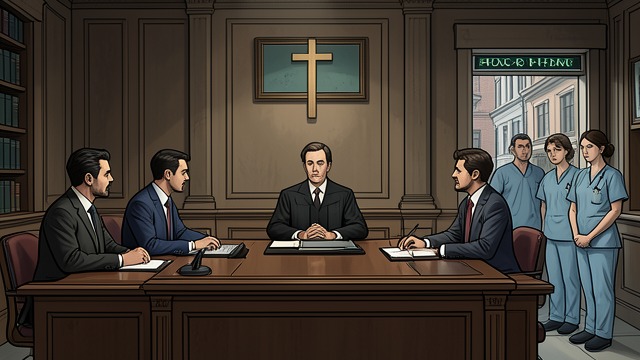
After the criminal case, families sued hospitals that had employed Cullen. The suits asked whether institutions had failed to disclose serious concerns or protect patients when they had reason to suspect danger.
Courts Identify a Duty
A court found that Saint Luke’s had assumed responsibilities to future patients when it selectively warned some hospitals but not others. The decision described the institution’s conduct as a choice with life-and-death implications.
Civil litigation made institutional actions visible in a way earlier internal reviews had not. It also showed that responsibility for the crimes could coexist with questions about the organizations that allowed Cullen to keep working.
Reform’s Unfinished Promise
Reform’s Unfinished Promise
New Standards
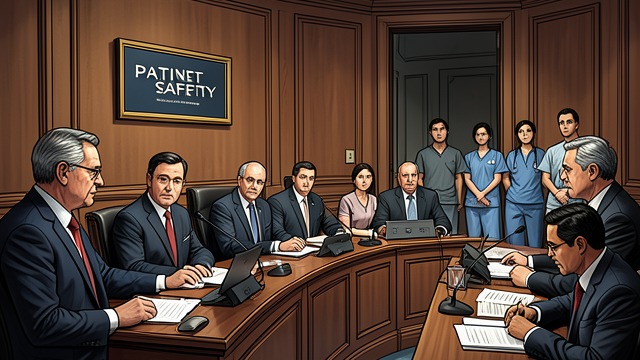
New Jersey adopted patient-safety and reporting measures after the Cullen case, and other states followed with similar rules. The laws recognized that preventable events and professional discipline needed to reach regulators more reliably.
Enforcement Remains Open
The reforms lacked penalties for hospitals that failed to comply. Better rules could improve reporting, but they could not guarantee that administrators would interpret warning signs honestly or act quickly.
The ending is therefore not a neat institutional redemption. The system acknowledged its failure, but the continuing question is whether transparency can overcome the incentives to protect a hospital’s reputation.
1987
1991 to 2002
June to July 2003
2003 to 2010
2004 onward
