
Amy Reads the Records
The Good Nurse: A True Story of Medicine, Madness, and MurderThis thread traces how Amy Loughren deciphers Cullen’s digital traces and discovers that his apparent charting habits conceal systematic surveillance of patients.
increasing Bearing strength in each event
 decreasing
Bearing strength in each eventdecreasingA Strange Stack
A Strange Stack
An Unusual Pattern
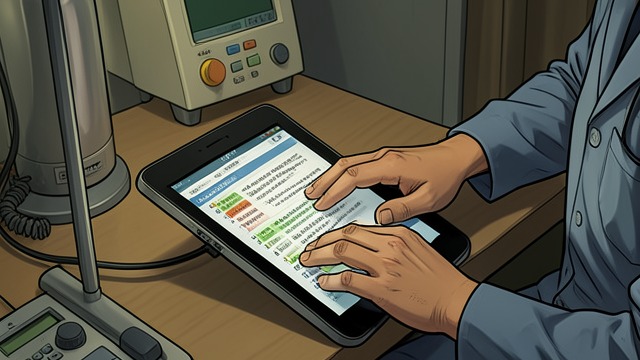
Amy saw Cullen’s Pyxis activity and immediately noticed that the requests were unlike ordinary medication work. He made many separate entries, often seconds apart, and repeatedly accessed medicines uncommon in the unit.
Clinical Knowledge Matters
The detectives had records but lacked the nursing context to assess what was normal. Amy could distinguish routine drug access from a pattern that demanded explanation.
Her reading turned raw data into an investigative lead. The evidence remained circumstantial, but a trained colleague could now explain why its structure looked wrong.
Canceled Orders
Canceled Orders
A Drawer Still Opens
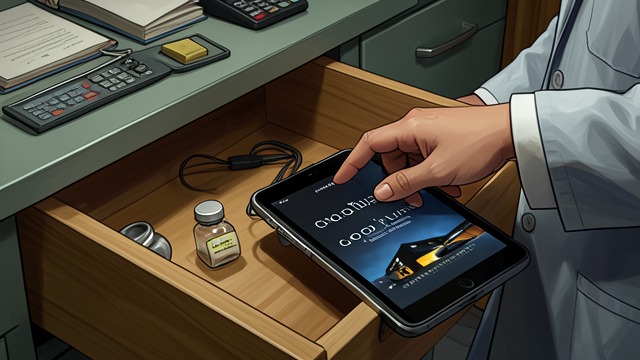
Amy discovered that canceling a Pyxis order did not prevent the medication drawer from opening. The record could show that a nurse had not taken the drug even though access had been granted.
A Possible Concealment Method
Cullen had repeatedly ordered and canceled digoxin, especially before the suspicious cases. Amy showed investigators that his cancellation pattern far exceeded ordinary error and could have concealed medication removal.
The mechanism offered a plausible way to obtain drugs without leaving a conventional withdrawal record. It still could not prove which drug Cullen took or where it went, so the investigation needed more than this insight.
The Delivery Route
The Delivery Route
A Helpful Routine
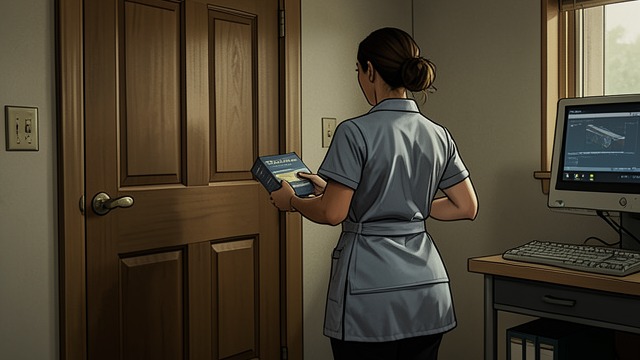
Cullen often positioned himself near the unit entrance and accepted medicine deliveries from pharmacy runners. Colleagues saw the habit as helpful because it spared the runner a trip and let Cullen stock the unit.
A Route Around the Machine
Amy realized that direct access to deliveries could provide medicines without a Pyxis transaction. The same behavior that had looked like efficient teamwork might have given Cullen another way to acquire drugs.
Her theory helped explain why suspicious outcomes did not always match the recorded withdrawals. It remained a possibility rather than a proven method, but it widened the investigators’ understanding of how the system could be circumvented.
A Different Drug Pattern
A Different Drug Pattern
The Tylenol Cover
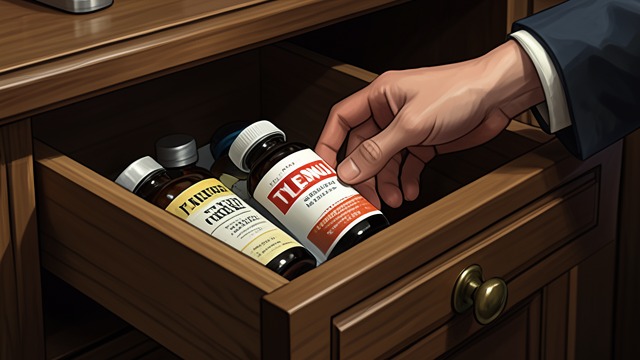
When Cullen stopped ordering digoxin, the suspicious incidents continued. Amy noticed that he often ordered Tylenol, a medication stored near other drugs in the same Pyxis drawer.
Combinations With Purpose
She also identified recurring orders for drugs that could affect heart function and blood pressure. In combinations, they could produce effects not obvious from any one recorded request.
Amy began to see the medication history as a set of possible cocktails rather than isolated errors. That interpretation helped explain how Cullen might conceal access while altering patients’ physiology in ways that looked clinically complicated.
Chart Browsing as Surveillance
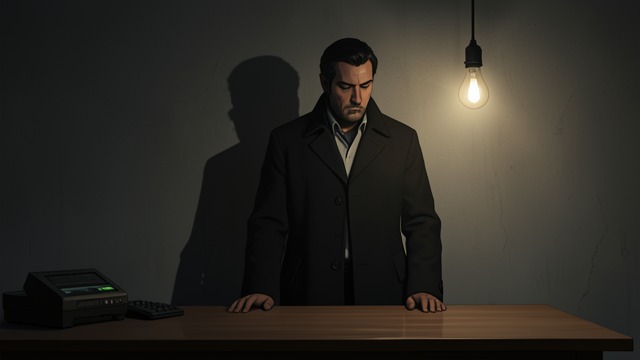
Chart Browsing as Surveillance
The Wrong Patients
Cerner records showed Cullen repeatedly opening charts for patients who were not assigned to him. His charting itself was sparse, contradicting the impression that he spent so much time at the computer documenting care.
Following the Results
Amy proposed that Cullen used the system to check patients’ progress after drugs had been delivered or administered. He could monitor laboratory results and deterioration without being in the room when the effects appeared.
The discovery changed the meaning of his quiet computer work. What seemed like harmless eccentricity could have been a way to track the results of concealed interventions across the unit.
November 2003
Late November 2003
Late November 2003
December 2003
December 2003
