
Martyrdom and Scapegoating
The Good Nurse: A True Story of Medicine, Madness, and MurderThis thread traces Cullen’s recurring self-image as a victim or martyr and the institutional settings that allow that image to survive.
increasing Bearing strength in each event
 decreasing
Bearing strength in each eventdecreasingThe Saintly Counterimage
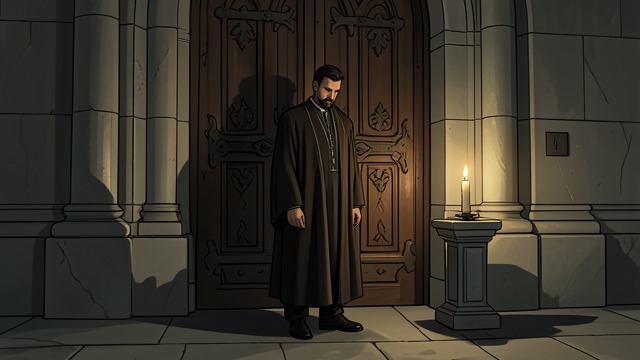
The Saintly Counterimage
A Name with Meaning
Cullen began work at Saint Barnabas Medical Center on the feast associated with the saint’s name. He remembered religious stories about suffering, sacrifice, and eventual remembrance.
An Inverted Story
He had converted to Judaism before marrying Adrianne, yet continued to carry fragments of Catholic imagery. The idea that a misunderstood person might suffer and be remembered offered a powerful symbolic frame.
The association does not prove a motive, but it foreshadows Cullen’s attraction to narratives in which he could be both guilty and wronged. His self-conception would repeatedly blur the line between victim and perpetrator.
The Saint Barnabas Scapegoat
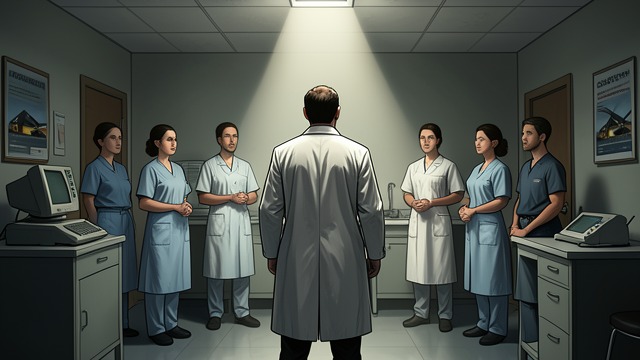
The Saint Barnabas Scapegoat
Cullen’s Account
Cullen told Adrianne that the hospital had blamed him for an insulin scandal because he opposed a nurses’ strike. He described himself as a principled employee targeted for doing the right thing.
A Story That Works
Adrianne had no access to the investigation’s full evidence, and his quick reemployment made his account seem plausible. The absence of a public warning allowed the scapegoat story to become a usable explanation.
Cullen’s narrative turned a credible safety concern into a personal injustice. The hospital’s silence did not merely conceal information; it gave his self-exculpating account room to flourish.
The Wronged Employee

The Wronged Employee
Repeated Grievance
At successive hospitals, Cullen treated criticism and dismissal as evidence that coworkers or administrators had misunderstood him. He wrote angry letters and imagined himself as the victim of unfair systems.
Responsibility Reframed
The language of workplace grievance helped him focus on how he was treated rather than on patient safety. Even when confronted with serious errors, he interpreted concern as persecution.
The pattern made accountability harder because every institutional response became another injury in Cullen’s personal narrative. His sense of being wronged could coexist with deliberate harm to people who had done him no wrong.
An Institutional Scapegoat

An Institutional Scapegoat
A Convenient Explanation
When Somerset’s investigation intensified, Cullen again portrayed himself as targeted and questioned why his employment history was being scrutinized. He attributed his dismissal to inaccurate dates and the hospital’s response to publicity.
Self-Protection and Blame
The hospital had its own incentives to limit liability and keep the inquiry controlled. Cullen’s victim narrative and institutional defensiveness could coexist, each shifting attention away from the patients and the full sequence of warnings.
The story complicates the idea of a single scapegoat. Cullen was responsible for his crimes, while institutions also made choices that concealed danger and delayed action.
Victims Refuse the Myth
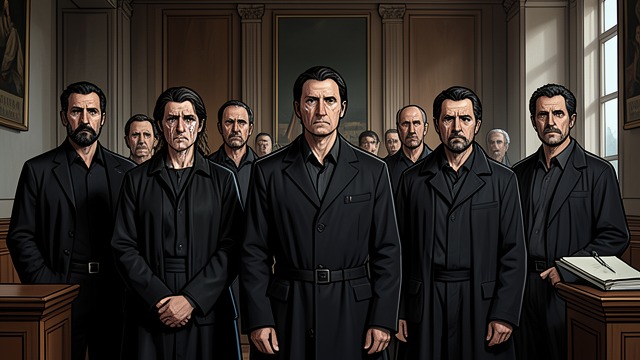
Victims Refuse the Myth
Families Speak
At sentencing, victims’ families challenged Cullen’s claims of compassion and his attempts to control the courtroom. Their testimony centered the lives damaged by his conduct rather than his account of personal suffering.
Accountability Beyond Narrative
The guilty pleas and life sentences established legal responsibility, though Cullen continued to describe himself in terms that avoided direct moral ownership. The families’ presence resisted the transformation of the killer into either martyr or misunderstood victim.
The conflict between self-story and public accountability remained unresolved. A person can have suffered and still be responsible for causing profound suffering to others.
1987
January 1992
1995 to 2002
July to October 2003
After 2003
