Adrianne Cullen
The Good Nurse: A True Story of Medicine, Madness, and MurderAdrianne Cullen is Charles Cullen’s wife and the mother of their children. Her story traces the widening distance between the attentive young man she believed she knew and the withdrawn, disturbing presence he became at home. As she tries to make sense of increasingly troubling signs, her concern shifts from the marriage to the safety of her children and, eventually, herself.
Identity and Early Relationship
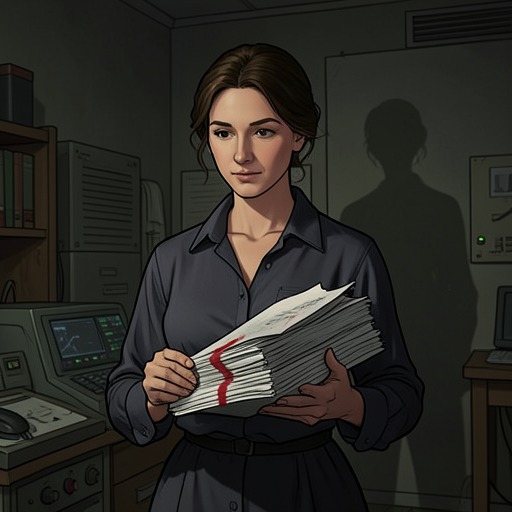
Adrianne was an ambitious recent college graduate with a business degree, student loans, and a job managing a Roy Rogers restaurant in West Orange. Charles Cullen worked cleanup there while attending nursing school and holding other jobs. When Adrianne was transferred away, he quit the restaurant but continued taking his lunch breaks there; when she returned a month later, he was waiting.
Their courtship moved at the pace Charles set. He pursued her with gifts, flowers, and candy, remembering small things she liked until she finally asked him to stop. Adrianne saw a contrast between his shy manner at work and the confidence he showed as a suitor. She presented him to her friends as a catch: he worked several jobs, was president of his nursing school class, and seemed as serious about his career as she was about hers. His frequent job changes did not initially undo that impression; she could explain them as a consequence of high standards and a demanding schedule.
Marriage and the House in Phillipsburg
In October 1987, Adrianne and Charles took out a mortgage on a small, dark, one-story house in Phillipsburg, Pennsylvania. The house needed paint, faced a large supporting wall on one side, and backed onto a weedy lot. Adrianne had moved into an entry-level computer-programming job, while the couple’s opposing work schedules left her increasingly isolated. She felt alone even when Charles was at home.
Charles had spoken openly about depression and alcoholism while they were dating. Adrianne took his frankness for evidence that he understood and controlled his problems; she saw him as experienced rather than damaged. She did not know he had started drinking again. In the Navy, he had drunk to intoxication, sometimes resorting to Listerine, and his drinking had brought him into contact with military medical and psychiatric care, Antabuse, and Alcoholics Anonymous. Adrianne had never seen him drink and understood his claim that he could not drink as a sign of conviction. In Phillipsburg, he kept alcohol in a Navy footlocker in the basement and locked the boiler-room door.
Withdrawal and Warning Signs
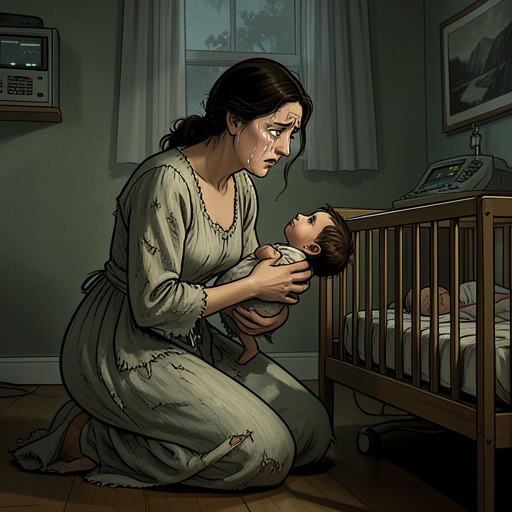
At home, Charles became emotionally absent, spending much of his time in the basement and performing only the most perfunctory parts of the relationship. Adrianne worried when she learned that he had left their infant daughter alone with the front door ajar. She also suspected that he might be giving their daughter cold medicine to keep her quiet, a suspicion he denied; their arguments about it ended without resolution. Adrianne was left with questions rather than reassurance.
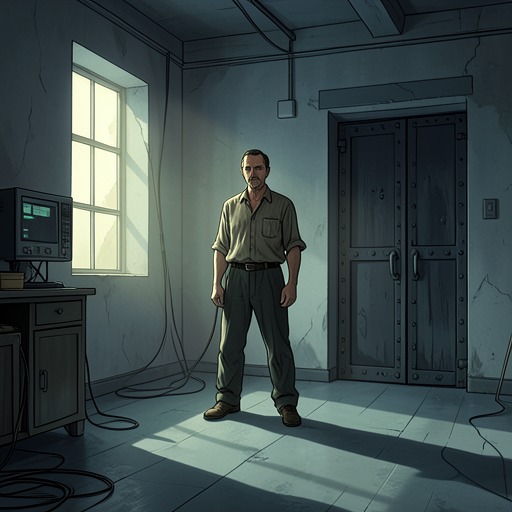
The basement became a place she was afraid to revisit. When she did go down, something in Charles’s eyes disturbed her: sometimes they seemed to drift in different directions, leaving her with the sense that the person she had married was not fully present. She tried to explain his detachment as the strain of work that placed him close to death, but she also began telling friends that something might be seriously wrong with him.
Queenie and the Photographs
A series of unsettling incidents brought her unease into sharper focus. Adrianne’s photographs of her daughter at day care showed the little girl with her friends; Charles had taken scissors to the prints and carefully cut out the boys, leaving their shapes empty. The images frightened Adrianne, though she tried not to dwell on them.
Then her neighbor arrived crying: Queenie, an elderly beagle who often wandered into the Cullens’ yard, had been found dead in the alley beside their house. The veterinarian said the dog had been poisoned. Adrianne did not know what to tell her neighbor. Instead, she thought of the cut-out figures in the photographs, the dead dog, and the neighbor’s grief. The evidence does not establish who poisoned Queenie, but the incident changed what Adrianne feared might happen to her children.
Decision to Leave
By November 1992, Adrianne had decided that she had had enough. She spoke privately with a lawyer because she feared that what had happened to Queenie could happen to her children. The decision became urgent when she faced gallbladder surgery scheduled at Warren Hospital, where Charles worked. She insisted on having paperwork declaring her intent to divorce and explaining her reasons before entering the hospital; she feared that something might happen to her there if Charles were working, though she could not bring herself to explain the fear fully to the lawyer.
Adrianne’s father accompanied her to surgery and waited while she recovered. She told him not to allow visitors, especially Charles. The divorce papers were delivered to Charles while he was working in the Warren Hospital ICU, and Adrianne’s father stayed with her at home afterward. Although Adrianne had acted out of fear and resolve, she later began to feel some of her old sympathy for Charles: he was suffering, and he was the father of her children. She recognized that their lives would be separate, while also questioning whether separation required further punishment.
Narrative Role
Adrianne’s arc is a movement from confidence in her knowledge of Charles to an uneasy recognition that intimacy has not made him legible to her. His candor about depression and alcohol initially reassures her; his secret drinking, withdrawal, and behavior at home erode that trust. She does not solve the mystery of his actions, and the account does not present her fears as proof that he harmed Queenie or their children. Instead, her importance lies in how she responds to uncertainty: she notices, worries, consults a lawyer, and insists on protecting herself before entering a hospital where he works.