Cardinal Health
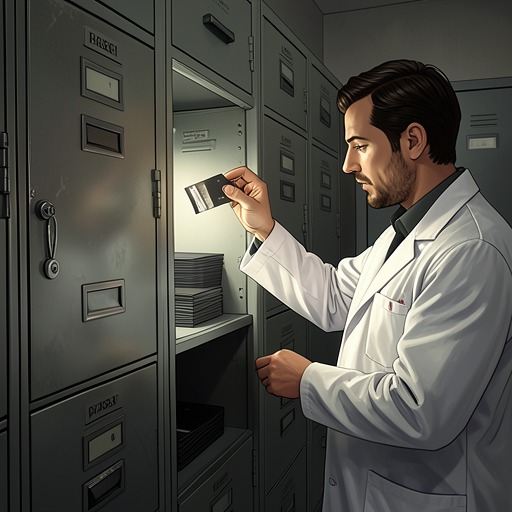
The Good Nurse: A True Story of Medicine, Madness, and MurderCardinal Health enters the investigation not through a hospital interview or a formal disclosure, but through a phone call that overturns the assumed limits of the evidence. As the manufacturer of the Pyxis automated medication dispensing system, it held the key to records detectives had been told were already gone: the system’s data extended back to when the machine left the factory floor.
Company and System
The book describes Cardinal Health as a Midwestern company that manufactured the Pyxis automated medication dispensing system. Its relevance to the investigation rests on that technical connection; the evidence does not detail its broader operations or its relationship with the hospitals beyond the system it made.
The Call That Changed the Investigation
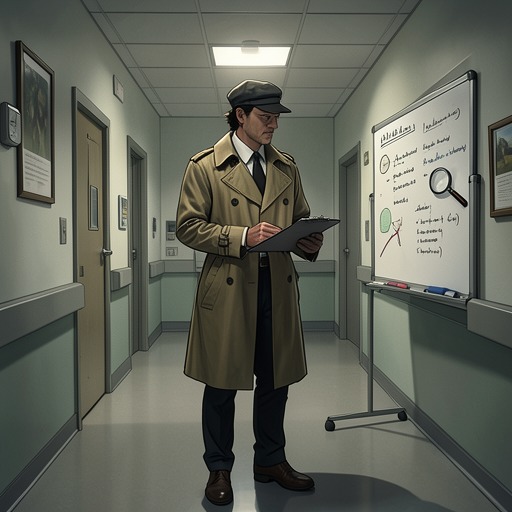
The Somerset County Prosecutor’s Office had been told that Pyxis kept drug-access data for only thirty days. Since Reverend Florian Gall had died months earlier, detectives believed the records that might connect Charles Cullen to the drug were no longer available. Tim Braun tested that assumption directly: he searched for Pyxis online, called Cardinal Health’s toll-free number, and identified himself to a sales representative as a detective sergeant investigating a homicide in Somerset, New Jersey.
Braun asked whether data from roughly six months earlier could be recovered, comparing the problem to restoring information from a damaged laptop. The representative initially seemed not to understand why recovery would be necessary. There was no thirty-day limit, he explained: Pyxis stored every piece of data entered into the system from the moment it left the factory floor. When he asked whether something was wrong with the machine, his response made plain that the supposed disappearance of the records was not a technical constraint at all.
Significance to the Case
The call transformed the status of the Pyxis records. What detectives had understood to be an expired trail was still on the system’s hard drive, preserving a possible record of Cullen’s access to medication. Cardinal Health did not itself establish what the data showed, but its representative’s information exposed the central investigative mistake: the records had not vanished simply because more than thirty days had passed. That correction gave investigators a route back to evidence they had believed unavailable.