Ethel Duryea murder investigation
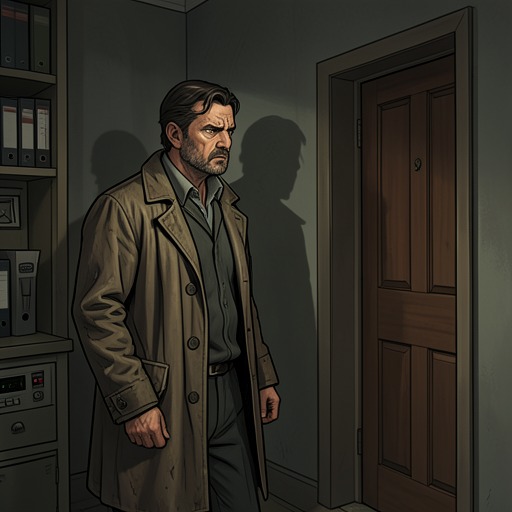
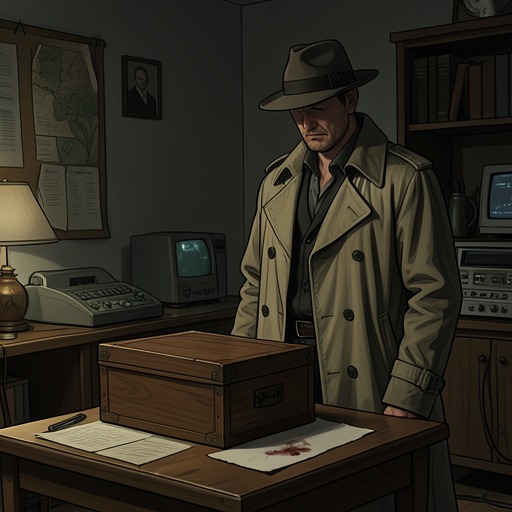
The Good Nurse: A True Story of Medicine, Madness, and MurderThe Ethel Duryea murder investigation begins with a killing that looks almost clue-free and ends as a lasting lesson in the limits imposed on Tim Braun’s work. By tracing a bullet to a gun and the gun to a lucrative insurance scheme, Braun uncovered a possible connection between Duryea’s death and the sale of confidential patient information. His superiors ordered him to stop pursuing it. The case remained officially cold, but not in Braun’s mind.
The killing and its first clues
Duryea was a respected fifty-year-old nurse who was shot on a sidewalk in an affluent suburb of Newark, New Jersey. A jogger found her body in the snow. Her purse lay untouched beside her, and the bullet was the only clue: there were no witnesses, leads, or identified suspects. The case was treated as a redball, perhaps in part because Duryea was white and middle-class and had a nephew in the State Police.
Braun received the assignment as a stone-cold whodunnit. The apparent absence of a motive or a trail concealed a more complicated crime: Duryea’s death was a street killing, but the investigation would lead Braun into the workings of hospitals, lawyers, and political influence rather than the familiar drug-and-gun pattern of many Newark cases.
From bullet to insurance scheme
It took Braun a year to connect the bullet to the gun that had fired it. Another six months passed before he connected the gun to a multimillion-dollar insurance scam. Someone in the emergency rooms of local hospitals was selling privileged patient information to lawyers specializing in slip-and-fall claims. Some of those lawyers had political influence in Newark.
As Braun followed that trail, Duryea’s murder began to look like a possible hit on a whistleblower. The book presents this as an emerging suspicion, not a solved account of who ordered or carried out the killing. The significance of Braun’s discovery was that the bullet no longer pointed only to a weapon: it opened onto a scheme whose participants had both financial interests and political connections.
Pressure and an unfinished case
Braun’s superiors told him to leave the investigation alone. When he ignored their warnings, they temporarily removed him from Homicide and assigned him to courthouse duty, which he called the rubber gun squad. He gradually understood the choice being imposed on him: let the cold case stay cold, or risk his pension by continuing to challenge people with power.
The investigation never produced a public resolution in the account. Neither Duryea’s family nor the press would know that Braun had found the gun that killed her. He had grown close to her family and was personally invested in finding her killer, but his investigative progress could not become an official answer. The case’s central reversal was therefore not a solved murder but the discovery of a trail that Braun was prevented from pursuing openly.
Braun’s departure and the case’s afterlife
Braun had thought of his work as helping put Duryea’s ghost to rest. Instead, he came to see his role as servicing a larger machinery of power: he could police the streets but could not safely press into that machinery. The unresolved case stayed with him as an unseen presence, figured in the narrative as Duryea’s ghost sitting on his conscience. A rash developed on his arm and spread into shingles across one side of his body. After ten years without taking a sick day, he began taking time off to think and pray with his wife and young son.
He left Newark for a homicide position in Somerset County, where the job offered better pay, less work, and less danger. He kept the Duryea cold case in a cardboard box in his closet and told himself that her ghost would understand. The case thus follows him into the supposedly slower phase of his career: when he is later called to investigate suspicious patient incidents at Somerset Medical Center, his earlier experience of institutional pressure and an obstructed inquiry forms a stark contrast with the new case’s medical and record-keeping barriers. The Duryea investigation does not solve the later incidents, but it establishes the personal cost of confronting a system that can restrict what an investigator is allowed to pursue.