
The Human Cost of the Kidney Donation
The Good Nurse: A True Story of Medicine, Madness, and MurderThis thread follows the competing emotional claims surrounding Cullen’s offer to donate a kidney to Ernie Peckham.
increasing Bearing strength in each event
 decreasing
Bearing strength in each eventdecreasingA Family Searches for a Donor
A Family Searches for a Donor
A Failing Body
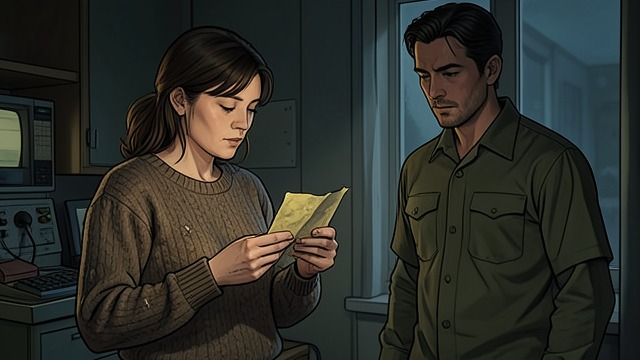
Ernie Peckham’s kidneys failed after an infection, and dialysis became a burdensome routine rather than a lasting solution. His family faced the possibility that the wait for a suitable donor could exceed the time he had.
An Appeal to Strangers
Ernie’s mother sent a newspaper clipping to Cullen in prison, asking whether he could help. The connection was indirect, through Cullen’s former partner, but the family was running out of options.
The request arrived as a plea from people confronting illness, not as an invitation to settle the moral meaning of Cullen’s crimes. Its urgency made the possibility of accepting his organ difficult to dismiss.
Cullen Offers His Kidney
Cullen Offers His Kidney
A Possible Gift
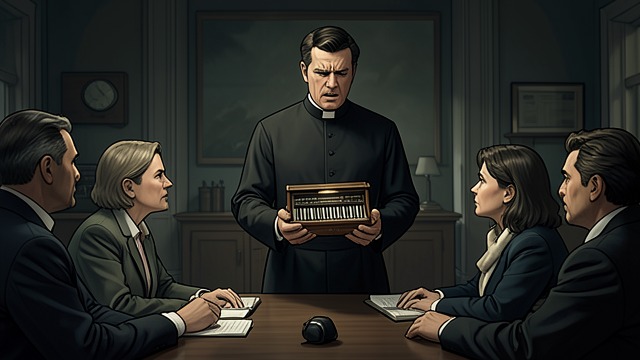
Cullen asked clergy whether an inmate could donate a kidney. He said he wanted to help because someone had asked and because the act was possible.
Motives Under Question
Kathleen Roney asked whether he sought publicity, payment, spiritual credit, or a chance to die during surgery. Cullen denied those motives, but the history of his crimes made every explanation difficult to verify.
His offer created a new relationship between a killer and a family whose loved one needed a transplant. The gift might help Ernie, but it could not be separated from the public meaning of Cullen’s body and reputation.
A Match and a Backlash
A Match and a Backlash
A Rare Result
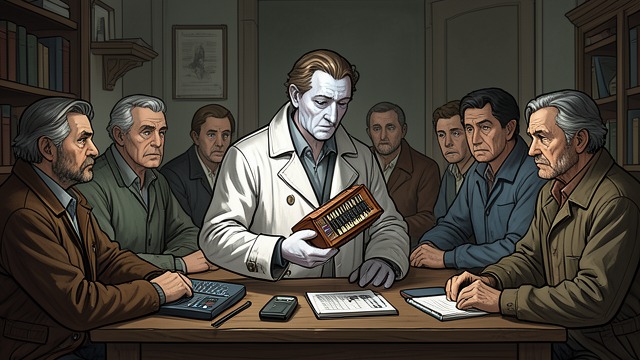
Cullen proved to be a perfect tissue match for Ernie, an outcome that appeared extraordinarily unlikely. The medical result made the donation more than a symbolic offer.
Families Object
Victims’ relatives questioned whether Cullen was manipulating the process or playing God. Ernie’s family also faced pressure and uncertainty as the proposal became public and emotionally charged.
The perfect match intensified rather than resolved the conflict. A practical medical possibility became a dispute about whether someone who had taken lives should be allowed to give an organ.
A Minister’s Burden
A Minister’s Burden
Roney Defends the Possibility
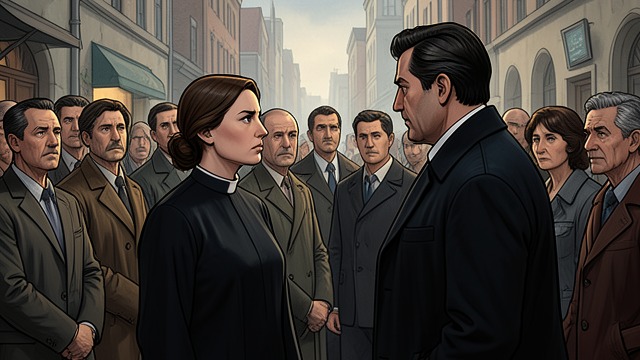
Kathleen Roney believed Cullen could perform one constructive act without erasing his responsibility for murder. Her work to arrange the donation brought accusations and hostility from people who viewed her as too close to him.
Compassion Becomes Contested
Some critics said that helping Cullen donate would dishonor victims or give him a path toward self-redemption. Roney saw the matter as an attempt to save Ernie, not to absolve the donor.
The dispute placed compassion under public pressure. Roney’s experience shows how care for one endangered person could be recast as betrayal of other families whose suffering remained unresolved.
A Life-Saving Operation
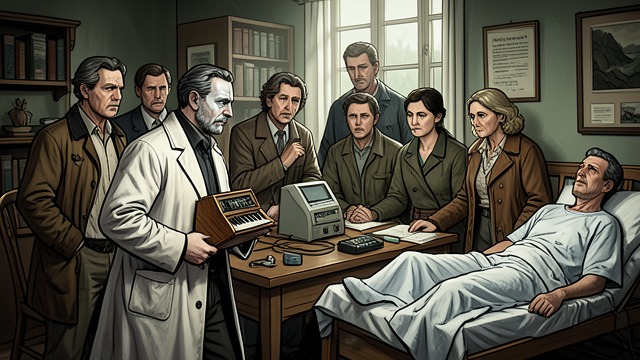
A Life-Saving Operation
The Transplant Takes Place
Cullen’s kidney was removed under guarded conditions and transported to Stony Brook Hospital. The operation proceeded without making the donor’s identity part of the recipient’s immediate experience.
Good Deed and Unsettled Meaning
The kidney began working in Ernie’s body, offering him a chance beyond dialysis. The transplant saved a life but did not settle whether Cullen’s act was compassionate, self-serving, or both.
The ending holds two truths without merging them: Cullen had committed terrible crimes, and his organ could still help another person. The families’ grief and the recipient’s need remained morally distinct.
2005
August 2005
Late 2005 to 2006
2005 to 2006
August 2006
