
Cullen Versus the Investigators
The Good Nurse: A True Story of Medicine, Madness, and MurderThis thread traces the escalating contest between Cullen’s evasiveness and investigators’ efforts to expose his methods without provoking another flight into nursing work.
increasing Bearing strength in each event
 decreasing
Bearing strength in each eventdecreasingThe First Interview
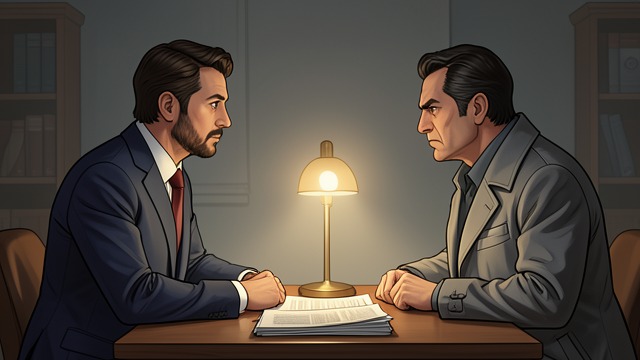
The First Interview
A Direct Accusation
Thomas Arnold confronted Cullen about suspected insulin tampering at Saint Barnabas Medical Center. Cullen refused to answer questions and replied that investigators could not prove anything.
A Clue Without Proof
Arnold and Joe Barry regarded Cullen’s response as defiant and suspicious, but they lacked the forensic connection needed to establish a crime. Cullen left the meeting without providing an explanation.
The encounter showed that suspicion alone would not make Cullen cooperate or stop. Investigators had to build the case through records and patient outcomes, while Cullen learned how much the institution knew.
The Pyxis Interview

The Pyxis Interview
Questions About Gall
Raymond J. Fleming questioned Cullen about Florian Gall, including the nurse’s familiarity with the patient and unusual canceled medication orders. Cullen knew that the computer preserved cancellations and answered that he was aware of the system.
A Warning to Adapt
The interview gave Cullen reason to recognize that investigators were scrutinizing his digoxin access. He later stopped ordering digoxin and shifted toward other drugs and methods.
The conversation did not produce an admission, but it changed the contest. Cullen could adjust to visible controls, while the hospital and investigators were still trying to understand how he had obtained and administered drugs.
The First Confrontation
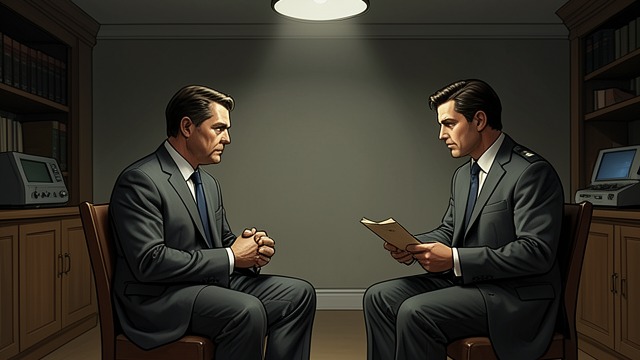
The First Confrontation
A Suspect Walks Away
Detectives brought Cullen in and presented the circumstantial evidence they had assembled. He offered excuses for the medication records but refused to discuss the deaths directly.
A Mistake in Tactics
The interview ended without confession, and Cullen understood that he was under serious scrutiny. Tim Braun later worried that the detectives had warned him without securing evidence strong enough to keep him in custody.
The confrontation intensified the stakes while narrowing the investigators’ options. Their next approach would need to reach Cullen through someone he trusted rather than through authority alone.
The Undercover Conversation
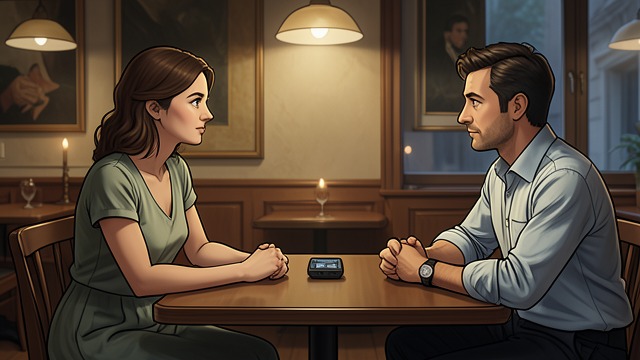
The Undercover Conversation
Amy Asks Directly
Amy met Cullen in a restaurant with a recording device, inviting him to talk about the suspicious deaths and their friendship. She tried to keep him engaged without making the meeting feel like an interrogation.
An Ambiguous Response
Cullen described earlier investigations and admitted that people suspected him, but he stopped short of a direct confession. At moments he seemed overwhelmed, speaking about the collapse of his life and the possibility of charges.
The meeting revealed emotional pressure without yielding a clean evidentiary statement. Amy’s relationship with him drew him into conversation, but the investigators still had to decide what his words meant.
The Arrest and Interrogation
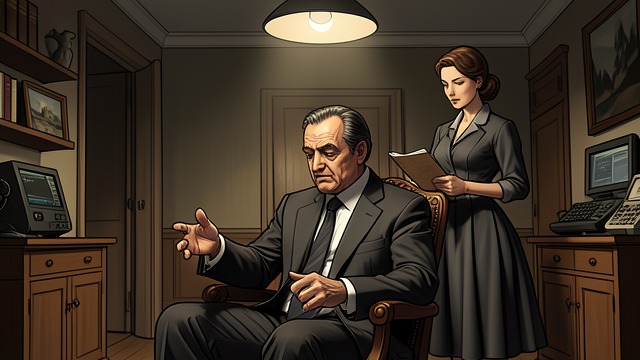
The Arrest and Interrogation
From Surveillance to Custody
After a further undercover meeting, police arrested Cullen and brought him to the prosecutor’s office. Investigators challenged him with their evidence and tried to make silence feel more costly than cooperation.
The Confession Opens
Cullen initially cried, rocked, and repeated that he could not speak. With Amy present, he eventually began recounting crimes, describing a long career of interventions and deaths.
The interrogation changed the case from circumstantial reconstruction to a substantial confession. It also exposed how difficult it remained to translate Cullen’s carefully framed story into a complete and reliable account of murder.
March 1991
July 14 2003
December 2003
December 2003
December 2003
