
Cullen’s Passage Through the Courts
The Good Nurse: A True Story of Medicine, Madness, and MurderThis thread follows the legal consequences of Cullen’s crimes, from investigations and arrest through guilty pleas and continued imprisonment.
increasing Bearing strength in each event
 decreasing
Bearing strength in each eventdecreasingEarlier Cases Go Uncharged
Earlier Cases Go Uncharged
Concerns Without Convictions
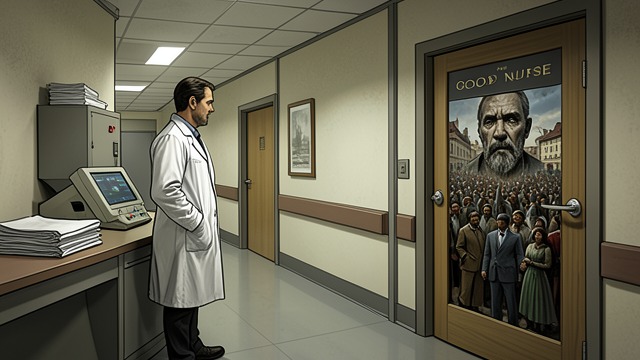
At several hospitals, staff and administrators confronted irregular drug use, suspicious deaths, or Cullen’s troubling conduct. Investigations often ended without a criminal charge because patient records were incomplete, deaths had plausible medical explanations, or evidence had been lost.
The Cost of Disconnection
Cullen repeatedly found work after leaving a hospital under a cloud. His employment history was scattered among institutions and staffing agencies, while licensing and reporting systems did not reliably assemble the warnings into one picture.
These earlier failures later shaped the prosecution’s challenge. The question was not simply whether Cullen had behaved suspiciously, but whether each suspected death could be proved beyond a reasonable doubt.
The Gall Exhumation
The Gall Exhumation
A Body as Evidence
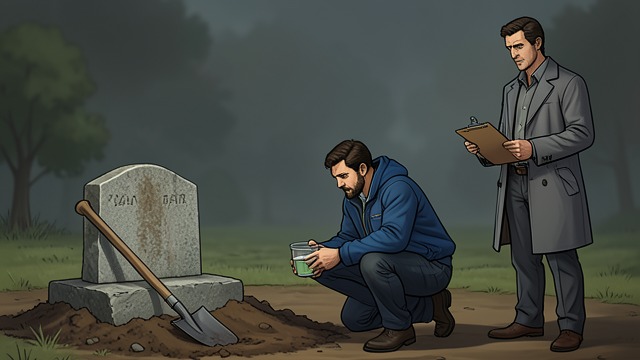
Detectives sought permission to examine Florian Gall’s remains after learning that his recorded digoxin levels were extraordinarily high. The body had been buried without an autopsy capable of resolving the suspicious laboratory result.
A Homicide Finding
At Holy Trinity Cemetery, investigators exhumed Gall and collected tissue and fluid samples. Toxicology later confirmed digoxin in concentrations consistent with poisoning, allowing the medical examiner to classify the death as homicide.
The result gave the investigation its first clear victim and weapon. It strengthened the case, but it did not by itself establish who had administered the drug.
The Failed First Interview
The Failed First Interview
A Risky Confrontation
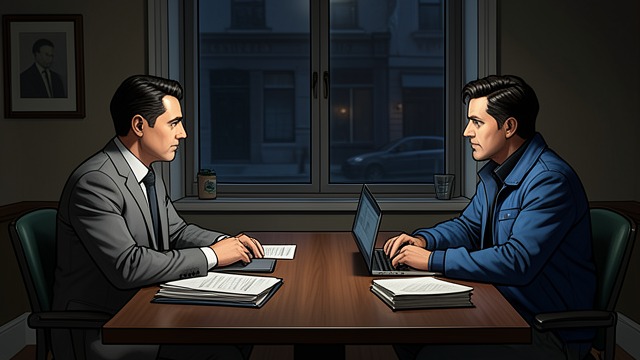
Tim Braun and Danny Baldwin questioned Cullen before they had a complete evidentiary case. They showed him patterns in the drug records and asked him to explain canceled orders and suspicious incidents at earlier hospitals.
Silence Instead of Admission
Cullen offered uncertain explanations, including that he might have pressed the wrong controls or been without his glasses. He did not confess, and detectives feared that they had alerted him to the investigation without gaining evidence.
The interview exposed the limits of pressure when the suspect understood that he could leave. Investigators needed a different route to a person Cullen trusted and might speak to candidly.
A Long Account
A Long Account
A Confession Through Story
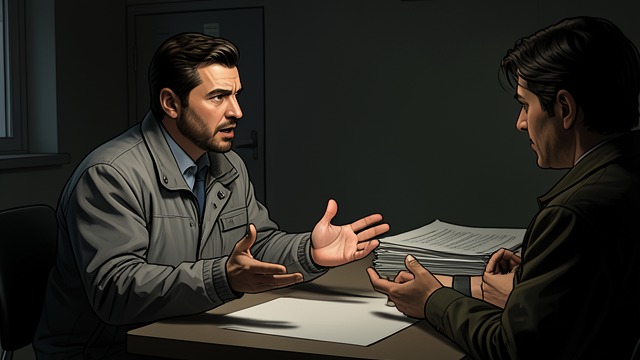
After his arrest, Cullen spoke with investigators for hours, recounting deaths and incidents across his nursing career. He described himself as compelled to intervene and used language that softened or avoided the direct word murder.
The Limits of Memory
His account identified many victims but was uneven: he skipped years, forgot names, and declined to guess when uncertain. Investigators had to compare his recollections against charts, schedules, toxicology, and surviving records.
The confession opened a path to prosecution while leaving the full death toll unresolved. It became both a major source of evidence and a reminder that the person responsible was not a complete or neutral historian of his own crimes.
Guilty Pleas and Life Terms
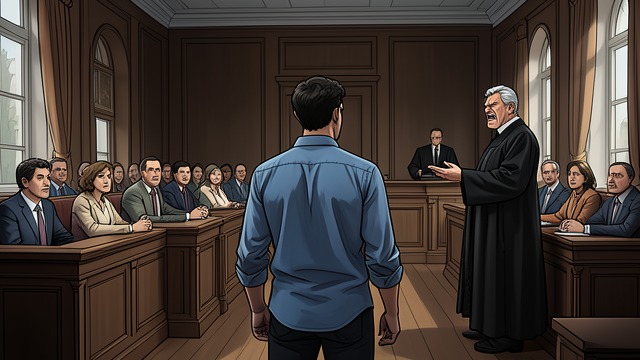
Guilty Pleas and Life Terms
A Deal to Avoid Execution
Cullen pleaded guilty in New Jersey to thirteen murders and two attempted murders. Prosecutors removed the death penalty from consideration in exchange for cooperation, enabling investigators to continue reviewing cases at hospitals where he had worked.
Sentencing and Aftermath
Further proceedings in Pennsylvania added life sentences. At a hearing in Allentown, Cullen disrupted the court as victims’ families tried to speak, intensifying their sense that his professed remorse did not match his conduct.
The sentences ensured that Cullen would remain imprisoned, but they could not provide a complete accounting of every death. For families, legal closure arrived alongside the knowledge that many cases would remain unproven.
1991 to 2002
October to November 2003
December 2003
December 2003
2004 to 2006
