
Visibility and the Voiceless
The Good Nurse: A True Story of Medicine, Madness, and MurderThis thread follows the struggle to make patients visible in a story dominated by records, institutional language, and Cullen’s own account.
increasing Bearing strength in each event
 decreasing
Bearing strength in each eventdecreasingPatients Become Numbers
Patients Become Numbers
Laboratory Signals
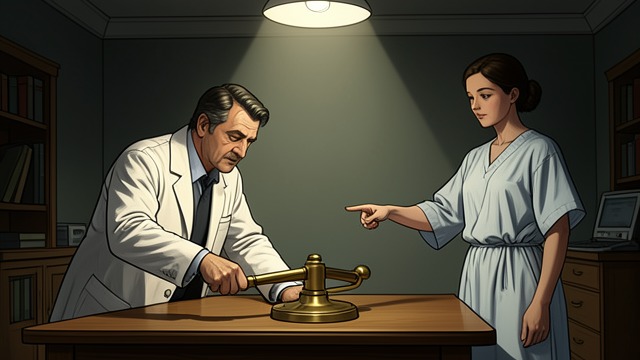
The investigation began with values for insulin, glucose, and digoxin, often described through technical charts and unexplained incidents. The numbers were essential, but they could make patients appear as entries in a medical puzzle.
A Person Behind Each Result
Each abnormal result belonged to someone with family, history, and expectations of recovery. Some patients survived; others died before their families understood what had happened.
The narrative repeatedly returns from data to individual lives. Its challenge is to use clinical evidence without letting clinical abstraction replace the people it represents.
A Patient’s Family Notices
A Patient’s Family Notices
Ordinary Observations
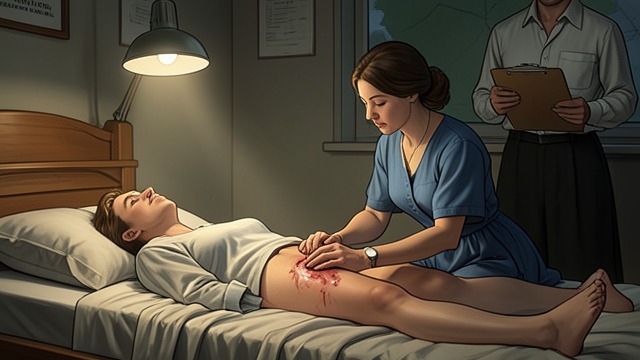
Larry Dean saw a puncture on his mother’s thigh. Kristina Toth noticed that her father’s condition changed strangely. Lucille Gall questioned her brother’s treatment and stayed at his bedside.
Knowledge Is Not Enough
Each relative had a reason to suspect something, but their observations needed medical records, toxicology, or institutional cooperation to become evidence. Some warnings were dismissed or delayed.
Family members were not passive witnesses to a medical system they could not understand. Their careful attention preserved details that formal processes might otherwise have lost.
Records as Substitute Witnesses
Records as Substitute Witnesses
The Dead Cannot Explain
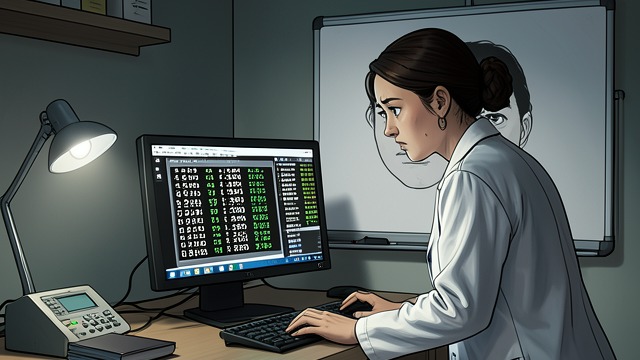
Many patients could not describe what had been administered to them, and those who died could not testify. Investigators depended on charts, medication logs, lab values, and the timing of codes.
Reading the Gaps
Records were powerful partly because they showed what was absent: drugs not prescribed, doses not charted, or actions that did not fit normal workflow. But incomplete files and overwritten assumptions limited what could be established.
The electronic record became a surrogate witness, precise in timestamps but silent about intent. Investigators needed people such as Amy to interpret what the digital traces could and could not mean.
The Confession Shapes Memory
The Confession Shapes Memory
A Story Told by Cullen
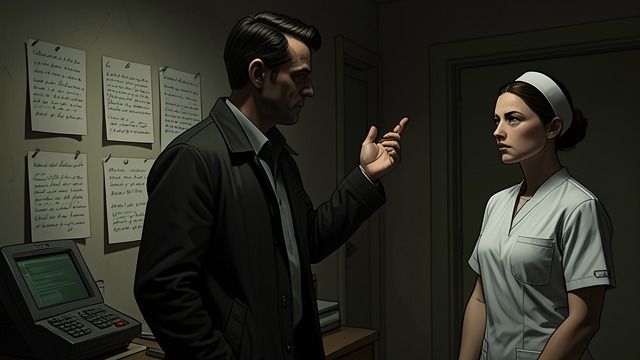
Cullen’s confession gave investigators names and incidents that they could not easily discover elsewhere. He spoke at length, choosing terms that cast his actions as interventions and patients’ deaths as outcomes.
The Narrator Is Not the Arbiter
The author’s note emphasizes that Cullen’s perspective is part of the account but not the final authority on the facts. Investigators had to test his memories against evidence and the testimony of families and colleagues.
The confession made some victims visible while leaving others unnamed. Its narrative power could not be allowed to substitute for independent verification or the voices of those harmed.
The Book’s Dedication
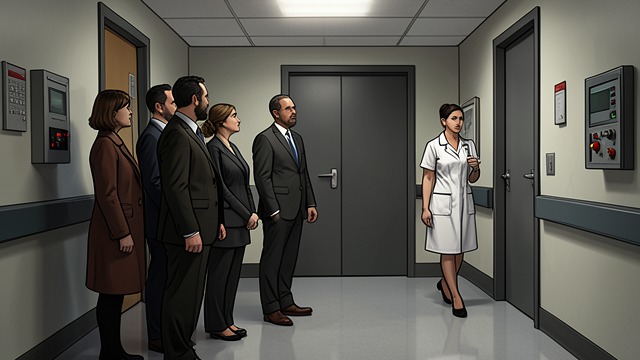
The Book’s Dedication
The Ultimate Witnesses
The book concludes by recognizing that the victims are the ultimate witnesses, even though many could not speak in court or explain what happened to them. Their absence is not permission to forget them.
Honoring Good Nurses
The dedication also honors nurses who spend their lives caring for others. It distinguishes Cullen’s betrayal from the everyday work of a profession built on trust and service.
The ending resists allowing the killer to own the story. Patients remain its moral center, and the book’s attention returns to the people whose lives were taken or altered.
At Somerset in 2003
1993 to 2003
October to November 2003
December 2003
Near the ending
