
The Deaths Behind the Numbers
The Good Nurse: A True Story of Medicine, Madness, and MurderThis thread reframes the investigation through patients and families whose ordinary hopes were interrupted by unexplained decline and delayed answers.
increasing Bearing strength in each event
 decreasing
Bearing strength in each eventdecreasingA Mother’s Sudden Crisis
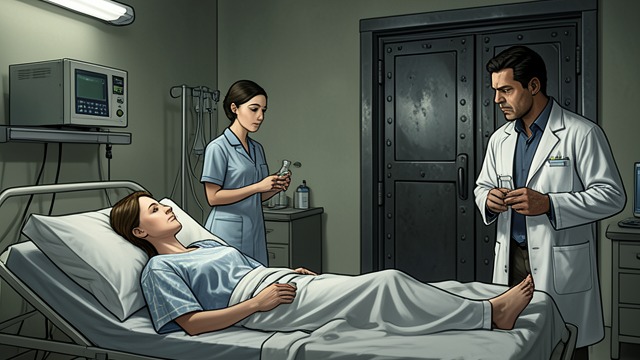
A Mother’s Sudden Crisis
A Strange Collapse
Anna Byers received heparin at Saint Barnabas Medical Center and soon developed severe symptoms associated with dangerously low blood sugar. The insulin in her system was not explained by her treatment plan.
Survival Without Explanation
Removing the contaminated infusion eased her symptoms, but the episode revealed that the problem could recur when treatment resumed. Another patient, Fred Belf, experienced a similar crisis, strengthening suspicion that the drug supply had been altered.
Their survival made the incidents visible, but it did not identify the person responsible. The cases became early evidence of a threat hidden inside ordinary hospital routines.
A Son’s Unanswered Questions
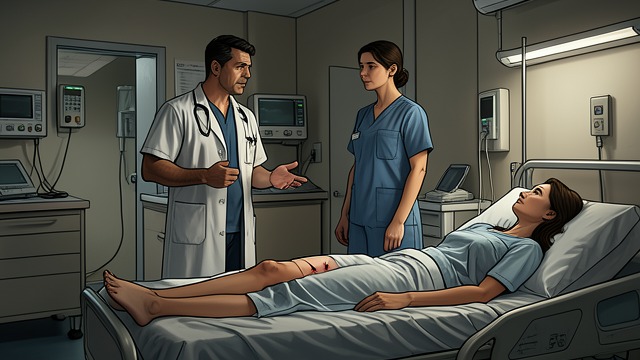
A Son’s Unanswered Questions
A Pinprick
Larry Dean saw a nurse enter his mother Helen Dean’s room and later heard her say that someone had stuck her. A small puncture on her thigh suggested that an injection had occurred, though staff initially proposed a harmless explanation.
A Death Ruled Natural
Helen became gravely ill and died. Larry pushed for an investigation, but tests did not identify digoxin, and the medical examiner ruled the death natural.
The official conclusion did not quiet the son’s conviction that something had happened. His efforts show how family testimony could be dismissed when medical evidence was not collected in a way that preserved the truth.
A Daughter Demands an Autopsy
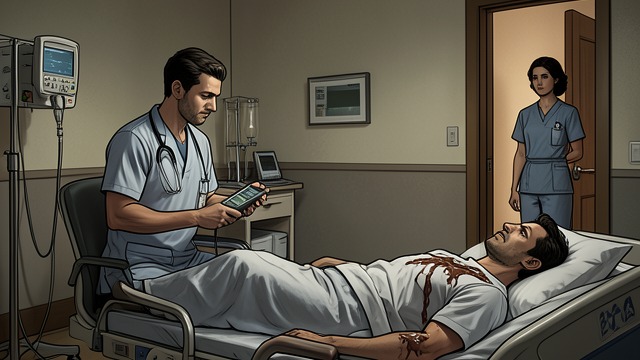
A Daughter Demands an Autopsy
A Father’s Decline
Kristina Toth watched Ottomar Schramm deteriorate after his transfer to Easton Hospital. His condition then improved, giving his family reason to hope, until a physician told her that unexplained tests showed digoxin in his blood.
A Final Question
After Schramm died, Cullen asked whether the family would seek an autopsy and argued that it would conflict with his father’s wishes. Kristina resisted the pressure and insisted that an autopsy was appropriate because the overdose needed explanation.
Her refusal to accept a convenient answer preserved a critical avenue of inquiry. The death was not immediately established as homicide, but the family’s suspicion survived for years.
A Sister Learns the Truth
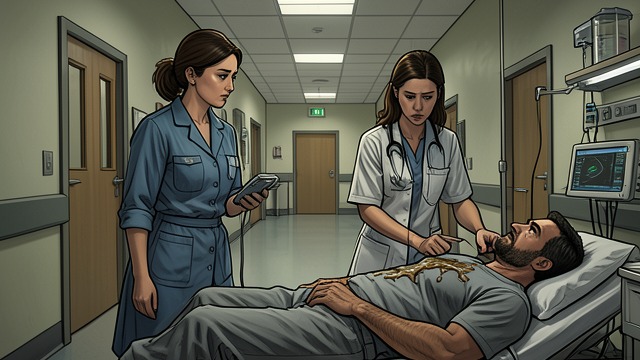
A Sister Learns the Truth
A Death Reconsidered
Lucille Gall had stayed close to her brother Florian during his treatment and believed he had begun to recover. When Danny Baldwin told her that the digoxin evidence pointed to homicide, she understood the medical meaning immediately.
Grief Becomes Cooperation
Lucille realized that the hospital had recorded her brother’s death as natural and had not alerted her to the abnormal drug levels. Her anger sharpened into a willingness to help investigators by supporting further examination of his remains.
Her professional knowledge turned devastating news into action. The family’s demand for answers helped make the victim’s story central to a case that institutions had initially treated as an internal problem.
Families in the Courtroom
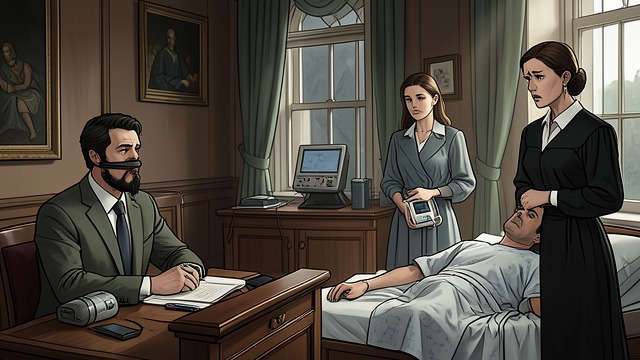
Families in the Courtroom
Testimony and Disruption
At a sentencing hearing, families came prepared to describe the consequences of Cullen’s crimes. Cullen repeatedly interrupted the proceedings, and officers gagged him as relatives tried to speak.
Grief Beyond Sentencing
The outburst deepened the families’ sense that the legal process could impose punishment without making Cullen acknowledge the personal damage he had caused. A victim’s friend publicly questioned his claims of compassion.
The courtroom became a collision between public punishment and private grief. The families had obtained legal recognition of the crimes, but no sentence could restore the people they had lost.
February 1991
September 1993
December 1998
October 2003
March 2006
